
 BTC
BTC
 ETH
ETH
 LTC
LTC
 BCH
BCH
 DOGE
DOGE
 USDT
USDT
 DASH
DASH
 XRP
XRP
 USDC
USDC
 XMR
XMR
 BNB
BNB
 TRX
TRX
 SHIB
SHIB
 DAI
DAI
 ZEC
ZEC
 SOL
SOL
 ETC
ETC
 POL
POL
 XLM
XLM
 ADA
ADA
Initial Coin Offerings (ICOs) are a newer way to raise startup capital in the world of cryptocurrency and blockchain. The main factor behind the success and security of ICOs is smart contracts. These self-executing contracts written directly into code are changing the face of digital fundraising by automating processes, increasing transparency, and providing additional security for investors.
For anyone looking at the best crypto to invest in today, check out Best Cryptocurrency to Invest Today.
Introduction to Smart Contracts
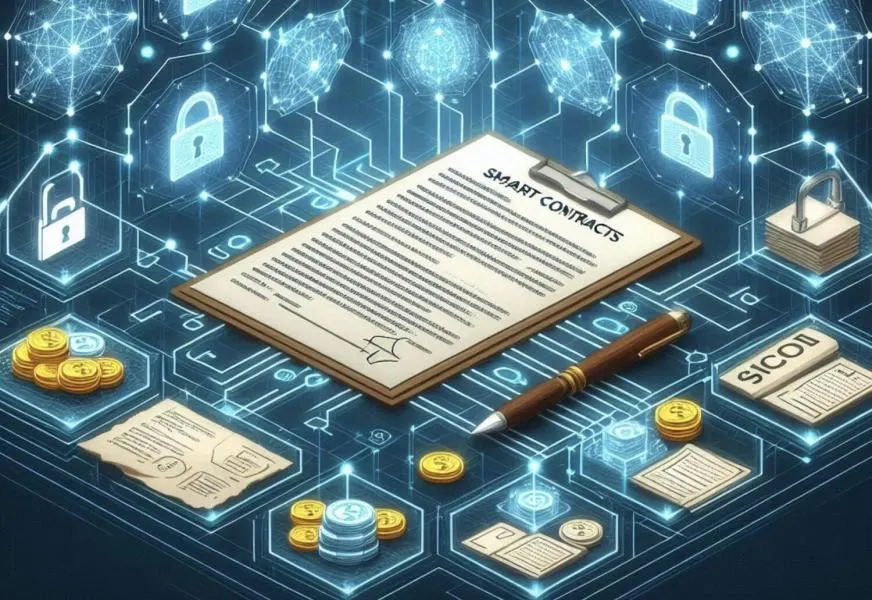
A smart contract is a computer protocol designed to digitally expedite, authenticate, or enforce contract negotiations or execution. They are built on top of blockchain networks (usually Ethereum) and will perform a specific set of functions when certain parameters have been satisfied. This automation eliminates the need for go-betweens, reducing costs and promoting efficiency.
How Smart Contracts Work in ICOs
Smart contracts play a vital in the world of ICOs. It automates the token issuance, manages funds distribution and enforces rules & regulations. When an investor sends a cryptocurrency to smart contract address of ICO, this process is validated with the smart contact and crypto tokens are automatically distributed to wallet addresses contributed by investors.
The transactions are also recorded in such a manner that no one can make or change them and all involved parties will be able to determine the terms of contract as well as their fulfilment. This transparency helps in the trust of investors as they know that their funds are being used.
See How to Create a Crypto Wallet for more details on how to make a crypto wallet and store your cryptocurrency.
Enhancing Transparency
The mere fact that smart contracts increase transparency in ICOs is a big plus. Traditional fundraising is most of the time an obscured process where investors do not have full visibility on how their funds are spent. But smart contracts run on a public blockchain, so all transactions and data are written in stone for anyone to see. This transparency minimizes fraud and ensures that project developers do what they promise to do.
Additionally, smart contracts may also implement the distribution of funds only upon certain milestones being met - which is even more transparent. In this case, a smart contract will allow some of the funds collected to be paid out only if certain stages are reached during the development of the project. This is in order to keep the project team focussed on delivering against their roadmap, and investors can see some tangible progress before committing further funds.
Improving Security
Security is another critical area where smart contracts excel. Because they are deployed on a blockchain, smart contracts benefit from the inherent security features of the technology, such as cryptographic encryption and decentralized validation. This makes them highly resistant to tampering and fraud.
At the same time, smart contracts decrease human error. Traditional contracts are processed manually, risking being prone to human error and fraud. By contrast, potentially error-prone humans must execute traditional contracts.
Yet, that is not to say smart contracts are infallible. Bugs or security vulnerabilities can be introduced in the code if not audited well, which then becomes vulnerable to possible attacks by malicious actors. Hence, a very detailed code audit and security test must be carried out before you deploy any smart contract in an ICO.
Automating Processes
Smart contracts automate many processes of ICOs. They can take care of a number of things autonomously such as automatically distributing tokens to investors on exchanges, manage voting processes within the project itself and even performing complex governance mechanisms without any human intervention.
The advantage of this automation is that it saves time and to makes sure also low in cost, all the transaction of business happens as planned. Without the involvement of intermediaries, smart contracts make processes much faster and cheaper than before - this is especially useful in a fast-growing sector such as cryptocurrency.
Challenges and Limitations
Smart contracts provide a lot of benefits, they also have some challenges and limits. A big question mark is the legal and regulatory status around which they are used. These funds should be protected from seizure in all ICO-friendly jurisdictions, which is further exacerbated by the complicated mess of regulatory traps with smart contracts and other kinds of crypto-related businesses.
Smart contracts are based on code, and bad code can result in smart contract vulnerabilities that have led to massive hacks/expliots as we've seen before. As such, it is essential for ICO projects to invest on experienced developers and thorough code audits.
The other one is the temptation to scam in ICOs. Smart contracts add to the security, trust and transparency but will not prevent a scammer from creating their projects. This pixelation game system which provides capital solutions, only work as a reminder needs in-depth verification and research to do by every investor all around the globe who is about to participate in any ICO.
Future Outlook
The future of smart contracts in ICOs looks promising. As the technology matures, we can expect to see improved security features, more user-friendly interfaces, and greater regulatory clarity. Furthermore, the recent emergence of new blockchain initiatives and ecosystems (e.g. Polkadot or Cardano) may provide even more powerful features for smart contracts which could accelerate their adoption in ICOs.
They are also expected to have a significant impact within the wider framework of asset tokenization, offering new ways for fundraising and investing through smart contracts. One type of more regulated and secure alternative phenomenon amongst them is STOs (Security Token Offerings) which involve tokenized securities produced like the matching opposite to traditional ICOs.
Conclusion
Smart contracts are changing the game of how ICOs should function by executing tasks, adding transparency and ensuring security. They bring their own challenges but these provide benefits that are an important tool for project developers and investors alike. With the technology evolving, smart contracts are only going to be more important in the future of digital fundraising.
