
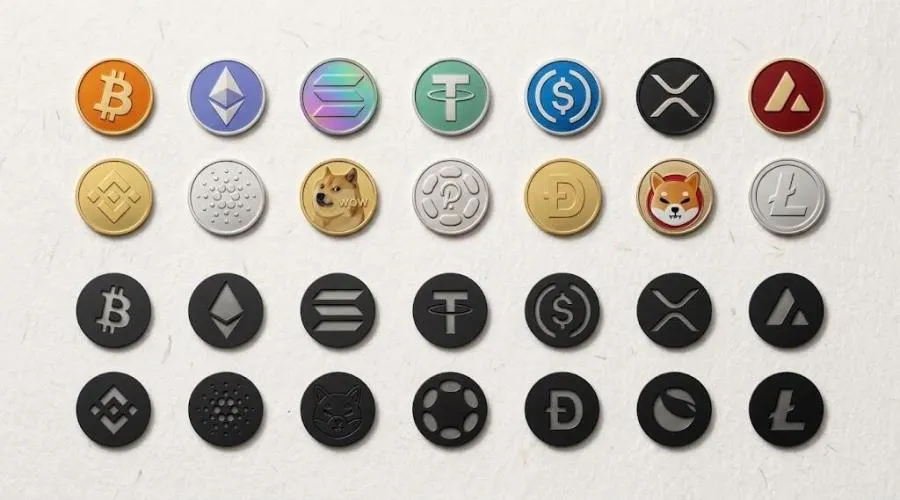
 BTC
BTC
 ETH
ETH
 LTC
LTC
 BCH
BCH
 DOGE
DOGE
 USDT
USDT
 DASH
DASH
 XRP
XRP
 USDC
USDC
 XMR
XMR
 TRX
TRX
 BNB
BNB
 SHIB
SHIB
 DAI
DAI
 ZEC
ZEC
 SOL
SOL
 ETC
ETC
 POL
POL
 XLM
XLM
 ADA
ADA

The average person thinks of Bitcoin as digital gold, which you store away in a vault somewhere and gaze upon once a year. However, if you’re keeping your eyes on the developments within the technology scene in New Zealand, you’ll see that things have changed.
The focus is no longer on the “Is it going to crash?” question but rather on the “How do I use it?” question. For years, cryptocurrencies were something that seemed to solve problems that didn’t exist in New Zealand.
Finding Who Actually Takes Crypto: Why Directories Matter
The real game-changer for the crypto community hasn’t been the volatility – we’ve all had plenty of practice riding that emotional roller coaster. No, the real difficulty has always been the “plumbing.” What good is a cryptocurrency if you need a twenty-minute session with a computer scientist to make a transaction?
We’ve all heard too many stories of businesses trying to cut corners by plastering “Crypto Accepted” stickers across their websites, but not bothering to integrate any functional payment gateways. That’s why places like Cryptwerk have been so crucial for the movement – they sift through the clutter and point you in the right direction.
If there is any delay in the transaction process or the gas price is higher than the value of the goods sold, then the trust goes out the window. The word of mouth moves very quickly in a smaller country such as New Zealand. Failure of the vendor to complete a payment can be more costly than losing the sale. For regular consumers, knowing a legit vendor will mean the difference between smooth transactions and dead ends.
High-Stakes Tech and the Need for Transparency
If you want to find out where blockchain technology is being put to the test, then you need to turn your attention to the iGaming industry. When other industries are struggling to figure out how to use QR codes, the online gambling industry has long been implementing instant payments and provably fair algorithms.
In fact, it is the only place where cryptocurrency is not just another payment method, but a real part of the user experience. Nevertheless, given the high stakes, you should never go into it without preparation. That is where a brand such as CasinosAnalyzer can help you; it does all the hard work of exploring such websites for you.
The reality is that not every platform is built equally. Let’s take Spinbet as an example. If you look at the Spinbet user reviews, you’ll see exactly where the marketing ends and the reality begins. This is why we realise that the only currency worth anything here is transparency.
The Roadmap for NZ Crypto-usability and Consumer Trust
Kiwis are becoming way more protective of their digital footprint: the data backs it up. As we see from the Office of the Privacy Commissioner's 2026 survey, 82% of New Zealanders now want more say in how their personal information is collected and used.
This is not a matter of personal preference; it is about the need for the freedom most people desire. This is about enjoying the fast and decentralised nature of blockchain technology without the costs associated with financial monitoring systems. It makes sense, just like when you do not purchase a used car without researching its history, you should not use a digital application without knowing what kind of track record it has.
- Mobile-first wallets: Crypto being limited to desktop-only usage is ancient.
- Layer 2 technology: The solution to “a $10 fee for a $5 transaction”. This technology means that crypto can now be used for micro-transactions, such as a digital gift card purchase.
- Local regulatory assurance: The understanding that IRD won't show up to collect taxes in the middle of nowhere. With the increasing clarity of the laws, more companies will be able to offer cryptocurrency services.
Tracking the Reliability of Digital Platforms
As far as evaluating the directory list or the merchant categories, there are certain qualities we look for. This goes beyond the superficial appearance; it’s what happens when something breaks down and the communication that takes place within the network itself. A fancy user interface might be easy to create, but not a reliable backend.
- First, provably fair technology. Say goodbye to the phrase “believe us because we got the maths right.” You can check the hash value of the outcome by yourself to be certain of its authenticity.
- Instant transactions are a must. In case you make payments for services in the early hours of Saturday, you expect instant access to the service, not a response the next day after the transaction is cleared by a bank.
- Checking reviews is essential. Instead of believing the advertising, base your trust on reviews of real users who can speak from personal experience.
- Chat support response time is another important thing. In case of any problems with the transaction, the human response to your concerns should take place instantly.
Breaking Down the “Why” for the Average Kiwi
In case you are asking yourself why one would choose this alternative over a Visa card, then it all boils down to control. With a traditional system of banking, the bank can hold onto your funds, freeze your account, prevent transactions, or impose “convenience fees” simply because you want to have access to your own money.
In the world of cryptocurrencies, you become the bank. Although that increases your responsibilities, it also provides a good degree of liberty. When you use the services of a partner website, browse casino review sites for a reputable casino, or explore a new resource via a directory, you interact with a system. It relies on logic and maths rather than the regulations of banks or their operating hours.
The Road to Decentralisation
Well, we’re not there yet with the use of Dogecoin to pay Auckland Council rates, and we may never get there. And that’s okay because our aim is not to compete with the NZD but rather to present a viable alternative to people who believe in efficiency and anonymity. With more New Zealanders using such technology, the need for quality data increases.
The transition that we are observing at present involves the move from speculation to utility. There have been practical implementations in sectors such as logistics, digital identity, and entertainment. The principle remains constant – cutting down the middleman and speeding up trust.
Final Verdict: Is the Transition Working?
The most important point of all is that cryptocurrency has grown up and become a practical tool, which is really the best thing that could have happened to it. While the wild west era was exciting for speculative purposes and the press, it was a horror for those who actually wanted to use cryptocurrencies practically.
Platforms that offer minimal hurdles and maximum transparency will prevail. If companies force me to go through too many hassles, they lose me as a client; but if they do everything as smoothly as swiping a card, I am their customer for life. Technology has now reached the level of its promise, and for New Zealand’s digital economy, there are plenty of challenges ahead.
