
 BTC
BTC
 ETH
ETH
 LTC
LTC
 BCH
BCH
 DOGE
DOGE
 USDT
USDT
 DASH
DASH
 XRP
XRP
 USDC
USDC
 XMR
XMR
 BNB
BNB
 TRX
TRX
 SHIB
SHIB
 DAI
DAI
 ZEC
ZEC
 SOL
SOL
 ETC
ETC
 POL
POL
 XLM
XLM
 ADA
ADA

In the recent past, digital technologies had a huge influence on the finance industry. Digital advertising in particular has come to be accepted as a necessary part of the promotion of Forex and crypto trading platforms, both with regards to customer acquisition and retention.
Traditionally, finance brands had to rely on traditional advertising channels such as print, radio, and television to attract customers. The internet and social media have further come to be new and highly targeted channels for promoting financial services. These are already based on platforms like Google, Facebook, and Instagram, which are capable of being specially focused ads to the ideal customer demographics directly.
In addition, customer data and analytics on ad performance make digital the predominant form of marketing spend for finance. There is a much higher return on the ad spend if trading platforms optimize based on metrics like click-through rates and cost per acquisition.
The Unique Appeal of Digital for Trading Platforms
Digital advertising possesses certain qualities that make it extremely well-suited for forex advertising with cryptocurrency, specifically. These include:
- Hyper-Targeting. Sophisticated targeting capabilities in digital allow trading platforms to zero in on audiences that are most likely to fund an account and actively trade. Key targeting factors include interests, behaviors, demographics, intent signals, and more.
- Flexibility. Among other things, real-time digital ads can be adjusted based on performance and other variables. Developers typically halt the work of less effective ads and concentrate on converting ads well.
- Scalability. Digital channels make it easy to scale advertising up or down as needed. Trading platforms advertise aggressively during peak volatility to capitalize on interest.
- Global Reach. Online advertising provides an effective way for trading platforms to get their message across the world without barriers.
- Performance Tracking. Detailed analytics show trading platforms whose ads produce the highest quality customers, allowing them to optimize accordingly.

How Forex & Crypto Platforms Leverage Digital Today
Trading platforms are leveraging a diverse array of digital advertising channels to attract new customers including:
Search Engine Marketing
Google and Bing search ads also enable platforms to reach people searching for terms such as “forex-trading” or “bitcoin investing”. However, the platforms advertise all the time during breaking news or events that have piqued investors’ interest.
Social Media Marketing
Social platforms like Facebook, Instagram, and Twitter offer unparalleled targeting capabilities. Trading platforms can segment audiences by various attributes and serve ads to those most likely to open funded accounts.
Native Advertising
Native ads match the design, style and function of the media format they appear on. Trading platforms use native ads on financial websites and apps to blend seamlessly into the user experience.
Display Advertising
Display ads on websites and apps provide a major channel for customer acquisition. Trading platforms target financial sites as well as broader portals based on their audience demographics.
Video Advertising
Short video ads on YouTube, social platforms and CTV allow trading firms to demonstrate their platforms and value proposition quickly to potential customers.
Influencer Marketing
Influencers with financial followings provide trading platforms with brand visibility and credibility. Sponsorships and affiliate partnerships amplify brand reach.
The Growing Impact of Digital Advertising
With overall ad expenditure predicted to reach $488.4 billion in 2024, a 15.4% year-over-year increase, digital advertising is forecast to keep its steady expansion. Digital advertising investment from forex and crypto trading platforms has increased exponentially in recent years. The crypto bear market has prompted cutbacks, but investment remains well above previous years.
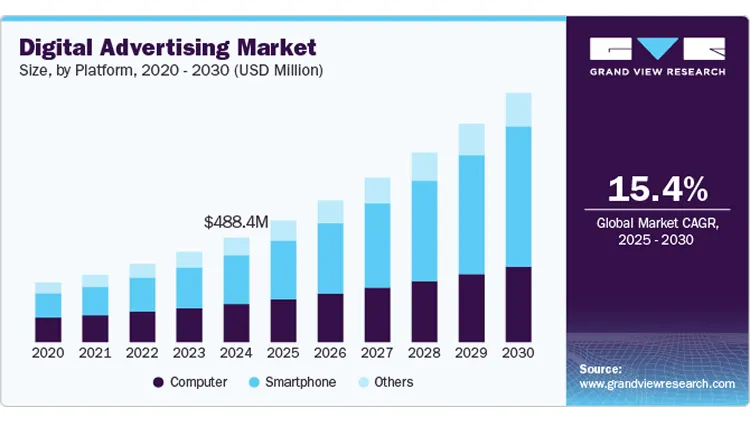
This growth directly correlates with rising retail participation and trading volumes in both markets. 2020 saw massive influxes of new forex and crypto traders, largely attributable to digital advertising efforts.
In addition, CTAs have gone mainstream on financial social media channels and websites. Special offers are incentivized by these ‘calls to action’ to prospective customers.
Digital is predicted to continue to take a share of forex and crypto ad spend. When targeting and messaging of trading brands are optimized by platforms, digital channels will solidify themselves as the leading channel for customer acquisition.
The Impact on Broker Profitability
For trading platforms, increased digital advertising investment has had a marked impact on profitability in recent years. The highly measurable nature of digital channels allows firms to accurately track the returns generated from ad spending. Trading platforms have shifted budgets away from channels producing inconsistent returns.
Digital has also strengthened overall business models for brokers. Lower customer acquisition costs mean platforms can offer tighter spreads and better pricing for clients. Increased trader sign-ups also improve liquidity across the market.
Optimizing Ad Content for the Trading Audience
To maximize returns from digital ad investment, forex, and crypto brokers carefully tailor messaging and content to align with customer interests.
For instance, data reveals that audiences always engage with ads that promise lucrative profit potential in the markets. Messages that are aspirational towards achieving financial freedom also succeed.
But platforms will have to finesse to sound neither misleading nor scammy to possible customers. Throughout the world, regulators are also keeping an eye out for questionable claims in trading advertisements.
Successful trading platforms use ads to accentuate their competitive differentiators like pricing, platform features, customer service, or security. For example, crypto exchange Coinbase emphasizes its institutional-grade custodial services compared to rivals.
No matter the exact approach, building trust and credibility should be the core focus when crafting ad content for new potential traders.
The Role of Digital in Trader Education
Beyond pure customer acquisition, digital advertising also provides forex and crypto brokers an effective channel for educating prospective traders.
Accurate risks and complexities of trading are really important forlong-termm customer success and retention. If the expectations of marketed platforms aren’t met by reality, customers are quick to abandon them.
As a result, many brands are shifting budgets into educational content marketing across digital channels:
- Beginner’s guides on opening a trading account
- Explanatory videos on technical/fundamental analysis
- Webinars overviewing order types or risk management
This content provides potential traders with a transparent window into the trading experience before signing up.
Additionally, blogs, eBooks, and toolkits distributed via digital ads build alignment between customer needs and platform offerings. By nurturing leads rather than hard-selling, trading brands see higher conversion rates.
Looking Ahead: The Future of Digital Advertising in Finance
As digital engagement continues rising across all demographics, experts anticipate online channels will capture even greater portions of marketing budgets in finance - potentially up to 58% by 2025.
To streamline ad operations, more forex and crypto platforms will shift spending to consolidated channels like Google Ads or the Meta Advertising Network rather than relying on fragmented point solutions.
Data and attribution modeling will also be used by trading platforms to optimize ad performance based on these metrics as well as registrations, deposits in the company coffers, executing trades, and the total value created by a user while the account was open.
Moreover, AI and machine learning are also incorporated, which can serve hyper-customized advertising at a huge level. AI will power dynamic creative optimization that platforms using it can use to send real-time messages that will maximize engagement.
Lastly, digital ads will be integrated into the ‘omnichannel’ holistic experiences as there will be seamless changes between online and offline touchpoints for trading customers. Platform harmonization should improve the customer experience and journey for the platforms overall.
Conclusion
The forex and crypto trading business is evolving very fast, and digital advertising is quickly becoming the most vital channel to acquire and present information to customers.
Digital ad investment has been a huge winner due to increased investment because the targeted and performance accountability capabilities of trading platforms have helped them to reap terrific returns.
Looking ahead, more value can be unlocked with improving technologies and closer relationships between the channel and corporate, solidifying the future role of digital as the business growth engine for forex, crypto, and other financial trading.
