
 BTC
BTC
 ETH
ETH
 LTC
LTC
 BCH
BCH
 DOGE
DOGE
 USDT
USDT
 DASH
DASH
 USDC
USDC
 XRP
XRP
 XMR
XMR
 TRX
TRX
 BNB
BNB
 SHIB
SHIB
 SOL
SOL
 DAI
DAI
 ZEC
ZEC
 ETC
ETC
 POL
POL
 ADA
ADA
 XLM
XLM
Picture the possibility of gaining exposure to 100 grand, just from locking in a few-thousand-dollar margin. This is not just a possibility; it’s being offered by countless platforms. It’s called leveraged trading. There are all kinds of assets and commodities you can trade, whether it’s ForEx, crypto, oil, stocks,, and shares in enlarged quantities. The main thing is that you’re an astute, savvy trader. You can trade 5, 10, sometimes 30 times the margin you actually provide.
On Evedex.com, you gain access to leverage, but delivering as a trader is a must. The greater the leverage, the thinner the margin for error. If the holdings you control go too far into the red, suddenly the system automatically shuts down your position, and whatever was lost comes out of your deposit, plus the fees. The platform has to protect its own interests in the meantime. So trade wisely.
As long as you do your homework and learn to avoid just the headline leverage and fees but also reading into the surcharges, you can find your way through the ocean of hype and find yourself a platform that pays the best. Meanwhile, regulated platforms have systems in place to help users assert their rights.
How You Can Trade with More Than You Have
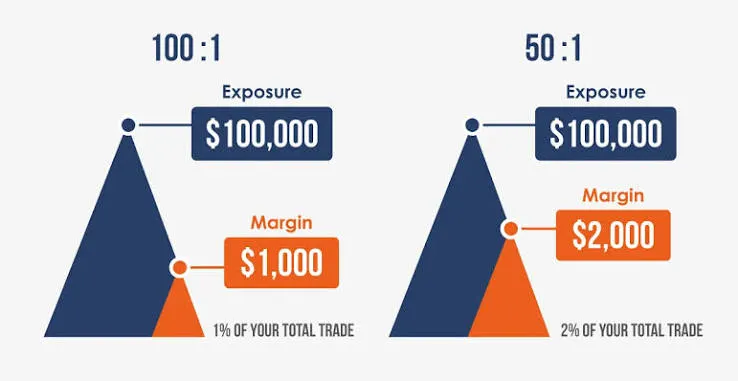
At first blush, leverage appears like the trading platform is just handing you money to play with, with no strings attached. Not so fast.There is a detailed agreement you have to agree to with very specific conditions that protect the platform. Greater leverage also ushers in additional risk. Keep in mind, IG brokerage reports that 70% of traders actually lose their money.
The amount you put up in capital as a trader is called the margin. The platform, on its part, extends leverage to allow you to open a drastically larger position. Each product is different, but the gist of it is you put up collateral and open up the doors to far greater profits – or losses.
How It Works
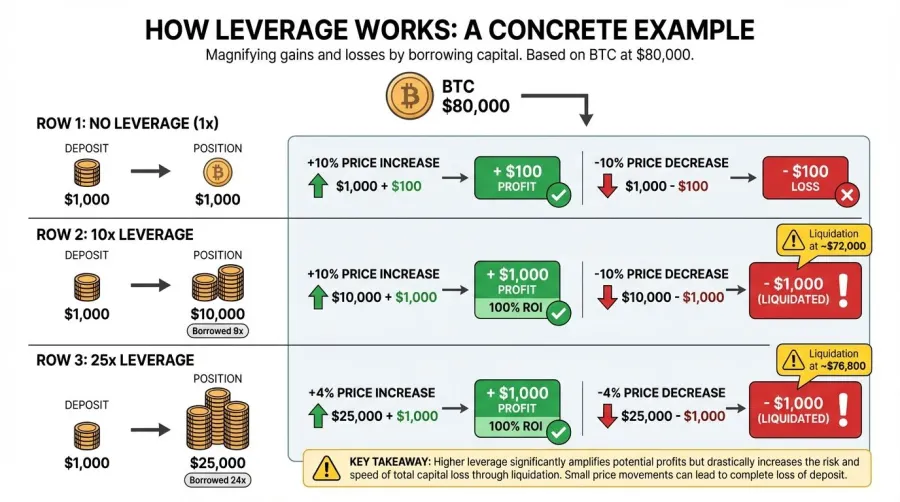
Take the typical random guy that signs up on one of these resources with one grand. Call him Joe. He opts for 10x leverage. The trader therefore gains exposure to the price movement of the full 10k, even though his margin was just 1K. A 1% fluctuation in the asset’s worth nets him $100 of extra value just like that. That’s a whopping 10% jump. However, the trader has to maintain a certain level of equity relative to the position, or his losses are cut by the system.
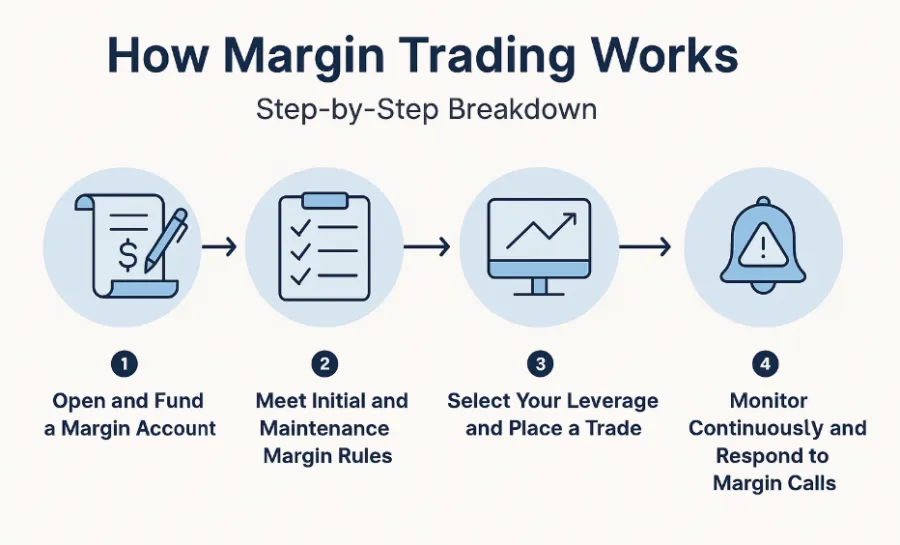
The greater the leverage the person uses, the quicker they can reach that liquidation position. The market doesn’t need to fall by the full value of the position for the margin to get jettisoned.
What’s In it for the Platform?
These arrangements only work as a business model because both sides have something to gain. Traders aren’t simply given the benefit of the doubt. The platform’s agenda in this situation is to generate as great of trading profits as they can.
Trading Fees
Fees are computed as a percentage of the nominal value of the trade rather than the trader’s margin. Take some imaginary guy named Ron who deposits $15K and requests 10x leverage to get a $150K position. It takes on the following cost structure:
- Opening taker fee at 0.05%: $75
- Closing maker fee at 0.02%: $30
- Daily funding at 0.03%: $45
- 30-day funding: $1,350
That would end up running him $1,455 in fees every month, consuming 9.7% of his 15k deposit, before he gets to start making gains.
What Happens When You Lose the Platform’s Money?
The thought of handling a broker’s money almost makes it sound like they’re just going to let you use as much money as you want and just take the losses for you. That would be a gravely mistaken assumption.
Back to Joe from earlier who manages 10 grand thanks to leverage. If the market dips 5% against him, he could lose 500 bucks in his own equity, as the maintenance margin, fees, and liquidation engine dictate. His margin eats the loss, which gets auto-cut. Beyond the 5 percent where it’s cut off, fees get tacked on too. So he ends up with around 490 dollars of margin left.
The threshold all depends on the platform’s rules and fees. If it continues to fall, the system will just close or reduce the position by algorithm, so the trader can’t just keep losing the platform’s capital. It intervenes before it gets too far gone.

What if the Position Loses More Than Your Margin?
Though platforms automate liquidation to close your position before it eclipses the margin, the possibility still exists for gaps, slippage, and losses to rapidly accumulate. Extreme market conditions can incur a negative balance or losses beyond the deposited margin. It is for these scenarios that platforms intagrate negative balance protection. Some just use insurance funds or other loss-sharing mechanisms to address these shortfalls. Still others even can go after former customers for their debts if their agreements so entitle them.
Role of Regulation in Dispute Resolution
When a trade a platform facilitated for you goes wrong, things can get pretty hairy. On their part, the trader can argue that the app should’ve automatically sold the position once it got to a certain point. Or they can say it got too high, the fees are ridiculous, or the way they computed calculations was wrong. Some traders find themselves facing withdrawal restrictions even after trading and coming out on top.
Regulated Markets
If the market has a regulator, there are very clear-cut routes for raising complaints than in the alternative case. First, each party is supposed to try to resolve the situation internally. Beyond that, jurisdictions normally have some sort of dispute-resolution mechanism in place. Even if a trader lost money, it may become an entirely separate question whether the platform followed the rules and the contractal terms governing how the position was closed. Platforms are required to keep records. However, regulation does not guarantee compensation.
How to Choose the Right Platform
Don’t get caught up in the big headline numbers. Just like with any other asset, these are designed ot catch the eyeballs and reel in traders, but the reality is the flashiest headlines lead customers astray. A platform offering 100x leverage may look like a real find, but the fees, liquidity, liquidation rules, and regulation are massive factors not to be overlooked.
Look out for the following:
- Regulatory status: find out which company actually operates the platform, its nation of registration, and the overseer and thus the rules governing their operation.
- Read into the leverage provided for the specific assets youre interested in: Some platforms impose different limits depending on the asset, cryptocurrency, position size, market conditions, or customer type. The platform may reduce leverage when volatilty rises too.
- Calculate the full cost of trading with them: study up on their complete cost structure.
- Liquidity: even if fees are low, having a decent amount of liquidity is an absolute must. If they don’t have enough liquidity, you won’t be able to enter and exit your positions.
- Liquidation rules: make sure you know in advance what exactly can cause your assets to be liquidated.