
 BTC
BTC
 ETH
ETH
 LTC
LTC
 BCH
BCH
 DOGE
DOGE
 USDT
USDT
 DASH
DASH
 XRP
XRP
 USDC
USDC
 XMR
XMR
 BNB
BNB
 TRX
TRX
 SHIB
SHIB
 DAI
DAI
 ZEC
ZEC
 SOL
SOL
 ETC
ETC
 POL
POL
 XLM
XLM
 ADA
ADA
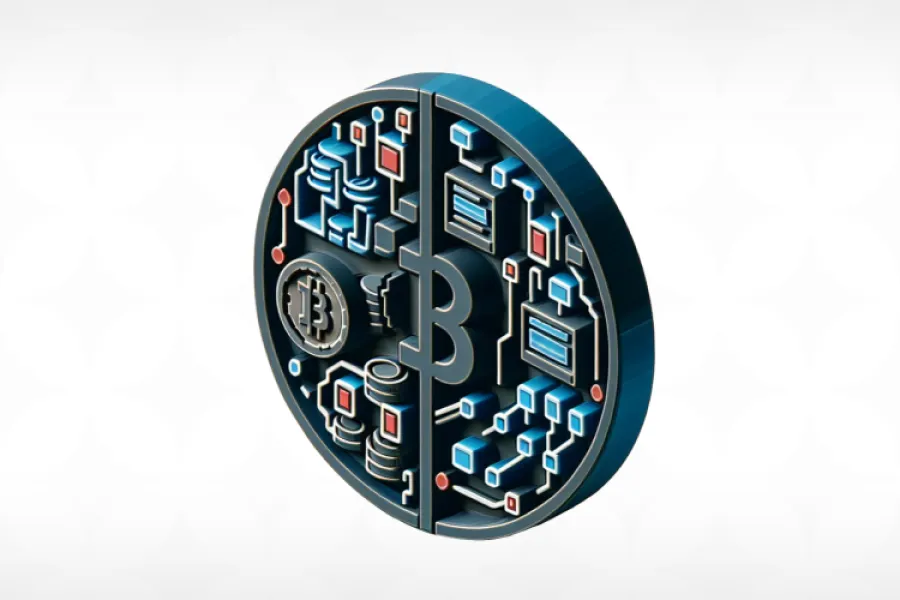
Blockchain technology is transforming the landscape of trading, offering innovative solutions that address the limitations of traditional methods.
This evolution from conventional practices to blockchain-based systems enhances security, transparency, and efficiency.
It reduces transaction fees and automates processes with smart contracts, leading to profound implications.
Explore the potential and challenges of blockchain in trading, as well as its future role in reshaping the industry.
Discover what lies ahead for businesses and individuals in this dynamic environment.
Traditional Trading Methods and Their Limitations
Traditional trading methods employed by financial institutions and investment banks frequently involve complex processes that lead to elevated transaction costs and operational inefficiencies. These limitations restrict market accessibility and hinder the provision of customer-centric services within capital markets.
Such methods typically depend on multiple intermediaries, utilise outdated technology, and include lengthy approval procedures, which can result in delays in trade execution and increased expenses. Consequently, customers often experience extended wait times before transactions are finalised, which can lead to dissatisfaction and missed market opportunities.
The substantial operational costs arising from these inefficiencies can significantly erode profits, necessitating that financial institutions pass these expenses onto their clients. These limitations undermine the overall effectiveness of capital markets, making it challenging for retail investors to compete with institutional players and ultimately stifling market liquidity.
How Blockchain is Revolutionizing Trading
Blockchain technology is fundamentally transforming trading by introducing decentralised finance solutions that enhance trading platforms. These advancements provide faster transaction speeds, reduced costs, and improved security features, ultimately altering the landscape of financial services and cryptocurrency markets.
For instance, platforms such as Binance and Coinbase have successfully integrated blockchain technology to streamline trading processes, resulting in significantly reduced settlement times compared to traditional systems. In these instances, traders benefit from near-instantaneous transaction confirmations, which not only enhance liquidity but also facilitate more agile trading strategies.
The implementation of smart contracts on Ethereum-based platforms further reduces transaction fees by eliminating intermediaries, thereby lowering the overall costs associated with trading. Additionally, the inherent security features of blockchain, including cryptographic encryption and decentralised ledgers, offer traders an added layer of protection against fraud and cyber threats, fostering greater trust in digital asset transactions.
Increased Security and Transparency
Blockchain technology inherently offers enhanced security and transparency through its decentralised ledger system, which significantly reduces the risk of identity fraud and strengthens fraud prevention measures for digital assets.
This unique architecture ensures that every transaction is recorded in a public ledger that is immutable, rendering unauthorised alterations nearly impossible. For example, the application of cryptographic hashing guarantees that any attempt to modify transaction information would be readily detectable by network participants.
Additionally, smart contracts—self-executing agreements with the terms embedded within the code—provide an extra layer of security by automating processes and minimising the need for intermediaries, thus decreasing the potential for human error or deceit.
Consequently, users are able to engage with digital asset management platforms with increased confidence, assured that their assets are safeguarded against fraud and that their transaction history remains transparent and verifiable for all parties involved.
Elimination of Middlemen and Lower Transaction Fees
The implementation of blockchain technology facilitates the elimination of intermediaries in financial transactions, significantly reducing transaction fees and enhancing customer-centric processes.
By directly connecting buyers and sellers, blockchain promotes faster and more transparent exchanges, ultimately contributing to a more efficient economic ecosystem. For example, in the area of remittances, individuals can transfer funds across borders within minutes, circumventing traditional banking systems that often impose high fees and extended waiting periods.
Moreover, cross-border payments become more streamlined, as smart contracts automate procedures that previously required manual intervention, thereby minimising the likelihood of errors and delays. These advancements not only create a more seamless user experience but also enable users to retain a larger portion of their transactions, thereby promoting greater financial inclusion on a global scale.
Greater Accessibility and Global Reach
Blockchain technology significantly enhances market accessibility and promotes global reach by facilitating cross-border payments with digital currencies. This innovation allows individuals and businesses to engage in financial services without the limitations of geographical constraints.
This transformative approach is particularly important for underbanked populations who traditionally face challenges in accessing conventional banking systems due to geographical or economic barriers. By leveraging decentralised financial options, these individuals can participate more fully in the global economy, enabling them to send, receive, and invest money using digital currencies with greater ease.
Such capabilities not only give the power to communities by improving financial inclusion but also stimulate global commerce through increased transaction speed and reduced costs. Consequently, businesses can operate more efficiently, while consumers enjoy a broader array of services tailored to their needs, thus creating a robust ecosystem that fosters economic growth.
Smart Contracts and Automated Processes
Smart contracts, an essential element of blockchain technology, automate processes by executing predefined agreements without the necessity for intermediaries, thereby significantly reducing operational costs for financial institutions.
These digital agreements are self-executing and operate based on coded conditions that facilitate automatic transactions upon the fulfilment of specified stipulations. By eliminating manual intervention and the associated risks of human error, smart contracts not only expedite the transaction process but also enhance transparency and security.
In practical applications, financial institutions utilise smart contracts to streamline operations, including loan disbursements, insurance claims, and trade settlements. This innovative approach not only increases efficiency but also fosters trust among participants by ensuring that all conditions are satisfied prior to the finalisation of any transaction, thus paving the way for a more reliable financial ecosystem.
Impact on Supply Chain Management
The adoption of blockchain technology in supply chain management offers unprecedented levels of transparency and traceability, enabling businesses to monitor the movement of digital assets throughout the entire supply chain.
This innovative approach allows stakeholders to access real-time data regarding inventory levels and product origins, thereby enhancing operational efficiency and facilitating improved decision-making.
Various industries, including food and drink, pharmaceuticals, and luxury goods, have embraced blockchain technology to optimise their processes. For example, companies such as Walmart utilise blockchain to trace the journey of food products from the farm to the shop, significantly reducing the time required to identify sources of contamination.
Additionally, the inherent transparency of blockchain minimises the risk of fraud, ensuring that all participants in the supply chain can trust the authenticity of the goods being traded.
Challenges and Concerns with Blockchain Trading
Despite the benefits associated with blockchain trading, significant challenges and concerns persist, including issues related to regulatory compliance, security risks, and the potential for identity fraud. Addressing these challenges is essential to foster user confidence.
As the landscape of digital finance continues to evolve, a comprehensive understanding of these complexities is vital for all participants. Regulatory bodies worldwide are attempting to establish effective governance for this transformative technology, resulting in a patchwork of regulations that can create confusion for both traders and investors.
The decentralised nature of blockchain also presents unique security vulnerabilities that malicious actors may exploit, raising concerns regarding the safety of digital assets. Additionally, the general public often perceives blockchain as risky or complicated, which can hinder its widespread adoption.
To effectively mitigate these risks, industry stakeholders should collaborate to develop clearer regulatory frameworks, enhance security protocols through advanced technologies, and improve public understanding through targeted educational initiatives.
Regulatory and Legal Implications
The emergence of blockchain technology presents numerous regulatory and legal implications that financial institutions must navigate to ensure compliance with existing laws while adapting to this innovative environment.
Globally, various jurisdictions are in the process of developing their own legal frameworks to address the unique challenges and opportunities presented by blockchain technology. Some regions are embracing this technology by establishing favourable regulations aimed at promoting innovation, while others are adopting a more cautious approach, implementing stringent oversight measures to mitigate risks associated with fraud and volatility.
For financial institutions, comprehending these diverse regulations is essential not only for operational compliance but also for maintaining trust with clients and stakeholders. As regulators continue to refine their approaches, the pathway for broader blockchain adoption will increasingly depend on how effectively these institutions can align their strategies with the evolving legal landscape.
Adoption of Blockchain by Traditional Financial Institutions
The adoption of blockchain technology by traditional financial institutions represents a significant evolution in banking practices, enabling investment banks and other entities to enhance their capital raising efforts and optimise overall operations.
As these institutions investigate the capabilities of blockchain, they are driven by the potential for substantial improvements in operational efficiencies. By automating and streamlining processes through the implementation of smart contracts, they can reduce the time required to settle transactions, thereby lowering operational costs.
Institutions such as JP Morgan and Santander have initiated pilot programmes for blockchain solutions, demonstrating the potential for increased transparency and security in transactions. Furthermore, enhanced customer service serves as an additional motivating factor; as clients increasingly demand swift and reliable services, blockchain technology provides a means to fulfil these expectations through real-time processing and reduced fees, thereby fostering stronger relationships between banks and their customers.
Case Studies of Successful Implementation
Numerous case studies illustrate the successful integration of blockchain technology within financial institutions, highlighting innovative solutions that improve efficiency, security, and customer satisfaction.
For instance, JPMorgan Chase has established the Quorum blockchain platform, which optimises various banking operations, including cross-border payments and trade finance. This platform enables near-instantaneous transactions while significantly reducing associated costs.
In a similar vein, Ripple has formed partnerships with various banks worldwide to facilitate real-time international money transfers, demonstrating that blockchain technology can greatly enhance transaction speed and transparency.
The insights gained from these implementations underscore the necessity of collaboration between technology companies and financial institutions, with a primary focus on regulatory compliance and scalability from the outset.
Best practices encompass conducting pilot programmes to refine the operational aspects of blockchain applications, while also ensuring that end-users receive comprehensive training to facilitate a smoother transition.
Future Predictions and Possibilities
As blockchain technology continues to advance, future projections suggest it will have a transformative impact on financial services and the entry of technological firms into the market, potentially reshaping the investment landscape and capital markets.
This evolution is expected to streamline existing processes while introducing innovative solutions for transaction recording, enhancing security, and facilitating cross-border payments. As these technological firms leverage the capabilities of blockchain, they are anticipated to explore novel applications such as decentralised finance (DeFi), which can democratise access to capital and credit services, particularly for underbanked populations.
However, challenges such as regulatory uncertainties, interoperability issues, and the necessity for robust cybersecurity measures will necessitate strategic approaches. By effectively addressing these challenges, firms can harness the growth potential of blockchain, ultimately driving efficiencies and developing new service offerings that align with an increasingly digital financial landscape.
