
 BTC
BTC
 ETH
ETH
 LTC
LTC
 BCH
BCH
 DOGE
DOGE
 USDT
USDT
 DASH
DASH
 XRP
XRP
 USDC
USDC
 XMR
XMR
 TRX
TRX
 BNB
BNB
 SHIB
SHIB
 DAI
DAI
 ZEC
ZEC
 SOL
SOL
 ETC
ETC
 POL
POL
 XLM
XLM
 ADA
ADA
Remember when Bitcoin was just this weird internet money thing that only tech nerds talked about? That was 2009. Fast forward to today, and the blockchain landscape looks completely different. We've gone from a single, slow network to hundreds of competing blockchains, each trying to solve the same fundamental problem: how do you make this technology actually work for real people?
Layer-1 blockchains are basically the foundation of the whole system. They're the base layer where everything happens - transactions get processed, blocks get created, and security gets maintained. Bitcoin is a Layer-1. So is Ethereum. And Solana, Cardano, Avalanche—the list goes on.
The Early Days: Bitcoin and Ethereum
Bitcoin was groundbreaking because it proved you could move money around without banks or governments involved. The technology worked, but it was painfully slow. We're talking about seven transactions per second. Seven. For context, Visa processes thousands per second on an average day.
When your user base is a handful of cryptography enthusiasts, seven transactions per second is fine. When millions of people want to use your network? Not so much.
Then Ethereum showed up in 2015 with smart contracts, and suddenly blockchains could do way more than just move money around. You could build entire applications on them. People got excited. Maybe too excited, because the network quickly hit the same wall Bitcoin had - except worse, because smart contracts are more complex than simple transfers.
I still remember 2017. Gas fees on Ethereum were absolutely insane. You'd pay $50 just to move some tokens, and your transaction might sit pending for hours. It was a mess. Everyone knew something had to change, but nobody quite agreed on what that change should look like.
The Blockchain Trilemma
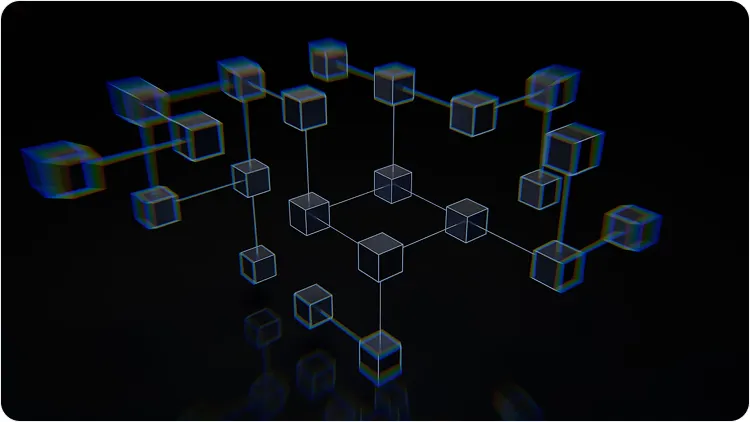
Here's where things get interesting. Vitalik Buterin (one of Ethereum's creators) explained this problem as a trilemma. You've got three things you want in a blockchain: decentralization, security, and scalability. The catch? You can really only optimize two at once.
Bitcoin and Ethereum chose decentralization and security. Smart move for building trust in something completely new, but it meant sacrificing speed. And when you're trying to build the future of finance, speed matters. A lot.
New Approaches to Speed and Scalability
The industry's response has been fascinating to watch. Developers started questioning everything. Did we really need energy-hungry mining? Could we process transactions in parallel instead of one-by-one? What if we completely redesigned how blocks were created?
Proof-of-stake emerged as a serious alternative to proof-of-work. Different projects experimented with wild new ideas - some worked, some flopped spectacularly. Somnia Network is one of the newer projects exploring just how fast you can make a blockchain without breaking the fundamental properties that make it valuable in the first place.
What's interesting is how these aren't just incremental improvements. We're talking about complete reimagining of blockchain architecture, challenging assumptions that seemed set in stone just a few years ago.

Innovation in Layer-1 Design
The stuff happening in blockchain design right now is honestly pretty crazy. You've got some teams working on sharding, which breaks the network into chunks so everything doesn't have to process through one bottleneck. Then there are others building completely fresh virtual machines that have nothing to do with Ethereum's setup.
Here's the thing though. If you build something totally new and different, sure, you might get insane speed. But now developers need to learn your weird new programming language and toolset. Nobody wants to do that. On the flip side, if you just copy Ethereum's approach, you get all their developers but you're also stuck with the same problems they have.
The smart projects thread the needle somehow. They're quick enough that people actually want to use them, but not so alien that developers run away screaming. A lot of this comes down to boring engineering decisions rather than flashy breakthroughs.
Parallel processing is probably the biggest deal. Think about it like this: old blockchains are like having one cashier at a supermarket. Doesn't matter how many customers show up, everyone waits in the same line. Newer ones are like opening multiple checkout lanes. Super simple concept. Ridiculously hard to pull off without breaking something important.
Real-World Impact and Adoption
Okay, so here's where it gets fun. Blockchain spent years being this technology that everyone talked about but nobody actually used for anything real. That's changing now.
Yeah, DeFi is still the main thing. But you're also seeing games built on-chain, companies using it for supply chains, people experimenting with digital identity systems. As these networks get faster and transaction costs drop, suddenly way more ideas become viable.
Even regular businesses outside crypto are starting to pay attention. Consider places that deal with physical stuff and need to track value. Pawn shops like Suttons and Robertsons have to verify authenticity, track ownership history, and maintain records of every transaction. That's literally what blockchains are good at. You could see how an immutable ledger might actually be useful there instead of just being cool technology looking for a purpose.
The developer situation tells you what's really going on. Blockchains that make building easy are growing like crazy. More devs build more apps. More apps attract more users. More users mean more transactions, which proves whether the network can actually handle what it claims.
The Road Ahead
Look, this story isn't over. Not by a long shot. We're maybe halfway through at best. New blockchains launch every month promising to be the fastest thing ever. Old ones keep patching and upgrading.
Competition is what makes this whole thing move forward. Bitcoin had problems, so we got Ethereum. Ethereum had problems, so we got Solana and Avalanche and fifty others. Every generation learns from the last one's screw-ups and then creates brand new problems to solve.
Whatever blockchain ends up dominating (if any single one does) probably doesn't exist yet. But watching this play out in real time? Pretty fascinating stuff.
