
 BTC
BTC
 ETH
ETH
 LTC
LTC
 BCH
BCH
 DOGE
DOGE
 USDT
USDT
 DASH
DASH
 XRP
XRP
 USDC
USDC
 XMR
XMR
 TRX
TRX
 BNB
BNB
 SHIB
SHIB
 DAI
DAI
 ZEC
ZEC
 SOL
SOL
 ETC
ETC
 POL
POL
 XLM
XLM
 ADA
ADA
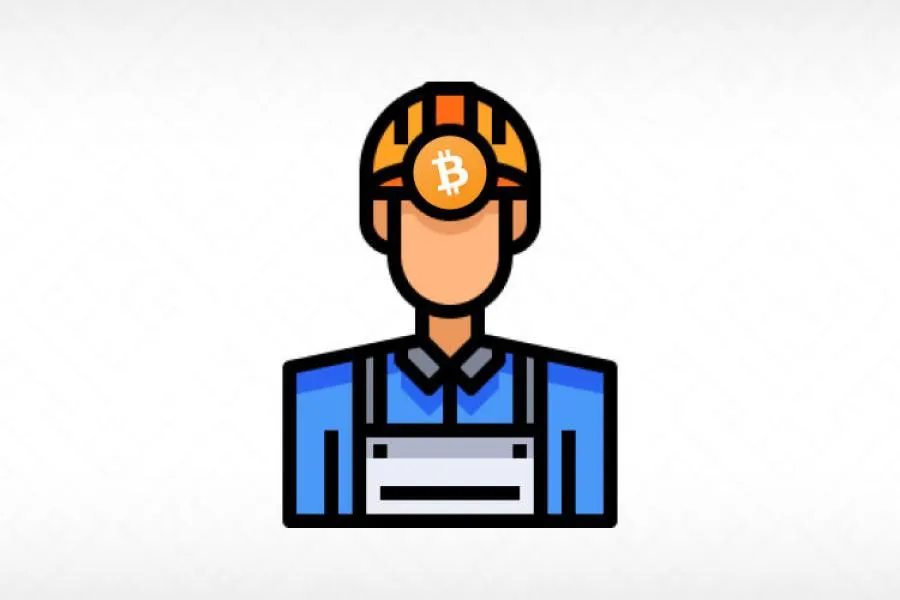
Cryptocurrency mining is the method through which cryptocurrencies are created and transactions that involve new coins are verified. It involves the adoption of huge, decentralized networks of computers from various parts of the world, which ensures that the public ledgers where crypto transactions are recorded (blockchains) are kept safe.
The concept of double-spending
Double spending is a risk that involves using a digital currency for multiple transactions. When using traditional fiat currency, you tender paper money or metal coin for payment of transactions. You cannot use the same note for another transaction, thanks to the fact that the money is rendered physically.
However, this is different when it comes to cryptocurrencies owing to their digital nature. This makes them easy to reproduce, resulting in an issue where the same digital coin is used more than once. Mining is the process that solves this issue. Through blockchain, double-spending has become less scary.
Recording transactions in blockchain facilitates the confirmation and verification of transactions. Once these transactions are confirmed, they become immutable and visible to every user in the crypto network. This makes them impossible to alter or remove.
Proof of work
Proof of work is a consensus mechanism that confirms the participation of network miners in calculating certain alphanumeric codes (or hashes) to verify cryptocurrency transactions while adding new blocks to the blockchain. This proof of work deals with creating positive incentives or rewards for miners who invest their resources in adding valid blocks to the crypto blockchain.
The computation involved is extremely complex and difficult. When miners are made to solve such computations by investing a significant amount of resources, the proof of work facilitates the creation of a disincentive, which prevents miners from undermining the blockchain's integrity. This makes it essential.
Mining Pool
The complexity and difficulty of mining blocks of transactions have already been established. This ensures that the amount of money invested in providing essential resources for computation is significant. In an effort to minimize costs, a group of miners pools their computational power together to solve complex mathematical algorithms.
This makes it easier to find and record transactions. However, the reward - which is in the form of the associated cryptocurrency - for a successful mining process is often split among the members of the pool. Miners either go solo or join a pool of miners.
Factors that affect the mining process
Mining is a process that consumes a significant amount of resources even though it rewards. However, there are certain factors that can affect the mining process. Some of these are explained below:
Hash rate
This refers to the number of calculations that must be carried out by the hardware in a second. This is a significant factor since faster calculation can only be achieved when the hash rate number is high. This will close the block and ensure the reward comes quickly.
Miners must pay close attention to the outcome of the hash function. Oftentimes, miners must try several random inputs to discover the specific output for the hash function. This ensures that the competition remains high and to receive the reward, miners must look through every random input very quickly.
Consumption Of Energy
Another essential factor in crypto mining is the required power input. The powerful hardware that is often used for computation will consume a high amount of energy. Miners must estimate the electricity consumption in watts to calculate the electricity bill for the predicted number of watts. With this calculation, miners can determine whether their investment in the mining process is matched by the rewards they expect to receive.
Conclusion
Mining is an important process in the crypto world. After all, mining maintains the integrity of the whole crypto networks as it verifies the validity of transactions and prevent double-spending.
