
 BTC
BTC
 ETH
ETH
 LTC
LTC
 BCH
BCH
 DOGE
DOGE
 USDT
USDT
 DASH
DASH
 XRP
XRP
 USDC
USDC
 XMR
XMR
 TRX
TRX
 BNB
BNB
 SHIB
SHIB
 DAI
DAI
 ZEC
ZEC
 SOL
SOL
 ETC
ETC
 POL
POL
 XLM
XLM
 ADA
ADA
Tether, the company behind the world's largest stablecoin USDT, has decided against registering under the European Union’s Markets in Crypto-Assets (MiCA) regulations, a move that has sparked debate across the crypto industry. Paolo Ardoino, Tether’s CEO, recently defended this decision, arguing that compliance with MiCA’s requirements would be impractical and could harm liquidity in the EU’s crypto market.
Why Tether Won’t Comply with MiCA
MiCA imposes strict regulations on stablecoin issuers, including transparency, reserve audits, and operational requirements. Among its key rules is a cap on daily transaction volume for non-euro stablecoins—meaning non-EU stablecoins like USDT could face restrictions if they exceed certain thresholds.
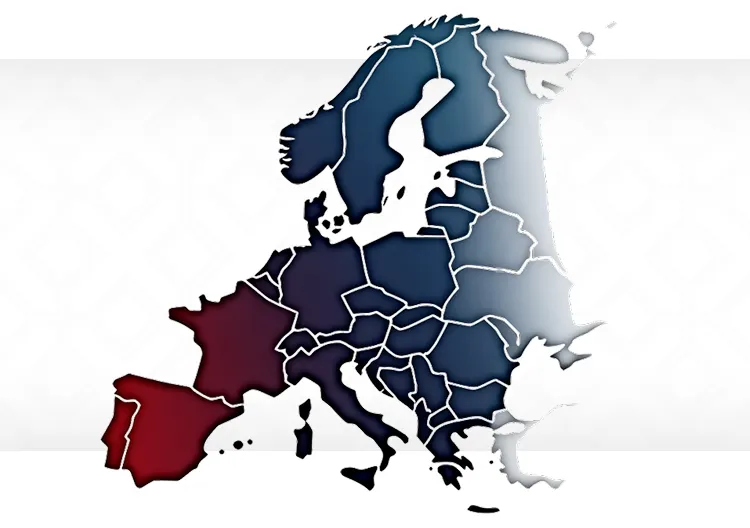
Ardoino stated that complying with MiCA would:
1. Restrict USDT’s Functionality: MiCA’s proposed daily limits could hinder USDT’s role as a liquidity provider for exchanges, traders, and institutional users.
2. Increase Compliance Costs: Registering under MiCA would require Tether to adjust its reserves and operations, adding unnecessary complexity.
3. Unfairly Advantage Euro-Pegged Stablecoins: The regulation could favor EU-based stablecoins like EURT (Tether’s euro-backed stablecoin), creating an uneven playing field.
Instead of registering USDT under MiCA, Tether will focus on EURT and other compliant offerings, allowing it to remain active in Europe while avoiding regulatory hurdles for its flagship USDT.
Industry Reactions and Concerns
Critics argue that Tether’s decision could isolate EU traders from USDT liquidity, potentially forcing them to rely on alternative stablecoins licensed under MiCA. Some believe this could benefit competitors like Circle (USDC), which is actively seeking MiCA approval.
However, supporters contend that MiCA’s strict approach might stifle innovation and limit cross-border crypto transactions, making USDT a less viable option for European users.

What’s Next for USDT in Europe?
While Tether won’t seek MiCA registration for USDT, the stablecoin will still be available in Europe—just without direct regulatory approval. This means:
- Exchanges may delist USDT to remain compliant, reducing its availability.
- EURT could gain traction as a MiCA-compliant alternative.
- Over-the-counter (OTC) trading and decentralized exchanges (DEXs) may still support USDT, though with legal risks.
Conclusion
Tether’s resistance to MiCA reflects broader tensions between regulatory oversight and crypto market efficiency. While MiCA aims to bring stability and transparency, Ardoino argues that overregulation could backfire, pushing liquidity to less regulated markets.
As the regulatory landscape evolves, Tether’s strategy will be closely watched—highlighting a crucial debate: How much regulation is too much for stablecoins?
For now, USDT remains dominant globally, but its future in Europe may depend on whether MiCA adapts—or whether traders find new workarounds to keep using it.
Meanwhile more then 1700 companies are accepting USDT as a payment in 2025 and the amount of such companies is growing everyday.
