
 BTC
BTC
 ETH
ETH
 LTC
LTC
 BCH
BCH
 DOGE
DOGE
 USDT
USDT
 DASH
DASH
 XRP
XRP
 USDC
USDC
 XMR
XMR
 BNB
BNB
 TRX
TRX
 SHIB
SHIB
 DAI
DAI
 ZEC
ZEC
 SOL
SOL
 ETC
ETC
 POL
POL
 XLM
XLM
 ADA
ADA
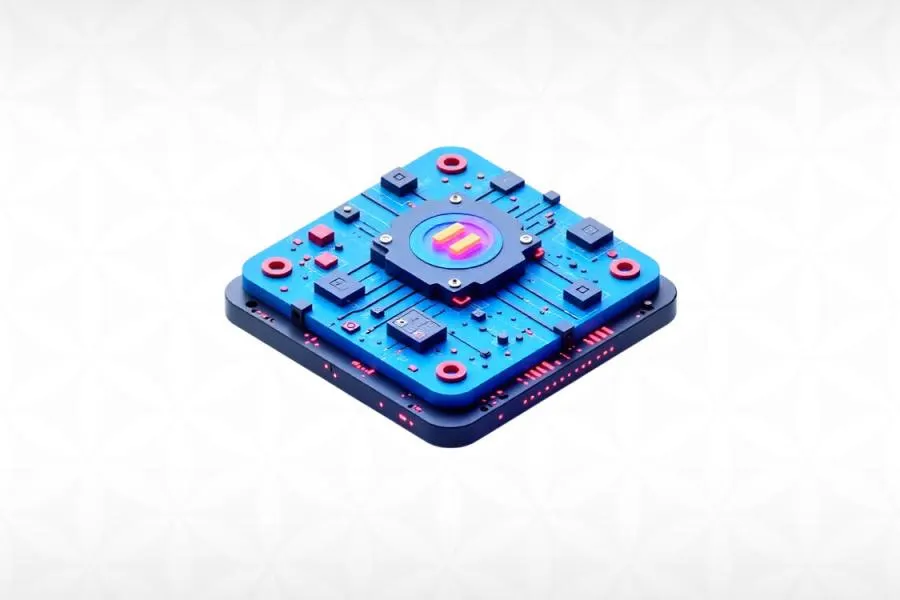
Smart contracts were once seen as futuristic tools confined to the blockchain world. But today, they’re becoming the engine behind real economic interactions. At the heart of this evolution is PayFi — a new generation of decentralized applications that connect self-executing contracts with real-world money transfers.
As explored in Concordium’s overview, PayFi isn’t just about faster payments. It’s about building auditable, automated, and trust-minimized systems where code directly initiates and confirms financial settlement.
What Are PayFi dApps?
PayFi dApps, short for Payment Finance Decentralized Applications, represent the convergence of decentralized finance and real-time digital payments. Unlike traditional dApps that only handle on-chain tokens or require intermediaries for fiat settlements, PayFi dApps enable users and businesses to transact seamlessly, with instant clearing, transparent audit trails, and built-in trust thanks to smart contracts.
These applications are programmable, meaning the logic of a payment (e.g., who gets paid, how much, and under what conditions) is baked into the code itself. As soon as the conditions are met, the payment happens — no delays, no third-party processors.
The Gap Between Smart Contracts and Real-World Use
Smart contracts have been used for years in DeFi, gaming, and NFTs. But their real-world utility has lagged behind. This is largely because:
- Traditional banking systems are siloed and slow.
- Most smart contract platforms lack built-in compliance and identity features, which are necessary for real-world finance.
- Payments often require off-chain bridges or trusted intermediaries.
This gap means that, while billions of dollars flow through smart contracts, they rarely handle things like monthly subscriptions, retail invoicing, or global payroll — the bread and butter of modern commerce.
How PayFi Bridges Code and Commerce
PayFi steps in where legacy systems stall. By building on platforms like Concordium, which includes native identity and privacy features, PayFi dApps can interact with real users — not just wallet addresses — in a compliant and secure way.
PayFi creates a framework where smart contracts aren’t just theoretical rules — they’re tools for real-world automation. A freelancer in Nairobi can automatically receive payment the moment a job is approved. A subscription service in Berlin can set up automated monthly debits, without relying on Stripe or PayPal.
It brings together on-chain trust with off-chain relevance, helping smart contracts become more than speculative tools — they become financial infrastructure.
Core Features of a PayFi dApp
Instant Settlement
Traditional banking systems can take days to settle transactions, especially across borders. With PayFi, funds are settled on-chain within seconds. This is possible because PayFi networks are designed to minimize consensus delay while ensuring finality — once the payment is confirmed, it cannot be reversed.
Built-In Compliance
One of PayFi’s game-changing features is its ability to bake compliance into the dApp layer. Thanks to platforms like Concordium, developers can access verifiable identity frameworks without compromising privacy. This means they can create dApps that comply with KYC, AML, and data protection laws, making them suitable for mainstream adoption.
Tokenized Payments
PayFi dApps support both stablecoins and programmable tokens, allowing payments to be pegged to fiat currencies or customized for specific business needs. A logistics company might use a tokenized credit system, while a marketplace might rely on EUR- or USD-backed stablecoins for stable settlement.
Use Cases: From Invoicing to Subscriptions
PayFi’s flexibility means it can power a wide range of applications. A few examples include:
- Smart Invoicing: Automatically release funds when delivery is confirmed.
- Global Payroll: Handle real-time salary payments in multiple currencies.
- Streaming Payments: Send payments by the second — perfect for gig platforms or SaaS models.
- Microtransactions: Enable new business models like pay-per-article or per-minute media consumption.
What makes these use cases viable is not just the blockchain backend, but the user-facing reliability and speed that PayFi delivers.
Concordium as a Base Layer for PayFi Apps
Concordium’s architecture is especially well-suited to host PayFi dApps. It combines public blockchain transparency with zero-knowledge proof identity, enabling developers to build apps that are both decentralized and compliant.
The presence of native identity in every transaction enables:
- Regulatory-ready applications
- Anti-fraud mechanisms
- Privacy-preserving recordkeeping
Moreover, the protocol’s finality layer ensures that payments can’t be reversed or double-spent — a critical element for serious financial applications.
Developer Ecosystem and Tooling
For PayFi to thrive, the ecosystem must be developer-friendly. Concordium and similar platforms are investing in:
- SDKs and APIs for rapid integration of payment logic
- On-chain test environments for simulating real-world usage
- Cross-chain bridges to allow interoperability with Ethereum, Solana, and others
- Standard libraries for handling tasks like token issuance, subscription logic, or invoice tracking
By lowering the barrier to entry, more developers can focus on building impactful apps, not re-implementing infrastructure.
UX Challenges and Adoption Barriers
Despite its potential, PayFi must overcome several hurdles before it becomes a household name:
- Wallet complexity: Users still struggle with seed phrases, gas fees, and private keys.
- Regulatory uncertainty: While compliance is built-in, many jurisdictions still lack clarity on smart contract law.
- Fiat on/off ramps: To truly reach mass adoption, users must be able to move between crypto and fiat seamlessly.
Improving wallet design, enhancing education, and working with regulators will be crucial in bridging these gaps.
The Future of Programmable Payments at Scale
PayFi represents more than a technical upgrade — it’s a paradigm shift in how we think about money. It allows code to handle not just how money moves, but why, when, and to whom — all based on logic written and verified on-chain.
As identity-aware, compliance-ready platforms like Concordium become more accessible, the line between code and commerce will continue to blur. We may soon live in a world where:
- Contracts sign themselves and execute without lawyers.
- Businesses pay vendors instantly, globally, and without bank fees.
- Subscription models are coded into services with no human involvement required.
The rise of PayFi dApps isn’t just a tech trend — it’s the next chapter in financial evolution.
