
 BTC
BTC
 ETH
ETH
 LTC
LTC
 BCH
BCH
 DOGE
DOGE
 USDT
USDT
 DASH
DASH
 XRP
XRP
 USDC
USDC
 XMR
XMR
 BNB
BNB
 TRX
TRX
 SHIB
SHIB
 DAI
DAI
 ZEC
ZEC
 SOL
SOL
 ETC
ETC
 POL
POL
 XLM
XLM
 ADA
ADA

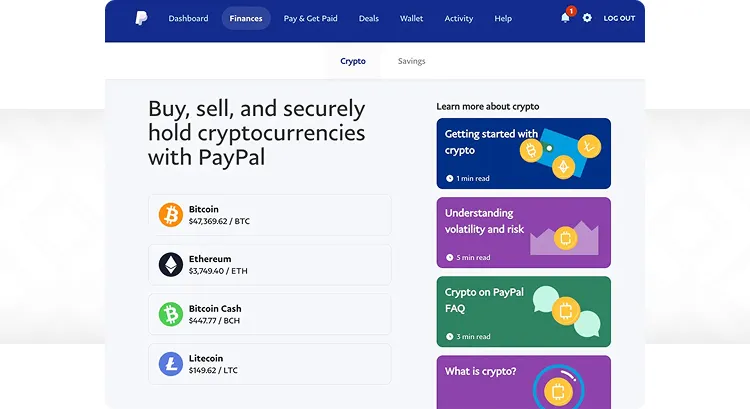
PayPal, a long-standing titan in digital payments, is set to significantly reshape the financial landscape with its recent announcement: the integration of payments in over 100 cryptocurrencies. This move, which sees crypto tokens converted into the stablecoin PYUSD managed by Paxos, marks a pivotal moment for both the fintech giant and the broader cryptocurrency market.
With a focus on small businesses and competitive fees (0.99% initially, rising to 1.5% after the first year), PayPal is not just entering the crypto arena; it's aiming to redefine it.
Impact on the Crypto Gateway Services Market
PayPal's expansive entry into crypto payments presents a formidable challenge to existing crypto gateway services. Historically, these services have facilitated the conversion of cryptocurrencies for merchant acceptance, often charging transaction fees ranging from 0.5% to 1% or higher, in addition to traditional credit card processing fees which can be 1.5% to 3.5%.
PayPal's competitive fee structure and its vast, established network of over 400 million active users (as implied by its role as a leader in digital payments) could significantly disrupt this market. Smaller, less diversified crypto gateways that primarily offer basic crypto-to-fiat conversion services may face immense pressure. PayPal's seamless integration, allowing consumers to pay with various cryptocurrencies that are instantly converted to PYUSD and delivered to merchants in USD, streamlines the process and reduces friction. This efficiency, coupled with lower costs for merchants, could lead to a consolidation in the crypto gateway sector, potentially sidelining or absorbing numerous niche players. While it's difficult to quantify the exact number of gateways that could be "destroyed," those unable to compete on cost, reach, or integrated services will undoubtedly struggle against PayPal's significant advantages.
However, some established crypto payment processors like Coingate, Coinbase Commerce, BitPay, NOWPayments, AmmerPay, and PassimPay, which offer robust solutions, diverse cryptocurrency support, and sometimes unique features (e.g., Lightning Network integration), may adapt by focusing on specific niches, advanced functionalities, or by serving enterprises with more complex crypto needs.
PayPal's Key Competitors in the Crypto Payment Space
While PayPal boasts a dominant position, several entities are vying for a share of the burgeoning crypto payment market:
- Dedicated Crypto Payment Processors: Companies like Coingate, BitPay, NOWPayments, AmmerPay, and PassimPay are direct competitors, offering specialized services for businesses to accept various cryptocurrencies.
- Traditional Payment Processors with Crypto Ambitions: Major players like Stripe, Square (Block Inc.), and Shopify Payments are also expanding their cryptocurrency offerings, leveraging their existing merchant networks and technological infrastructure. Stripe, for instance, already supports crypto in some capacities.
- Other Digital Wallets and Fintechs: Platforms like Wise, Skrill, and Payoneer, while not solely focused on crypto, offer a range of digital payment solutions and could further integrate cryptocurrency features to compete.
The Trajectory of Mass Crypto Adoption
PayPal's strategic move is a strong indicator of the accelerating trend towards mass crypto adoption. The overall direction is clearly upward, driven by several key factors:
Increasing Ownership: Cryptocurrency ownership is growing globally. In 2025, approximately 28% of American adults (around 65 million people) own cryptocurrencies, a significant increase from 15% in 2021.
Regulatory Clarity: As regulatory frameworks become clearer, it fosters legitimacy and confidence, encouraging broader participation from individuals and businesses. This reduces uncertainty and opens doors for innovation.
Financial Inclusion: Cryptocurrencies offer borderless and often faster, cheaper solutions for cross-border transactions, providing greater financial inclusion for unbanked and underbanked populations, especially in developing nations facing currency volatility.
Technological Advancement: Continuous improvements in user interfaces, security, and interoperability between different blockchain networks (e.g., through bridges and oracles) are making crypto more accessible and user-friendly.
Institutional Embrace: Major corporations and payment networks like PayPal embracing digital assets provide a significant push towards mainstream acceptance. The "tipping point" for mass adoption, often cited as reaching 8-10% of the population, seems within reach as more established entities participate.
Despite challenges like price volatility, evolving regulations, and technical complexities, PayPal's integration of 100 cryptocurrencies represents a substantial step. By simplifying the process of accepting crypto payments, especially for small businesses, PayPal is acting as a powerful catalyst, potentially unlocking new avenues for commerce and accelerating the global shift towards a more tokenized economy.
