
 BTC
BTC
 ETH
ETH
 LTC
LTC
 BCH
BCH
 DOGE
DOGE
 USDT
USDT
 DASH
DASH
 XRP
XRP
 USDC
USDC
 XMR
XMR
 BNB
BNB
 TRX
TRX
 SHIB
SHIB
 DAI
DAI
 ZEC
ZEC
 SOL
SOL
 ETC
ETC
 POL
POL
 XLM
XLM
 ADA
ADA
Are you looking to invest in cryptocurrency in the next 12 months and are finding the terminology a bit tricky? Due to it being relatively recent, only emerging in 2009, cryptocurrency can seem confusing for those who are new to it, especially when it comes to the terminology. One such phrase that you may have come across when looking at market behavior and transparency surrounding cryptocurrency is on-chain.
No, this is different from when a house for sale is on a chain, and while it may seem technical, it is a central concept to understanding how blockchains work and why investing in digital assets is different from traditional systems.
As is the way with anything new, understanding the glossary and the terminology is central to helping you, as an investor, make more informed decisions, as well as helping you to better evaluate the risks and the market trends. So, here, you will be guided through what on-chain is and the benefits of it when making cryptocurrency investments.
What Does “On-Chain” Mean?
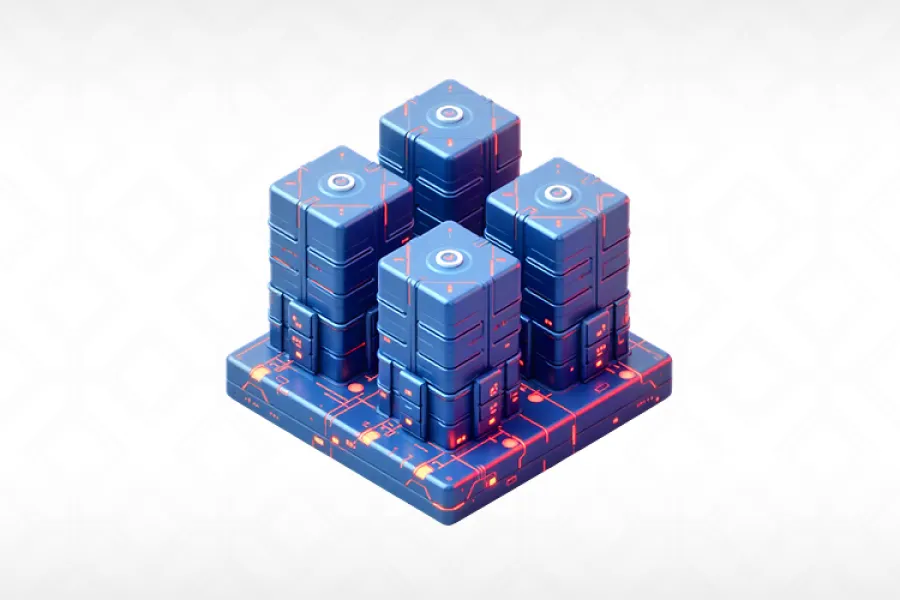
So, starting with a definition, on-chain refers to any activity, data, or transaction that is recorded on a blockchain. When something happens on-chain, it will become part of the blockchain's public log, allowing it to be viewed and verified by anybody who's running a node or using a blockchain explorer.
If you want to send cryptocurrency from one wallet to another, interact with a smart contract, or want to swap tokens on a decentralized exchange, this will count as on-chain activity. Once the activity is reported in the public Ledger, it cannot be altered or deleted. This permanence is one of the defining characteristics of blockchain technology. It can also help you to make savings on investments that you make. If, for example, you are looking into fixed savings from CoinEx, or another cryptocurrency platform, the “on-chain” recording will help to determine how trustworthy the fixed return (or the fixed savings) is likely to be. If it's not recorded, it is highly likely to be riskier, as there is no trace of it.
On-Chain vs Off-Chain Activity
At this stage, you may be thinking that you have also heard of off-chain activity when researching cryptocurrency online.
For comparison, off-chain activity occurs outside of the blockchain, and it's usually within a centralized platform or a private system. So, if an investor is aiming to trade cryptocurrency on a centralized exchange without withdrawing funds, these trades are usually recorded only in the exchange's internal database and not on the blockchain itself. So, if you are looking to invest without withdrawing, the crypto exchanges would likely be managed off-chain.
To simplify that a bit more, on-chain data is public and can be accessed by anybody, whereas off-chain data is typically kept private. The on-chain activity is likely to be independently verified, and off-chain activity relies more on trust. As well as this, off-chain assets or investments are usually controlled by independent platforms, rather than wallet keys, which is common with on-chain assets.
Knowing this distinction is crucial for investors, as on-chain activity highlights the use of the blockchain, whereas off-chain activity can prevent viewing of asset movement, as well as obscuring real ownership.
Why On-Chain Transparency Matters
As is the way with any investment, you, as a potential investor, will want everything to be transparent. One of the core benefits of having an on-chain system is the transparency. Traditional financial markets often rely on delayed reporting and intermediaries (like stockbrokers or financial advisors) to provide information. In stark contrast, a blockchain allows investors to observe the transactions and balances in near real time, allowing them to monitor large wallet movements as well as conduct independent auditing of smart contracts and protocols while also being able to verify token supply.
Investor Insight
Data that is on-chain has become a useful and powerful tool for investors. By being able to look through blockchain activity, they can see how the networks are being used and how the participants are interacting. Ergo, investors have the ability to analyze the data and make decisions.
What are they looking for when they analyze on-chain data? Usually, it is one of the following things.
- Active addresses - This is the number of wallets in a network.
- Transaction volume - The money that is being transferred on-chain.
- Wallet distribution - How are the tokens being spread among the holders?
- Exchange inflows and outflows - The movement of the assets to and from the exchanges.
It should be noted that these metrics can often provide investors with context that assessing a price chart alone cannot reveal. Rising on-chain activity during a flat price can indicate growing adoption, or the popularity of a chain, while large inflows to exchanges can point to selling pressure, showcasing that the value is going to drop.
Understanding Market Behavior
As blockchain records are public, another benefit is that investors will be able to observe how the different participants act during different market conditions, which, as before, can indicate the value of investing in a certain type of cryptocurrency.
As before, this means that all financial activity is transparent and rule-based. Thus, those who want to invest will also be able to look into decentralized finance, as this is also usually built on-chain, allowing for insight into lending, borrowing, and trading openly, rather than hearing about it through stock brokers.
Reduced Counterparty Risk
Last but not least, on-chain systems will reduce certain types of counterparty risks. When an asset is held in a self-custodied wallet and used on-chain, the investors are not relying on a centralized entity to safeguard the funds. Of course, this does not entirely eliminate the risk of smart contract vulnerabilities. However, it does change the nature of the risk from institutional trust to a technical understanding.
Why On-Chain Understanding Matters for Investors
For those who are new to the world of cryptocurrency, understanding on-chain activity will help them to see how the digital asset network’s function. It can help to differentiate between measurable usage and popularity of the cryptocurrency, rather than having to rely on hearsay or predictions, which can come from off-chain options.
In simple terms, this is more transparent, helping investors to go into this with their eyes open to risk, assisting them in making better crypto-based investments. So, understanding on-chain options and the benefits has moved from a technicality to a foundational part of investing in this area.
