
 BTC
BTC
 ETH
ETH
 LTC
LTC
 BCH
BCH
 DOGE
DOGE
 USDT
USDT
 DASH
DASH
 XRP
XRP
 USDC
USDC
 XMR
XMR
 TRX
TRX
 BNB
BNB
 SHIB
SHIB
 DAI
DAI
 ZEC
ZEC
 SOL
SOL
 ETC
ETC
 POL
POL
 XLM
XLM
 ADA
ADA
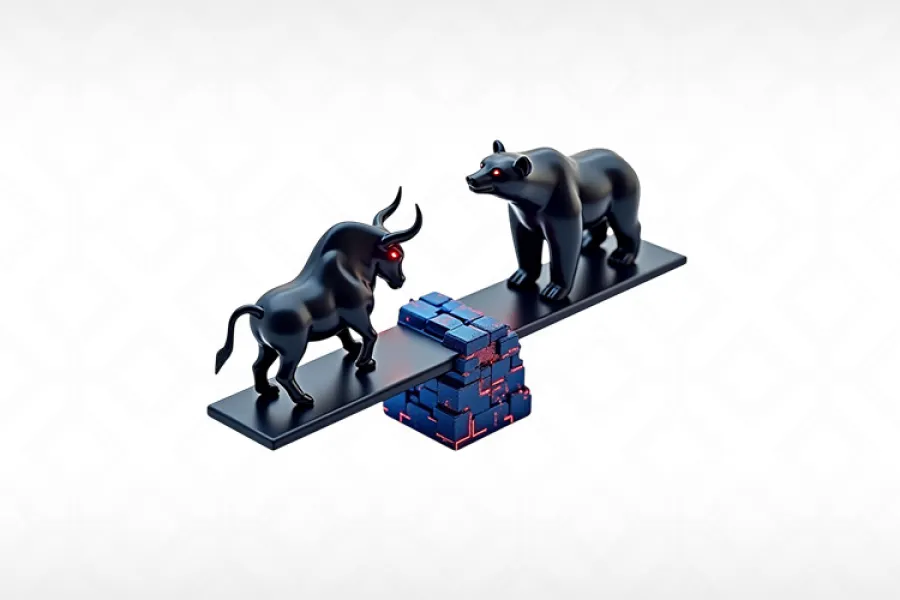
If you spend any time around investing conversations, you’ll hear people throw around “bull market” and “bear market” like they’re permanent states. That can make it feel like the U.S. is always one or the other. It’s also why people exploring tools like a day trading simulator often ask whether they’re practicing in the “right” market.
The truth is simpler and more interesting. The U.S. market has historically spent more time in bull markets than bear markets, but neither one lasts forever.
What Is a Bull Market?
A bull market refers to a sustained period when stock prices are rising. It’s usually tied to economic growth, strong corporate earnings, and positive investor sentiment.
Bull markets can last for years. During these stretches, investors often feel confident, buying activity increases, and headlines tend to lean optimistic. That upward momentum can create a sense that growth is the default setting. Still, even strong bull markets experience pullbacks and volatility along the way.
What Is a Bear Market?
A bear market is generally defined as a decline of 20 percent or more from recent highs. These periods are marked by falling prices, cautious investor behavior, and broader economic uncertainty.
Bear markets tend to feel more intense because losses happen faster than gains usually build. News cycles become more dramatic, and volatility increases.
While bear markets are shorter on average than bull markets, they can feel longer because of how sharp the declines are.
What Does History Tell Us About Market Patterns?
Looking at long-term data, the U.S. stock market has historically spent more years in bull markets than in bear markets. Growth periods tend to stretch out over time, while downturns are often more compressed.
That does not mean downturns are rare. They occur regularly, often in response to economic shocks, financial crises, or rapid shifts in monetary policy. Over decades, though, the overall trajectory of the U.S. market has trended upward despite periodic declines.
Why Does the Market Rarely Stay in One Mode for Long?
Markets move in cycles influenced by interest rates, consumer spending, global events, and investor psychology. When growth accelerates too quickly, corrections often follow. When pessimism deepens, recovery eventually begins.
This back-and-forth dynamic is part of how markets function. Neither bull nor bear conditions are permanent. Understanding this cycle helps remove the pressure to predict exact turning points.
How Do Economic Conditions Influence Trends?
Strong employment numbers, expanding GDP, and stable inflation often support bull markets. Confidence fuels investment, which can, in turn, support growth.
Conversely, recessions, tightening credit conditions, and geopolitical instability often contribute to bear markets. Investor behavior shifts from risk-taking to preservation.
Market direction is closely tied to the broader economic backdrop, even though it sometimes reacts ahead of official economic data.
How Do Headlines Skew Perception?
Bear markets tend to dominate headlines because downturns are dramatic. Sharp losses draw attention in ways steady growth does not.
Bull markets, especially long ones, can feel quieter even though they historically account for the majority of time. This imbalance in coverage can make it seem as if markets are constantly on the verge of decline.
Zooming out to long-term data often provides a clearer picture than reacting to daily news.
What This Means for Different Types of Investors
For long-term investors, historical trends show that staying invested through multiple cycles has often rewarded patience. The broader upward trajectory has historically outweighed temporary declines.
Short-term traders operate differently. They focus on price movements within days or weeks rather than decades. In that context, both bull and bear markets present opportunities and risks.
The key difference lies in the time horizon and strategy, not in guessing which label applies at every moment.
Making Informed Trading Decisions
The U.S. market has historically spent more time in bull markets than bear markets, but it regularly cycles through both. Growth and contraction are built into how capital markets function. They reflect shifts in innovation, productivity, policy, and human behavior over time.
What often gets overlooked is how resilient the system has been across generations. The market has absorbed wars, recessions, political transitions, technological disruptions, and global crises. Each downturn has felt defining in the moment, yet over longer stretches, the market has continued to adapt and evolve.
Instead of asking whether the U.S. is “usually” in one state or the other, it is more useful to think in terms of participation over time. Markets don’t move in straight lines, but they do respond to long-term forces like population growth, entrepreneurship, and corporate expansion. Those forces don’t disappear during downturns. They slow, adjust, and eventually reassert themselves in new ways.
Bull and bear markets aren’t opposing identities. They’re phases within a larger economic story that keeps unfolding. Understanding that a broader arc helps shift the focus away from labeling the current moment and toward recognizing how each phase fits into a much longer trajectory.
