
 BTC
BTC
 ETH
ETH
 LTC
LTC
 BCH
BCH
 DOGE
DOGE
 USDT
USDT
 DASH
DASH
 XRP
XRP
 USDC
USDC
 XMR
XMR
 TRX
TRX
 BNB
BNB
 SHIB
SHIB
 DAI
DAI
 ZEC
ZEC
 SOL
SOL
 ETC
ETC
 POL
POL
 XLM
XLM
 ADA
ADA
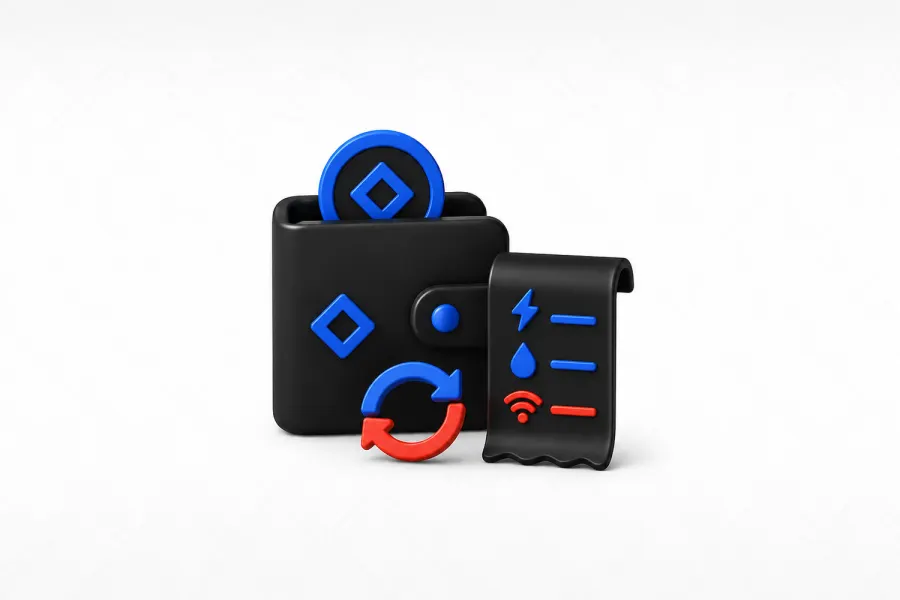
Converting crypto gains from trading in the $2.4 trillion market into cold, hard cash to cover monthly liabilities requires a repeatable pipeline rather than a series of frantic, manual trades. When market volatility strikes, relying on manual execution introduces human error and emotional decision-making. Setting up an automated off-ramp ensures your local fiat currency lands in your checking account exactly when your service providers demand payment.
The Friction in Digital Off-Ramping
Most digital asset investors focus heavily on the accumulation phase while completely neglecting the exit strategy. Moving wealth from a decentralized ledger to a legacy banking network involves navigating liquidity bottlenecks and clearing times. Navigating stablecoin off-ramp payment infrastructure reveals significant friction points when moving digital assets back into traditional banking structures.
This friction becomes particularly problematic when you face fixed monthly obligations like education debt or housing costs. Before you automate your monthly liquidation strategy, it helps to lower your baseline expenses as much as possible. This will differ for each individual.
If you’ve got significant education-related debt, exploring options like student loan refinancing can shrink your fixed monthly obligations and reduce the total amount of crypto you need to liquidate during market downturns, for example. Lowering that monthly hurdle gives your digital portfolio more breathing room to compound over time.
Constructing the Automated Settlement Pipeline
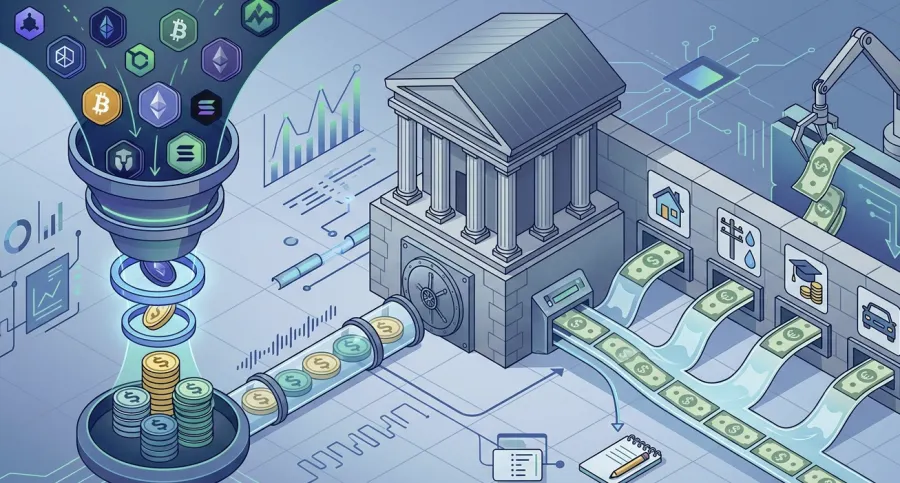
Building a dependable off-ramp requires connecting a compliant exchange, a dollar-pegged intermediary asset, and an automated clearing house system. This setup removes the temptation to time the market every time your rent or utility bills are due.
You can establish this pipeline by implementing a few foundational structural changes:
- Convert a portion of volatile tokens into dollar-pegged stablecoins on a set schedule
- Establish a recurring sell order on a fully compliant fiat exchange
- Link your exchange account to a traditional checking account via automated ACH transfers
Relying on stablecoins prevents your bill money from evaporating during an overnight market correction. Industry tracking shows that stablecoins move over $4 trillion annually through global payment networks, proving their utility as reliable tools for capital preservation. By routing your earnings through these dollar-pegged assets, you decouple your immediate living expenses from daily market charts.
Managing Capital Gains and Banking Triggers
Regularly moving fiat currency from a digital asset platform into a standard bank account will eventually catch the eye of risk algorithms and tax authorities. Traditional banks often flag consistent incoming ACH transfers from digital asset exchanges as suspicious activity if the account lacks a clear profile.
To mitigate this risk, keep your bill-paying capital separate from your daily trading funds. Use a dedicated checking account solely for receiving off-ramped fiat and distributing it to service providers. You should also maintain a running ledger of every conversion to accurately calculate your cost basis, especially in the wake of crypto’s growing mainstream adoption last year.
Streamlining Your Crypto Lifestyle Accounts
Transitioning to a lifestyle funded partly by digital assets requires treating your portfolio like a business treasury. Every automated liquidation creates a taxable event, meaning your software pipeline must track capital gains alongside your outgoing payments.
Once your automated ACH transfers hit your dedicated bank account, you can set up standard bill-pay features with your utility companies, lenders, and landlords. This approach bridges the gap between decentralized finance and legacy systems, allowing your digital portfolio to quietly fund your daily reality. Our site is packed with posts about making the most out of crypto assets, so read more of our content.
