
 BTC
BTC
 ETH
ETH
 LTC
LTC
 BCH
BCH
 DOGE
DOGE
 USDT
USDT
 DASH
DASH
 XRP
XRP
 USDC
USDC
 XMR
XMR
 TRX
TRX
 BNB
BNB
 SHIB
SHIB
 DAI
DAI
 ZEC
ZEC
 SOL
SOL
 ETC
ETC
 POL
POL
 XLM
XLM
 ADA
ADA
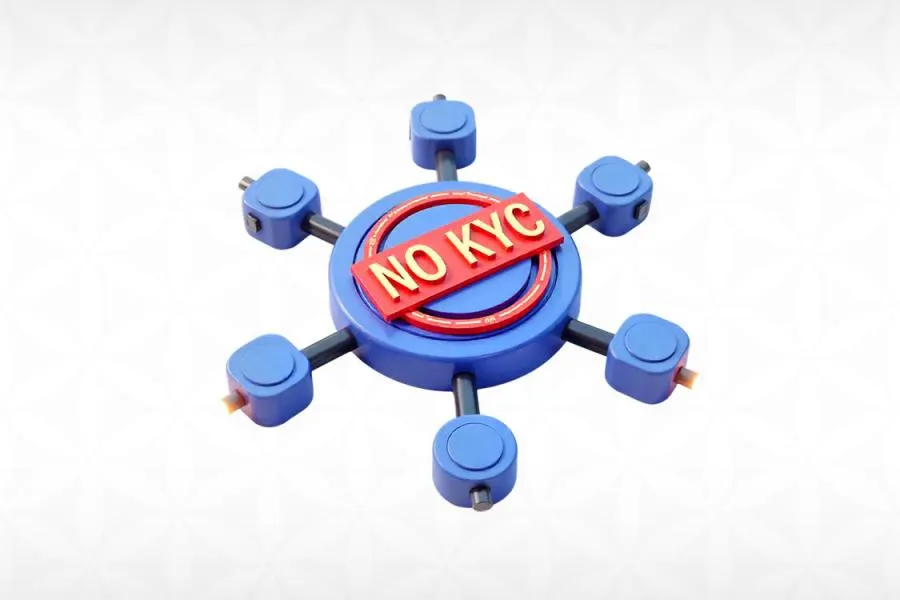
The demand for privacy-friendly crypto trading has grown significantly in recent years. While most large exchanges require Know Your Customer (KYC) verification, many users still prefer to swap assets without disclosing their personal information. Whether for security reasons, accessibility, or speed, avoiding KYC has become a priority for part of the crypto community.
Below, we’ll explore how to safely and effectively swap crypto without KYC, which platforms support such transactions, and what risks to be aware of.
A Trusted Starting Point
The easiest way to begin is with coinexchangecanada.ca, a platform that enables users to swap crypto quickly without requiring a lengthy identification process. Unlike many centralized exchanges, where registration can take days, the process here is smooth, secure, and privacy-oriented. This makes it appealing to both newcomers and experienced traders who don’t want to expose their personal data.
By offering a balance of simplicity, competitive exchange rates, and fast settlement times, it serves as a practical entry point for no-KYC crypto swaps.
Why People Avoid KYC
There are several reasons why crypto users seek out no-KYC solutions:
- Privacy – Handing over government IDs, selfies, or proof of address creates unnecessary exposure. For many, this undermines the very principles of decentralized finance.
- Speed – Without KYC, transactions can be initiated immediately, instead of waiting hours or even days for approval.
- Global access – In certain regions, citizens may lack the documents required by major exchanges, making no-KYC platforms their only gateway to digital assets.
- Security – Every centralized database of personal information is a potential target for hackers. Reducing the number of places holding your data lowers risk.

Centralized Exchanges with Minimal Verification
Some centralized exchanges allow limited activity without identity checks. Platforms like MEXC, Bybit, and PrimeXBT are well-known examples. Typically, they let users trade and withdraw up to specific limits before requiring additional verification.
For instance, MEXC offers thousands of trading pairs and deep liquidity, while Bybit is popular for derivatives and leveraged products. PrimeXBT takes things further by allowing traders to access not only cryptocurrencies but also global indices and commodities, all with minimal onboarding requirements.
The trade-off is that these exchanges may impose withdrawal caps for unverified accounts, and they can change their policies at any time due to regulatory pressure.
Decentralized Exchanges (DEXs)
Decentralized exchanges remain one of the most popular methods for avoiding KYC. They operate without custodians and require no personal data. Instead, users connect their wallets and trade directly on-chain. Coinexchangecanada can be used alongside DEXs for quick crypto swaps, offering a convenient complement to fully decentralized trading.
Uniswap continues to dominate on Ethereum, giving access to thousands of ERC-20 tokens. PancakeSwap offers a cheaper and faster alternative, running on BNB Chain with lower fees. dYdX has gained popularity for its decentralized derivatives platform, offering perpetual contracts to users who want more advanced tools without identity checks.
The benefits of decentralized exchanges are clear: instant access, no accounts, and complete control over funds. However, risks such as high gas fees, impermanent loss, or brilliant contract exploits should not be overlooked.

Non-Custodial Swap Services
Another option for privacy-conscious traders is non-custodial swap platforms such as Changelly, SimpleSwap, and FixedFloat. These services don’t require account creation. Instead, you simply enter the coins you want to swap, provide your receiving wallet address, and complete the exchange.
This model is well-suited for users who require only quick conversions and prefer not to manage complex trading dashboards. The drawback is that such services usually include higher fees or spreads, which can add up over time.
Peer-to-Peer Trading
Peer-to-peer (P2P) markets are among the most private methods of swapping crypto. Platforms like Hodl Hodl and Bisq enable users to buy and sell directly, utilizing escrow to protect both parties involved in the trade.
The advantages include:
- True anonymity, since no central authority holds your personal data.
- Flexibility in payment methods, including local bank transfers or even cash deals.
The disadvantages are slower settlement times, less liquidity, and the need for careful selection of trustworthy counterparties.
Key Safety Practices
Privacy should never come at the expense of security. To swap crypto without KYC safely:
- Always use reputable platforms with strong reviews.
- Test with small amounts before committing larger sums.
- Store your crypto in self-custody wallets rather than leaving it on exchanges.
- Verify wallet addresses carefully before sending funds.
- Consider using VPNs and privacy browsers for additional protection.
Risks to Be Aware Of
While no-KYC swaps are convenient, they carry certain risks:
- Regulatory uncertainty – Governments may restrict or shut down platforms at any time.
- Limited fiat support – Most privacy-friendly platforms focus solely on crypto-to-crypto swaps.
- Potential scams – Especially in P2P trading, there is always a risk of fraudulent activity.
Understanding these risks is essential before committing to no-KYC swaps.
FAQs
Is swapping crypto without KYC legal?
It depends on where you live. In many countries, decentralized exchanges and wallet-to-wallet swaps are legal, but centralized no-KYC exchanges may face restrictions.
Can I buy crypto with fiat without KYC?
It’s challenging. Most fiat gateways require KYC, though P2P marketplaces sometimes allow it with alternative payment methods.
Are no-KYC exchanges safe?
Reputable services like coinexchangecanada.ca, Uniswap, or Changelly are generally safe, but you must always do your own research.
What are typical withdrawal limits without KYC?
On centralized exchanges, limits vary from around 1 to 5 BTC per day for unverified accounts. On decentralized and swap services, there are usually no such caps.
Which is the most private method?
Using decentralized exchanges with your own wallet remains the most private way to swap crypto, as it requires no accounts or documents.
Conclusion
Swapping crypto without KYC is not only possible but also becoming a preferred option for many traders who value privacy, speed, and accessibility. From centralized exchanges with minimal verification to decentralized platforms, non-custodial swap services, and P2P markets, there are several reliable paths to explore.
The key is to weigh the benefits against the risks, choose platforms carefully, and always keep your assets under your own control. With the right approach, no-KYC swaps can be both safe and efficient.
