
 BTC
BTC
 ETH
ETH
 LTC
LTC
 BCH
BCH
 DOGE
DOGE
 USDT
USDT
 DASH
DASH
 XRP
XRP
 USDC
USDC
 XMR
XMR
 TRX
TRX
 BNB
BNB
 SHIB
SHIB
 DAI
DAI
 ZEC
ZEC
 SOL
SOL
 ETC
ETC
 POL
POL
 XLM
XLM
 ADA
ADA
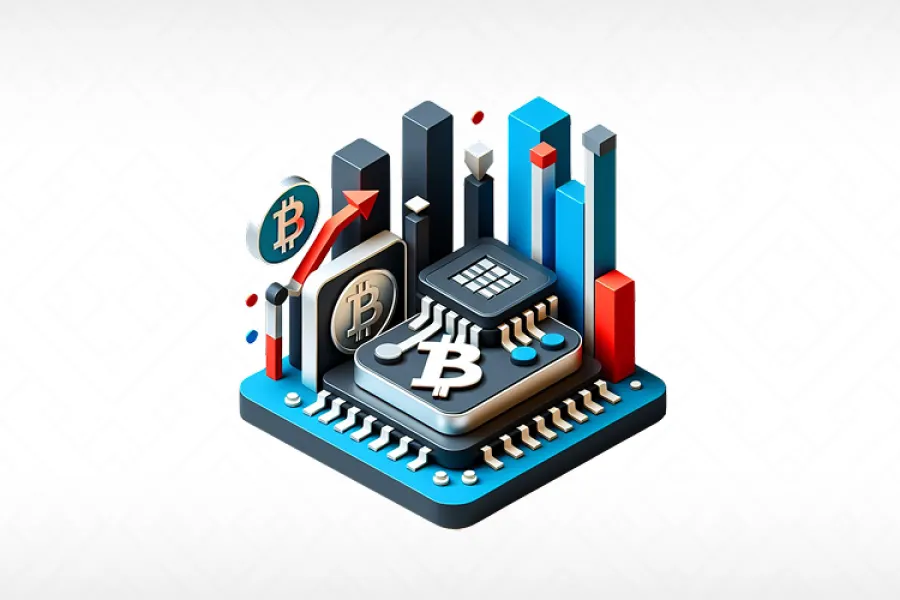
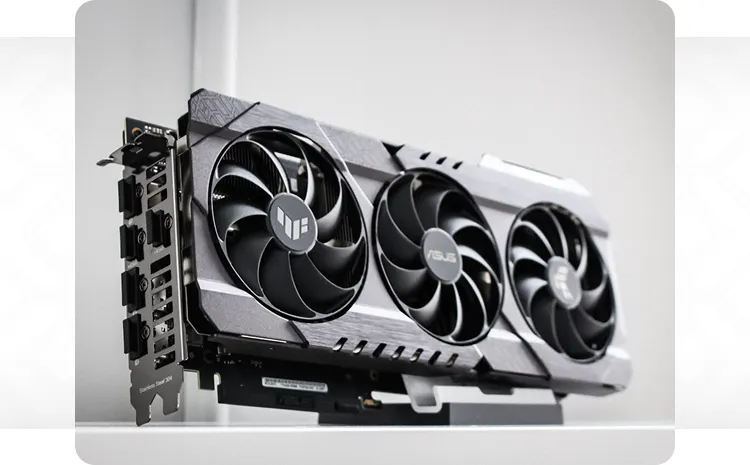
In the past, hardware prices worked differently. When the new GPU hit the market, the previous version went on a discount, while the new one took a price that was fairly similar to the one that the last-gen previously held.
After BTC exploded in 2017, the market changed completely. Depreciation suddenly stopped hitting the last-generation GPUs as hard, and they started retaining their price even after a superior version hit the shelves. The only difference is that the newer version now costs significantly more.
Sure, when BTC is not doing well, the costs go down, but never as low as they would have been before - after all, hardware has a utility independent of crypto prices.
But it’s not just the GPU. Unless you’re just buying a mining rack, you need everything else that can match. In other words, even gamers and individual users have to up their game and get a better CPY, more memory, and a stronger power supply. In other words, this increase in average industry costs goes deeper than you originally thought.
Still, this is merely a surface, and here’s how the new crypto boom might drive hardware costs even higher.
More assets than ever before
Hardware prices no longer depend on just one crypto asset. When BTC moved, everything followed. Now, that’s no longer the case. The crypto market has diversified, with different assets influencing hardware demand differently. If one coin crashes, another might boom, keeping demand consistently high.
It’s not just BTC and ETH either; some people are looking for the best altcoins for long-term gains instead. Coins like Solana, Avalanche, and Cardano have built their own mining and staking ecosystems. Miners are no longer just hoarding GPUs for Bitcoin - some networks require alternative setups, like SSD-heavy mining or ASICs, which adds strain across different types of hardware, not just graphics cards.
Coins are not the only factor driving costs; crypto regulations and blockchain advancements are also contributing. Investors respond as governments roll out policies to control or encourage crypto adoption. Regulatory clarity attracts more capital, which means more mining and staking activity. Blockchain upgrades - like Ethereum’s move to Proof-of-Stake - don’t eliminate hardware demand; they just shift it to different tools, like validator nodes and high-performance servers.
These factors drive costs up (slower and more reliably than before), and they no longer depend on just one trend. The old days of price spikes tied to Bitcoin halving cycles are fading. Now, hardware prices stay elevated due to various factors, from DeFi growth to institutional adoption. Even if BTC takes a breather, something else will pick up the slack.
Higher mining difficulty, more power demand
More miners mean higher network difficulty, requiring more powerful rigs. Mining isn’t as simple as plugging in a few GPUs anymore. As more miners join the network, the difficulty increases, making older setups obsolete faster. To stay competitive, miners constantly upgrade their rigs, and that never-ending cycle pushes demand through the roof.
Efficient mining now requires better GPUs and ASICs, driving up demand. You can’t just rely on any old hardware anymore. The latest mining algorithms require cutting-edge equipment that performs better and consumes less power. ASICs, in particular, are in constant demand, and every new generation makes the last one look outdated, keeping prices high.
Electricity costs add another layer of expense, further increasing total investment. Mining isn’t just about hardware—it’s about keeping that hardware running efficiently. Power-hungry GPUs and ASICs mean rising electricity bills, and miners need high-efficiency setups to remain profitable. That demand fuels a market for specialized power supplies, better cooling systems, and even energy-saving mining farms.
More advanced cooling situations are needed, increasing hardware and operational costs. Mining generates heat - lots of it. Running full-scale mining operations without proper cooling is a recipe for disaster. Liquid cooling, industrial fans, and even immersion cooling setups are becoming necessary, adding even more expenses to an already costly operation.
Crypto adoption fuels hardware demand
More businesses accepting crypto means more transaction processing. Every time a business adds crypto payments, it needs infrastructure to handle transactions securely. Whether it’s an online retailer, a VPN service, or an email provider, they need better servers and stronger encryption to process and verify blockchain-based payments, which increases demand for high-performance hardware.
Subscription services like VPNs and secure email providers are integrating crypto payments. Privacy-focused users often prefer paying for services with Bitcoin or Monero to keep their identities hidden. However, processing these transactions requires blockchain nodes, encryption-heavy systems, and secure storage solutions. That means companies in this space have to invest in hardware upgrades just to keep up.
Crypto-friendly businesses create demand for decentralized infrastructure. More companies are moving toward blockchain-based authentication, decentralized cloud storage, and smart contracts to improve security and efficiency. VPN services experimenting with decentralized servers or email providers offering blockchain-based verification need high-end computational power, contributing to the growing strain on hardware supply chains.
Even everyday transactions add to the problem. The more people use crypto for routine purchases, the more processing power is needed to verify those transactions. Payment gateways, decentralized exchanges, and wallet providers require robust systems that demand cutting-edge CPUs, GPUs, and specialized cryptographic accelerators - driving higher hardware costs.
Not just GPUs but everything else too
To function efficiently, mining rigs need better CPUs, memory, and power supplies. It’s easy to assume that only GPUs are in demand, but that’s not the case. A proper mining rig needs a CPU to handle processing, RAM to support operations, and a power supply that won’t fry the whole setup. All of this adds to the growing demand.
Increased demand for high-performance parts impacts the gaming and general computing markets. It’s not just miners buying up components—gamers and professionals are feeling the heat, too. High-end CPUs and RAM that would have been reasonably priced are now selling at a premium because manufacturers can’t keep up with the demand from both markets simultaneously.
Even SSDs and motherboards are seeing price hikes due to mining-related needs. Some mining setups, like CHia farming, depend on SSDs instead of GPUs. That means even storage drives (normally unaffected by crypto trends) are now part of the problem. Motherboards with multiple PCIe slots are also in high demand, driving up costs across different categories of PC components.
Retail availability suffers as bulk orders clear out inventories. Individual buyers looking to build or upgrade their PCs face shortages and inflated prices. Large-scale mining operations place bulk orders directly with manufacturers, wiping out stock before it even hits retail shelves. This leaves casual buyers with fewer choices and higher price tags.
Wrap up
So, what does all this mean for hardware prices moving forward? Unless something drastic changes, they’re not coming down anytime soon. Crypto isn’t just about mining rigs anymore - blockchain adoption, enterprise use, and decentralized applications are creating new demand at every level. Even if Bitcoin’s price crashes, there are too many other factors keeping hardware expensive.
