
 BTC
BTC
 ETH
ETH
 LTC
LTC
 BCH
BCH
 DOGE
DOGE
 USDT
USDT
 DASH
DASH
 XRP
XRP
 USDC
USDC
 XMR
XMR
 TRX
TRX
 BNB
BNB
 SHIB
SHIB
 DAI
DAI
 ZEC
ZEC
 SOL
SOL
 ETC
ETC
 POL
POL
 XLM
XLM
 ADA
ADA

Stop worrying about where your personal data goes after an online purchase; the decentralized web is building an impervious shield around your transactions. The fundamental shift to these robust payment systems empowers you, the consumer, while offering merchants global security and unprecedented efficiency.
The conversation around cryptocurrency has evolved past speculative investing and into real-world utility for global commerce. While market activity, as reflected in frequent updates to the bitcoin price live tracker, continues to drive headlines, the actual value for merchants lies in the underlying technological shift.
This focus is on creating a secure and streamlined payment experience for online shoppers and tech-savvy consumers worldwide.
Escaping Centralized Data Risk
Ask yourself: Are you sick of receiving notifications of security breaches that occur every other day? You, as a consumer, are the most precious commodity that a hacker can steal.
This is especially true when it comes to traditional methods of paying for goods and services. A credit card transaction involves you providing very personal information that is stored on a company's remote server.
This provides a tempting central honeypot for hackers.
Instead, decentralized networks reverse this paradigm. This ensures that a merchant never stores your payment information.
The whole design of this system is to move where your dependency rests, from a centralized point to a network. Rather than putting your dependency on a coffee shop owner to pay with your credit card, you are putting it in mathematics. This completely ensures your privacy with every click of 'pay'.
Your Transaction is Final and Safe
Imagine a receipt that no one, not even the merchant, can tear up or secretly alter. That is the core power of blockchain immutability. Once the network validates a digital transaction, it is cryptographically bundled and added to the chain, becoming permanent.
This irrevocable process results in a transparent record. This assists in a vast amount of savings in chargebacks as well as in dispute resolution. This level of transparency and finality does not exist in legacy systems.
According to data from Binance Research, crypto payment adoption in the e-commerce segment has grown by 38% over the past year (published September 2025), a clear sign that businesses are moving toward a model in which the transaction record cannot be corrupted.
Cutting the Middleman Cost
Think about the last time an international payment or refund took days. That lag is a direct result of funds passing through multiple intermediary banks before reaching their final destination. Transfers initiated on a weekend or public holiday often stall until business hours resume.
Digital currencies do not have middlemen. Transfers of funds take place from your wallet to the vendor’s wallet. This takes place instantaneously. No fees are charged.
This speed not only meets your modern desire for instant gratification but also greatly enhances a company's cash flow. By removing third parties, the system minimizes friction and costs at the same time, encouraging global adoption.
As Binance Co-CEO Yi He noted on 8 December 2025:
"From the very beginning, our vision at Binance has been to spread the freedom of money to people from all across the globe. Seeing Binance reach 300 million users today is incredibly meaningful because it shows how far we’ve come together as a community. But this milestone is not the finish line; it’s a reminder that our mission remains as urgent and important as ever."
The Commerce Power of Bitcoin and Stablecoins
Although the volatility of major cryptocurrencies might worry merchants, stablecoins provide a solution. These digital assets are really tied to fiat currency, ensuring stable prices. As a result, they are well-suited for precise B2B invoicing and everyday retail payments.
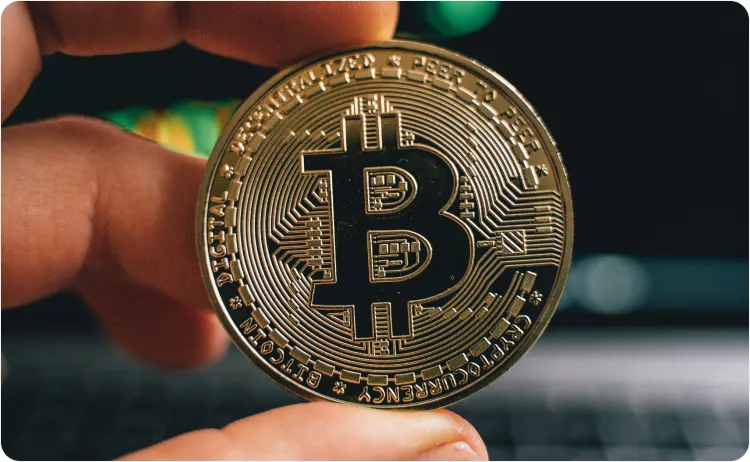
Bitcoin remains the most recognized digital asset for global commerce. Its maturity and market leadership offer reliability to businesses considering crypto integration. Commerce directories track adoption metrics, showing that over 18,000 companies globally accept Bitcoin payments as of September 2025.
This metric proves its practicality for retail and B2B commerce.
Furthermore, these systems address a massive global inclusion problem. The current global average cost of sending a small remittance is estimated at 6.49% (IFAD, 2024). Decentralized transfers dramatically reduce this fee burden, making global services accessible to millions who are currently priced out of the traditional financial system.
Automating Your Financial Future
The conventional boundaries between finance and decentralized finance are being removed. This integration of finance is essential for a bright and prosperous future of world business. The current aim for all businesses, including finance, is to integrate smart contracts.
This means your future purchases could happen with zero clicks, since your secure digital wallet would automatically execute a trusted contract for payments. This represents the next evolution of a payments system that puts you, as a customer, first.
Ultimately, this adoption of technology is shaping a more inclusive and efficient global economy, thanks to decentralized security.
