
 BTC
BTC
 ETH
ETH
 LTC
LTC
 BCH
BCH
 DOGE
DOGE
 USDT
USDT
 DASH
DASH
 XRP
XRP
 USDC
USDC
 XMR
XMR
 TRX
TRX
 BNB
BNB
 SHIB
SHIB
 DAI
DAI
 ZEC
ZEC
 SOL
SOL
 ETC
ETC
 POL
POL
 XLM
XLM
 ADA
ADA
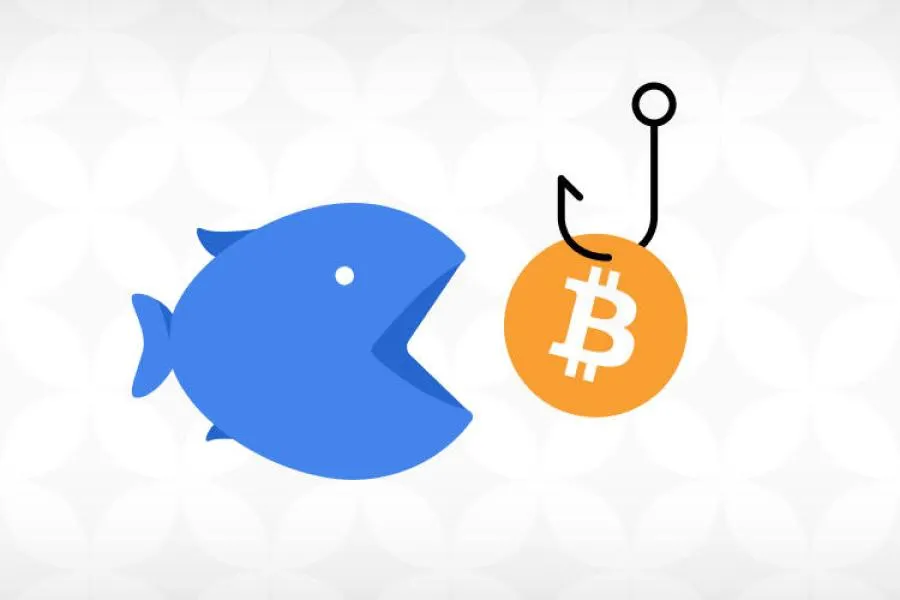
Scammers have been in existence from the get-go; only now, they want to get paid in cryptocurrency. Scammers are devising new ways to rob cryptocurrency investors of their digital assets, thus you want to be careful.
Someone new to the cryptocurrency market can easily fall prey to these scams because they appear legit upfront. However, by understanding how cryptocurrency scams work by reading through posts on Paybis, you can detect them and save yourself from falling victim.
Common Cryptocurrency Scams and How They Work
There are different tactics used by scammers to defraud people dealing or investing in cryptocurrency; investment scams are the most common. However, these scammers are legitimizing themselves so to say that they are also impersonating government agencies and businesses.
Below are the common cryptocurrency scams out there and how they work.
Fake Crypto Exchange Platforms
Here, scammers create a fake cryptocurrency trading platform or the fake version of a real website. The fake websites have similar features but with different domain names, and they appear so legitimate it is hard to differentiate. Fake websites operate through phishing pages, tricking investors to provide their details, including their wallet’s password and recovery phase.
They can also engage in direct theft, where you will be allowed to withdraw a small amount of money. However, after a while, the site will either start declining your request to withdraw or it shuts down entirely.
Pump and Dump
This type of scam involves overhyping a particular digital coin or token through social media or email. They promise unrealistic discounts that, in order not to miss out, traders rush into buying cryptocurrency. Once they succeed in inflating the cryptocurrency price, the scammers will sell their holdings, causing a crash in the asset’s value.
Giveaway
Another way scammers operate is through giveaways and promises to multiply digital currencies sent to them. They coin a clever message from what appears to be a legitimate social media account, sparking a sense of urgency. People, not wanting to miss out on the once-in-a-lifetime opportunity, start transferring funds, hoping for an instant return.
Phishing
In this type of scam, scammers are after sensitive information relating to online wallets, particularly private keys. Phishing scams work like phishing attempts on fake crypto websites where they trick traders into providing their login and transaction details. They lure users to a website that requires imputing sensitive wallet information, which they use to steal the assets in it.
Fake Endorsements
Scammers also claim endorsements from celebrities, influencers, and businesspeople to gain people’s trust. These scams are often hard to detect because they show glossy, sophisticated websites and brochures claiming endorsements from household names like Elon Musk.
Cloud Mining
In cloud mining scams, fake cloud mining companies mimic the real ones. Cloud mining companies typically let you rent mining hardware at a fixed rate and share of the profit you make. Theoretically, you mine crypto without buying the typically expensive mining hardware. In cloud mining scams, the hardware is ineffective and you lose money or earn less than promised.
Detecting Cryptocurrency Scams
The best way to avoid falling prey to cryptocurrency scams is by paying attention to the red flags. Below are the warning signs of cryptocurrency scams to look out for:
- The crypto offering promises guaranteed returns; there are no guaranteed returns in the cryptocurrency business.
- The cryptocurrency has a poor or non-existent whitepaper; the whitepaper explains the design of the coin and how it works.
- The crypto offering is doing “too much” advertising – aggressive marketing is different from desperate marketing, and knowing the difference will help you. Crypto scams tend to make too many promises and extravagant claims with nothing to back them up.
- The crypto offering promises free money; the crypto investment opportunity promising free money is most likely fake.
- When you can’t put a face to the team members of a crypto business, like finding their biographies, you should run.
Protecting Yourself from Crypto-Related Scams
Cryptocurrency scams are not easy to spot; not unless you activate your detective spirit. Thus, below are tips on how to avoid cryptocurrency scams, preventing your assets from getting overrun by phishers and thieves:
- Have a wallet that gives you full access to your private keys, and never share these with anyone – not even the federal government.
- If you are using a crypto app or platform for the first time, don’t send large amounts of assets at once. Start small to confirm the site’s legitimacy, and don’t overlook any suspicious activity on a website or app.
- If how the cryptocurrency works is unclear, don’t invest – or at least do more research first.
- Don’t get fazed by the urgency in crypto offerings; take your time and do in-depth research. Only make a move to invest (or whatever you intend to do) when you are satisfied with your research.
- While official platforms like Apple App Store and Google Play Store also have fake apps, they are still the best option for downloading apps. Thus, download cryptocurrency applications from these official websites only.
Conclusion
Cryptocurrency scams are not easily recognizable; that is one important thing you need to know. People fall victim to bad crypto investment not because blockchain technology is losing its touch, but because of these scams. Thus, take your time and research thoroughly any cryptocurrency app, website, exchange, or offering before making a move.
