
 BTC
BTC
 ETH
ETH
 LTC
LTC
 BCH
BCH
 DOGE
DOGE
 USDT
USDT
 DASH
DASH
 XRP
XRP
 USDC
USDC
 XMR
XMR
 TRX
TRX
 BNB
BNB
 SHIB
SHIB
 DAI
DAI
 ZEC
ZEC
 SOL
SOL
 ETC
ETC
 POL
POL
 XLM
XLM
 ADA
ADA
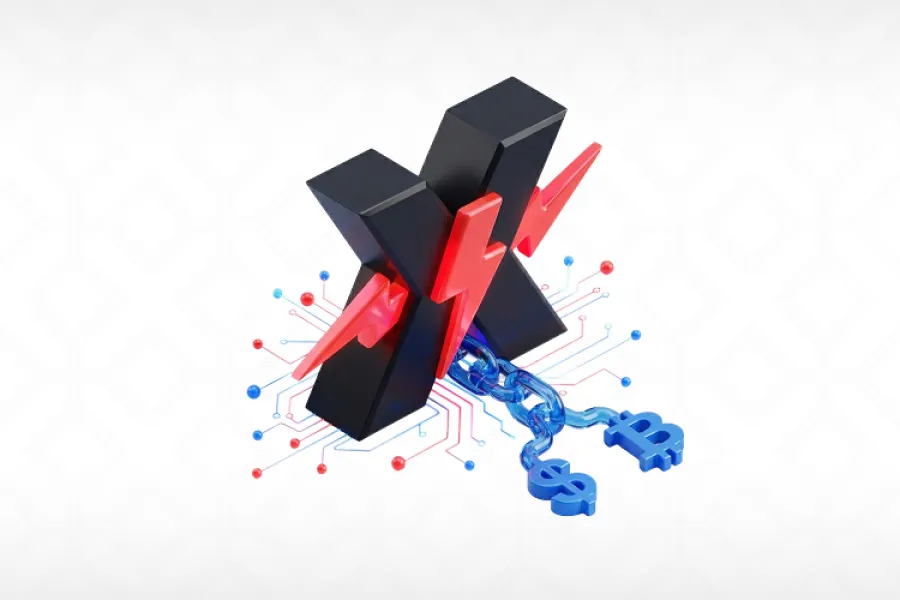
The cryptocurrency industry is entering a new phase where infrastructure, regulation, and real-world usage are evolving simultaneously. Recent developments show a clear shift toward payment-focused blockchain systems, regulatory clarity in the United States, and the expansion of social platforms into financial services.
Payment-Focused Blockchains Are Redefining the Market
A new wave of blockchain networks is emerging — not for tokens or general-purpose ecosystems, but specifically for payments. Traditional, universal blockchains are increasingly seen as insufficient for meeting the strict requirements of banks, fintech companies, and large enterprises.
Major players are already building specialized solutions. Circle is developing Arc, a network designed for institutional use cases, while Stripe, in collaboration with Paradigm, has launched Tempo, a payment-oriented blockchain aimed at businesses. At the same time, other projects are targeting niche areas such as foreign exchange settlements and private payment systems.
This trend signals a structural shift in the market. Instead of competing to build a single universal blockchain, companies are now focusing on owning and optimizing specific layers of the financial infrastructure. The competition is moving away from “one chain for everything” toward tailored ecosystems designed for efficiency, compliance, and scalability in payments.
U.S. Regulators Bring Clarity to Crypto Asset Classification
In parallel with infrastructure development, regulators in the United States are taking steps to clarify the legal status of major cryptocurrencies. The Securities and Exchange Commission (SEC) and the Commodity Futures Trading Commission (CFTC) have introduced a new classification framework that identifies 16 major crypto assets as “digital commodities.”
The list includes Bitcoin (BTC), Ethereum (ETH), XRP, Solana (SOL), Cardano (ADA), Avalanche (AVAX), Polkadot (DOT), Chainlink (LINK), Litecoin (LTC), Bitcoin Cash (BCH), Stellar (XLM), Hedera (HBAR), Tezos (XTZ), Dogecoin (DOGE), Shiba Inu (SHIB), and Aptos (APT).
This classification is significant because it helps define which assets are not considered securities under U.S. law. For the market, this reduces regulatory uncertainty and provides clearer guidelines for exchanges, institutional investors, and developers working with these assets.
Greater clarity from regulators is often seen as a key driver for adoption, as it lowers legal risks and encourages more traditional financial players to enter the crypto space.
X Launches Social Payments Beta — Bitcoin Integration Expected
Another important development comes from X (formerly Twitter), which has officially launched its social payments system in beta. The platform, led by Elon Musk, is gradually transforming into a financial ecosystem where users can send and receive payments directly within the app.
While the current beta focuses on fiat-based transactions, expectations are growing that cryptocurrency — particularly Bitcoin — could be integrated in the near future.
If implemented, this would mark a major step toward mainstream crypto adoption. With X’s global user base, even partial crypto integration could introduce digital assets to millions of new users and significantly expand everyday use cases for cryptocurrency payments.
Why It Matters
These three developments highlight a broader transformation of the crypto industry:
- Infrastructure is becoming specialized, with payment-focused blockchains replacing universal models for real-world finance
- Regulation is becoming clearer, especially in key markets like the United States, reducing uncertainty for major assets
- Adoption is expanding beyond crypto-native platforms, as large social networks begin integrating financial services
Together, these trends indicate that crypto is moving closer to becoming a core part of global financial infrastructure, rather than remaining a niche or experimental technology.
The next stage of the industry will likely be defined not by speculation, but by usability, compliance, and integration into everyday financial systems.
