
 BTC
BTC
 ETH
ETH
 LTC
LTC
 BCH
BCH
 DOGE
DOGE
 USDT
USDT
 DASH
DASH
 XRP
XRP
 USDC
USDC
 XMR
XMR
 TRX
TRX
 BNB
BNB
 SHIB
SHIB
 DAI
DAI
 ZEC
ZEC
 SOL
SOL
 ETC
ETC
 POL
POL
 XLM
XLM
 ADA
ADA
Crypto traders in the U.S. rely on analysis platforms to help interpret market data, monitor their positions, and make more informed and disciplined decisions. With regulatory uncertainty, exchange failures, and increased tax scrutiny shaping the landscape, choosing the right platform matters as much as how you use it. The best tools do not promise profits; they give you clarity, transparency, and control. Below is a practical, neutral checklist of the features that genuinely matter.
Core Charting Tools That Make Market Data Usable
A reliable platform should provide chart types such as candlestick, line, and depth charts, as well as the ability to adjust timeframes for both intraday and long-term views. Clear charting is essential when comparing price action across exchanges or tracking volatility around major events. U.S. traders often require rapid access to accurate data, rather than advanced visual effects that can introduce noise and distortion.
Customisable Indicators With Transparent Calculations
If you rely on RSI, MACD, moving averages, or on-chain metrics, the platform should allow you to adjust variables and clearly disclose how each indicator is computed. Many platforms now integrate sentiment or AI-driven indicators; these are only useful when their methodologies are transparent. Hidden formulas make it challenging to build repeatable strategies or audit your decisions later.
Data Reliability: Coverage, Accuracy, and Latency
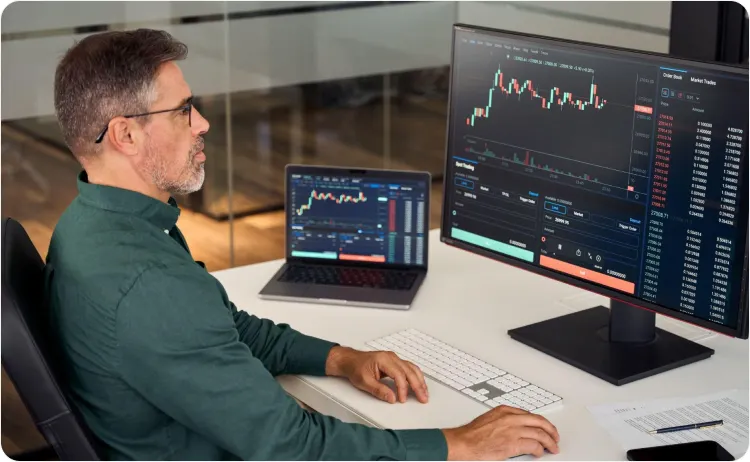
Reliable data is central to any analysis workflow: Look for platforms that publish their exchange list, latency levels, and data sourcing policies. U.S.-based traders, especially, benefit from tools that support regulated or U.S.-accessible exchanges and display accurate historical records. After past exchange failures, transparency around data integrity and uptime has become as important as the data itself.
Support for U.S. Compliant Exchanges and Trading Pairs
Not every global platform offers full features to U.S. residents. Some restrict derivatives, certain tokens, or specific analytics tied to offshore markets. Ensuring your chosen tool aligns with the assets you can legally access prevents gaps in your analysis and avoids relying on unavailable products when planning trades.
User Experience and Workflow Efficiency
A strong analysis platform is not just about advanced tools. It is also about how easily you can move between charts, asset lists, indicators, and data views. Many traders rely on a crypto trading platform that keeps their workflow clean and responsive because even minor delays can affect how quickly they interpret a trend. Features such as customisable dashboards, tabbed chart layouts, real-time watchlists, and layouts that sync across devices support more efficient decision-making.
Platforms that allow you to build preset templates for indicators or chart types also help reduce repetitive tasks. A straightforward, well-organised interface lowers cognitive load and makes it easier to focus on the data itself rather than the mechanics of navigating the tool. This matters for U.S. traders, who often track several markets simultaneously while managing risk in rapidly changing conditions.

Portfolio Tracking Across Multiple Exchanges
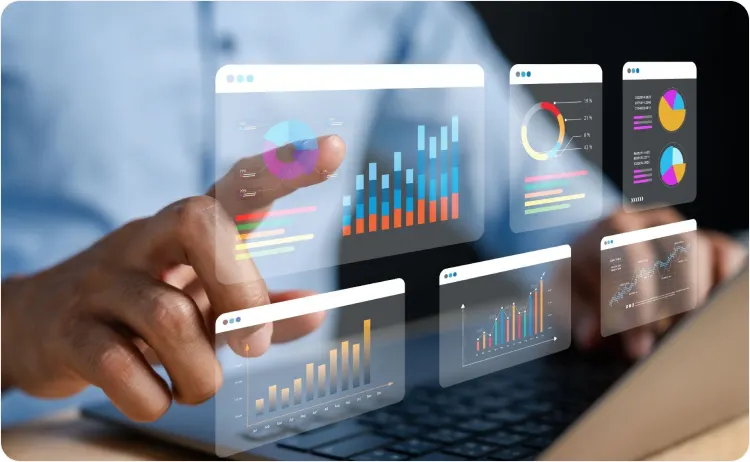
A strong analysis platform should consolidate balances, display historical performance, and facilitate easy comparison of risk exposure. Clean portfolio overviews facilitate better decision-making and reduce the need to switch between multiple dashboards.
Alerts, Watchlists, and Flexible Notifications
Effective alerts can help you respond quickly without being glued to charts. They should be optional, customisable, and linked to parameters you care about, such as price levels, volume spikes, or indicator crossovers. Tools that push automated insights or require you to use signals can distract rather than support disciplined decision-making.
Exportable Data for Tax Reporting Workflows
Because U.S. traders face detailed IRS reporting requirements, exportable transaction histories, cost basis data, and performance summaries are valuable. Platforms that integrate with U.S. tax software or offer CSV or JSON exports reduce friction at year-end and help you maintain audit-ready records.
Security Practices That Match Real Risks
A trustworthy platform should outline how it encrypts data, handles API keys, and stores user information. Clear disclosures help you assess whether the platform aligns with your risk tolerance, and this is especially important when you connect exchange APIs or store trading notes within the platform.
Privacy and Data Handling Transparency
Many analysis platforms collect behavioural data for performance optimisation or AI features. You should be able to review what is collected, how it is stored, and whether it is shared with third parties. Transparent policies help you stay in control, especially when you keep sensitive trading information on the platform.
Regulatory Awareness Without Overpromising
No analysis platform should claim regulatory approval or imply that it guarantees compliance with regulatory requirements. However, the best tools acknowledge U.S. regulations, include proper disclaimers, and avoid presenting high-risk features as universally available. This signals maturity and respect for user safety.
Final Thoughts
Choosing a crypto trading analysis platform comes down to trust, clarity, and usefulness. Prioritising transparent indicators, reliable data, strong security, and tax-friendly reporting gives you a foundation for more disciplined trading. With the right features in place, your platform becomes a decision support system rather than a source of noise or false confidence.
