
 BTC
BTC
 ETH
ETH
 LTC
LTC
 BCH
BCH
 DOGE
DOGE
 USDT
USDT
 DASH
DASH
 XRP
XRP
 USDC
USDC
 XMR
XMR
 TRX
TRX
 BNB
BNB
 SHIB
SHIB
 DAI
DAI
 ZEC
ZEC
 SOL
SOL
 ETC
ETC
 POL
POL
 XLM
XLM
 ADA
ADA

Online payments and online banking have become a part of everyday life. It's hard to imagine not being able to pay for services from your smartphone. However, along with this convenience comes the risk of fraud.
Cybercriminals use a variety of schemes to steal your money or personal information. By opening a multi-currency bank account with Dukascopy Bank, clients gain access to modern financial tools. They can also learn about common scams and how to avoid them.
Digital fraud can affect anyone who uses online banking, social media, or investment platforms. Fraudsters are becoming more inventive every year. They use psychological tricks, fake websites, fake emails, and even voice technology.
Cybercriminals will do anything to convince people to make a transfer or disclose confidential information. The more you know about possible schemes, the easier it is to recognize them and avoid falling for their tricks.
Main Types of Digital Fraud
Digital fraud is rapidly evolving. Criminals are constantly inventing new methods to deceive gullible users. Some schemes seem simple, while others are surprisingly sophisticated.
The most widespread tricksters use phishing. Fraudsters send emails or messages pretending to be from a bank. Then they ask for your card details or login information. Often, these messages look almost identical to the real thing. People are unaware of the danger and fall for these tricks. It's worth noting that this happens quite often.
Investment scams are also common. They promise quick, high returns and push people to invest in suspicious projects. Fake platforms and fake reviews are typically used in these schemes to trick users into investing.
The danger here is high, as scammers may use voice imitation technology that sounds convincingly real. This is how scammers trick you into revealing your data. Any method can cost you if you don't know what to pay attention to. Remember that legitimate banks never ask you to share passwords or confirm transfers through unknown channels.
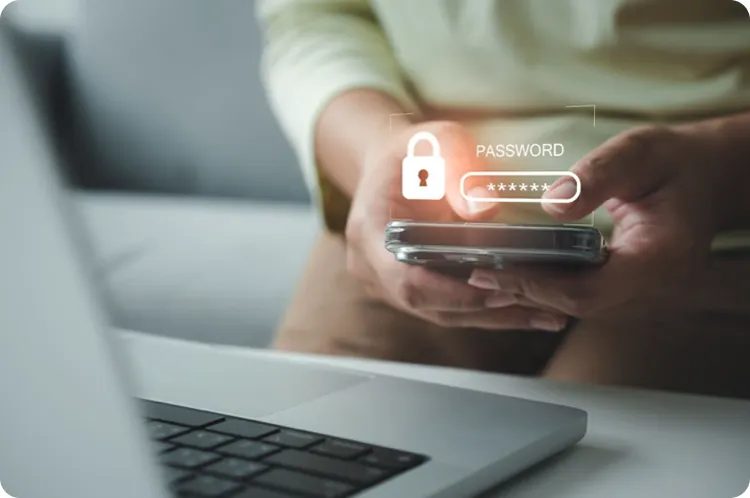
How to Protect Yourself from Fraud
Keep your risk low by sticking to basic security rules. They let you detect fraud quickly and protect your money. Dukascopy Bank created a special page where clients can explore common scam schemes and report suspicious activity instantly.
There's no way around it, so here are some tips:
- avoid suspicious links;
- always check the sender's address;
- don't give out personal information to anyone;
- check your calls through the official website;
- update your passwords.
Minimizing risks with these simple steps is easy. Two-factor authentication adds a layer of protection, and paying close attention to links and emails reduces the likelihood of falling victim to phishing.
By following these recommendations, you reduce the risk of losing money and personal information. Dukascopy Bank helps clients stay alert and provides access to up-to-date information on fraud.
The bank also actively informs users about new fraudulent schemes. This allows clients to recognize threats early and act with caution.
Why Dukascopy Bank Focuses on Security
Client security is a priority for Dukascopy Bank. The bank offers modern financial solutions and educates users on how to recognize threats.
A dedicated page with examples of fraudulent schemes allows you to see what's real and what's a ploy immediately. Clients can directly report suspicious situations.
Dukascopy Bank is a shining example of a modern approach to the financial system. Customer focus extends beyond attractive and advantageous offers. The bank also provides educational information to enhance security.
A multi-currency bank account offers you two key benefits: financial advantages and peace of mind. With this account, you can rest assured that your money is protected from fraud.
Conclusion
Digital fraud is becoming increasingly diverse. However, if you are well-informed and attentive, you can avoid trouble.
Dukascopy Bank makes online banking easy and safe, while also teaching clients how to protect themselves. The bank provides tips. It also offers specialized tools. These tools help every client protect their money and data. They help safeguard money and data reliably.
