
 English
 Français
 Español
 Português
 BTC
BTC
 ETH
ETH
 LTC
LTC
 BCH
BCH
 USDT
USDT
 DOGE
DOGE
 DASH
DASH
 USDC
USDC
 XRP
XRP
 XMR
XMR
 TRX
TRX
 BNB
BNB
 SHIB
SHIB
 SOL
SOL
 DAI
DAI
 ZEC
ZEC
 ETC
ETC
 POL
POL
 ADA
ADA
 XLM
XLM
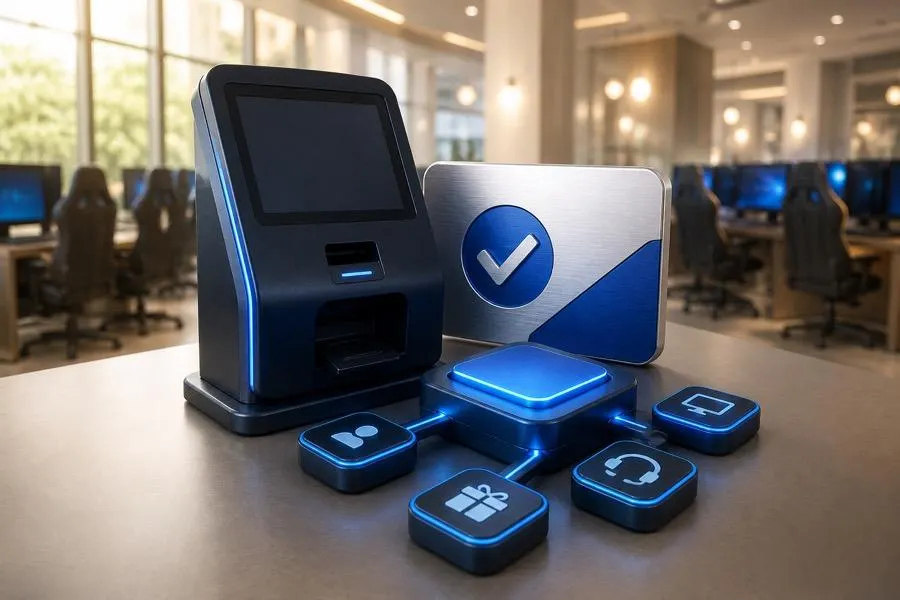
Every business owner wants more customers, but keeping existing ones is usually the better long-term strategy. People return when they know they'll have a smooth experience from the moment they walk in. That's one reason many operators invest in reliable software for cyber cafe businesses. The goal isn't simply to automate daily tasks. It's to remove the little frustrations that quietly push customers away.
Most visitors never think about the software running behind the scenes. They notice the result instead. They remember that check-in took less than a minute, their account was ready, and nothing interrupted their session. Those details don't seem important on their own, yet together they shape how people feel about the business.
Customers Notice Delays Faster Than Owners Do
Imagine two similar cyber cafes.
The first one still relies on several manual steps whenever someone arrives. Staff need to locate the customer's account, assign a station, process the payment, and answer questions that come up because the system isn't particularly intuitive.
The second location handles those same tasks almost automatically. Returning customers are recognized immediately, available stations appear in real time, and transactions are completed in a few clicks.
Neither business changed its prices. Neither added new equipment. Yet the second location often leaves a better impression simply because customers spend less time waiting.
Convenience isn't something people usually compliment. They simply expect it.
A Familiar Experience Gives Customers a Reason to Return
People like knowing what to expect.
Think about your favorite coffee shop. You probably don't choose it only because of the coffee. You go back because the service is predictable, the staff know what they're are doing, and the visit feels easy.
The same idea applies here.
When balances are always accurate, promotions are applied correctly, and sessions begin without unnecessary delays, customers become comfortable with the business. After several positive visits, returning feels like the obvious choice.
That's exactly what retention looks like in practice. It develops gradually rather than overnight.
Loyalty Programs Work Better When Nobody Has to Think About Them
Many businesses introduce rewards with good intentions, but the process becomes complicated.
Employees forget to apply bonuses. Customers aren't sure how many points they've earned. Some promotions expire before anyone notices them.
Software solves a surprisingly large part of that problem.
Instead of tracking everything manually, the system records customer activity automatically. Rewards appear when predefined conditions are met, whether that's after a certain number of visits, a promotional event, or a seasonal campaign.
From the customer's perspective, the experience feels effortless. They simply receive a reward they expected.
That simplicity encourages participation far more than a complicated program with dozens of rules.
Better Information Leads to Better Decisions
Owners often rely on experience when making business decisions, and experience certainly matters.
Still, it's difficult to identify trends without reliable data.
Reporting tools can reveal patterns that aren't obvious during a busy day. For example, you might discover that customers who visit on weekday afternoons stay longer than weekend visitors. Or perhaps one promotion attracts new customers but rarely brings them back a second time.
Insights like these help operators spend their marketing budget more effectively instead of relying on guesswork.
Over time, small adjustments based on real customer behavior usually outperform larger changes based only on assumptions.
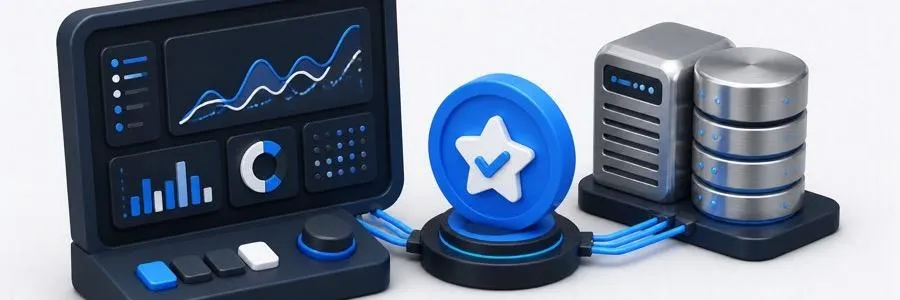
Good Service Starts With Giving Staff Better Tools
Customers rarely see everything happening behind the counter.
During busy hours, employees answer questions, handle payments, assign stations, solve technical issues, and keep the business moving. If they're forced to switch between different systems or complete repetitive tasks by hand, mistakes become more likely.
A single platform keeps that workload under control.
Instead of spending several minutes looking for customer records or correcting simple errors, staff can respond immediately when someone needs help. That changes the pace of the entire location. Visitors aren't left waiting, and employees aren't constantly trying to catch up.
The technology isn't replacing good service. It's creating more opportunities to provide it.
Consistency Builds Trust Over Time
Customers are surprisingly forgiving when something goes wrong once.
What they don't like is uncertainty.
If one visit is quick and the next is full of delays, confidence starts to disappear. People naturally choose places where they know what to expect, even if another business offers similar prices or promotions.
Reliable management software helps create that consistency. Customer accounts remain accurate, available stations update in real time, and routine processes follow the same workflow every day. Most visitors never notice those systems working in the background, but they certainly notice when they aren't.
As the Business Grows, Organization Matters Even More
Running a small location is very different from managing a busy operation with dozens of terminals and multiple employees.
Processes that once worked with a handful of customers can quickly become difficult to manage. Information ends up scattered, reporting takes longer, and simple administrative tasks begin consuming more of the day.
Modern cyber cafe software keeps everything in one place. Owners can review sales, customer activity, employee performance, and daily reports without moving between separate tools. That saves time, but it also makes decisions easier because the information is complete and up to date.
Growth becomes far more manageable when the business has a clear picture of what's happening every day.
Final Thoughts
Customer retention isn't usually decided by one big feature. More often, it's influenced by dozens of small moments that shape how people remember a visit.
Fast check-ins, dependable systems, accurate customer accounts, well-managed loyalty rewards, and employees who have time to help all contribute to a better experience. Individually, these improvements seem minor. Together, they create the kind of service that encourages customers to return.
For operators, that's the real value of modern cyber cafe software. It simplifies everyday work behind the scenes while making each customer visit feel smoother, more reliable, and easier than the last.
