
 BTC
BTC
 ETH
ETH
 LTC
LTC
 BCH
BCH
 DOGE
DOGE
 USDT
USDT
 DASH
DASH
 XRP
XRP
 USDC
USDC
 XMR
XMR
 TRX
TRX
 BNB
BNB
 SHIB
SHIB
 DAI
DAI
 ZEC
ZEC
 SOL
SOL
 ETC
ETC
 POL
POL
 XLM
XLM
 ADA
ADA
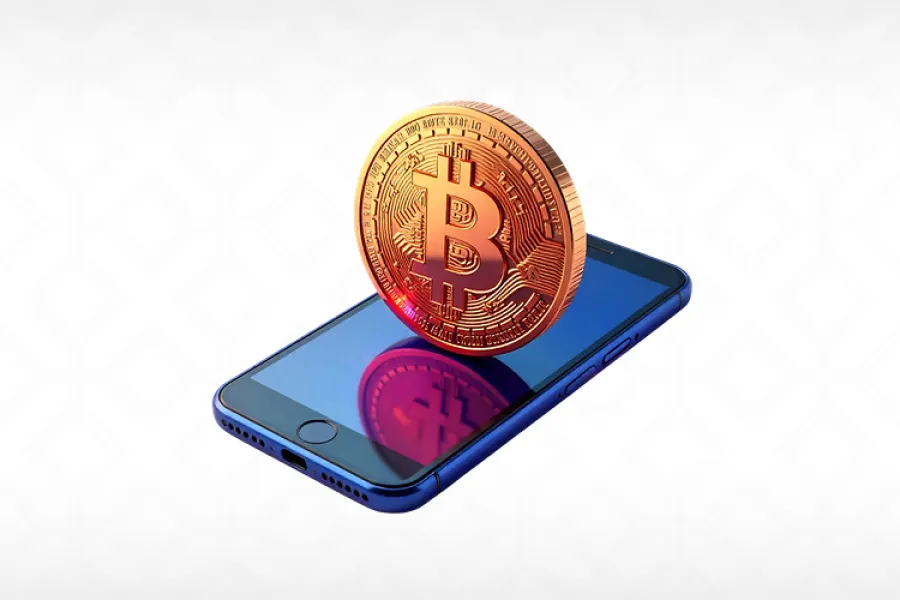
Crypto markets continue to evolve through a combination of regulatory divergence and gradual mainstream integration. Recent developments across Europe, Apple’s ecosystem, and Southeast Asia demonstrate how digital assets are increasingly shaped by legislative timelines, platform-level decisions, and structured experimentation.
Poland remains the only EU country yet to adopt MiCA
Within the European Union, Poland is currently the only member state that has not formally adopted the Markets in Crypto-Assets (MiCA) regulation. MiCA was designed to create a unified legal framework for crypto-asset service providers across the bloc, covering licensing, consumer protection, and operational standards.
Although Poland remains subject to broader EU regulatory alignment, the delay reflects differences in domestic legislative procedures and implementation pace. For companies operating locally, this creates a temporary layer of uncertainty while the rest of the EU moves toward harmonized oversight.
Apple approves iOS game SaruTobi with Bitcoin payments
In a notable shift for mainstream crypto integration, Apple has approved the iOS game SaruTobi, allowing in-app Bitcoin transactions after nearly a decade of restrictive policies toward cryptocurrency-based applications.
SaruTobi, a Bitcoin-powered mobile game originally known within the crypto community, enables users to earn and transact in Bitcoin as part of gameplay mechanics. Apple’s approval signals a meaningful policy evolution for one of the world’s most tightly controlled mobile ecosystems.
While this does not represent a full-scale revision of App Store crypto guidelines, it demonstrates a gradual opening toward blockchain-based functionality within consumer-facing applications. Rather than a dramatic shift, it reflects continued “quiet adoption” of digital assets into mainstream digital infrastructure.
Malaysia launches regulatory programs to test ringgit-pegged stablecoins
Meanwhile, the central bank of Malaysia has introduced three regulatory programs to test stablecoins pegged to the Malaysian ringgit. The initiative is being conducted in collaboration with Standard Chartered, highlighting a public-private approach to digital asset experimentation.
The programs aim to evaluate technological feasibility, compliance frameworks, and financial stability considerations before any broader deployment. Rather than immediate issuance, Malaysia is pursuing controlled testing through regulatory sandboxes.
Why It Matters
These developments illustrate the multi-directional nature of crypto’s evolution. Poland’s MiCA position highlights that regulatory harmonization in Europe remains a process rather than a finished outcome. Apple’s approval of SaruTobi demonstrates incremental mainstream acceptance of crypto-enabled applications within tightly governed ecosystems. Malaysia’s stablecoin trials show how central banks are cautiously exploring national-currency-linked digital assets.
Together, these signals point to a market increasingly defined by policy nuance and institutional experimentation rather than rapid speculative momentum.
