
 BTC
BTC
 ETH
ETH
 LTC
LTC
 BCH
BCH
 DOGE
DOGE
 USDT
USDT
 DASH
DASH
 XRP
XRP
 USDC
USDC
 XMR
XMR
 TRX
TRX
 BNB
BNB
 SHIB
SHIB
 DAI
DAI
 ZEC
ZEC
 SOL
SOL
 ETC
ETC
 POL
POL
 XLM
XLM
 ADA
ADA
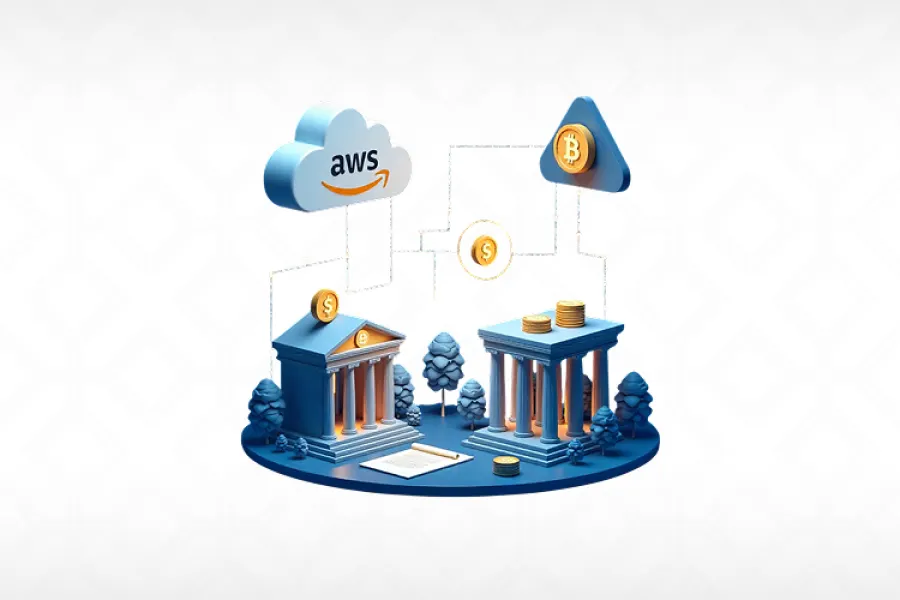
Cryptocurrency continues to move beyond speculative use cases and into real-world financial infrastructure. Recent developments across cloud services, capital markets, and tax policy show how digital assets are increasingly being integrated into everyday payments, regulated financial products, and national legal frameworks.
Together, these changes point to a more pragmatic phase of crypto adoption focused on usability and compliance.
AWS Services Become Payable in BNB
Amazon Web Services (AWS) customers can now pay for cloud services using BNB, expanding crypto payment access within one of the world’s largest enterprise technology ecosystems.
The integration allows businesses and developers to settle AWS invoices with BNB through a dedicated crypto payment network, bridging blockchain-based payments with traditional cloud infrastructure.
This move highlights how crypto is gradually being adopted in B2B environments, where efficiency, global accessibility, and alternative settlement options are increasingly valued alongside conventional fiat payments.
Brazil’s Stock Exchange Launches Tokenization Platform and Stablecoin
Brazil’s main stock exchange has announced plans to launch a tokenization platform alongside its own stablecoin.
The initiative aims to bring traditional financial instruments onto blockchain infrastructure, enabling more efficient issuance, settlement, and trading of tokenized assets.
By combining tokenization with a native stablecoin, the exchange is positioning itself to modernize capital markets while maintaining regulatory oversight — signaling growing institutional confidence in blockchain-based financial systems.
U.S. Lawmakers Propose Crypto Tax Reform for Payments and Staking
In the United States, lawmakers have introduced a bipartisan proposal to update crypto taxation rules to reflect real-world usage.
The draft legislation would exempt small stablecoin transactions up to $200 from capital gains reporting, provided the stablecoin is issued by a licensed entity under the GENIUS Act framework.
The proposal also addresses concerns around so-called “phantom income” from staking and mining. Under the plan, taxpayers would be allowed to defer recognition of staking and mining rewards for up to five years, easing the tax burden on long-term network participants.
The initiative reflects growing recognition that crypto is being used for payments and network participation — not just trading — and that tax rules must adapt accordingly.
Conclusion
From cloud services accepting crypto payments to regulated tokenization platforms and updated tax frameworks, these developments reflect a broader shift toward practical crypto integration. Rather than focusing solely on innovation for its own sake, companies and regulators alike are refining how digital assets fit into existing financial systems.
As payment use cases expand and legal clarity improves, cryptocurrencies and stablecoins are increasingly being treated as functional financial tools — paving the way for wider, more sustainable adoption across global markets.
