
 BTC
BTC
 ETH
ETH
 LTC
LTC
 BCH
BCH
 DOGE
DOGE
 USDT
USDT
 DASH
DASH
 XRP
XRP
 USDC
USDC
 XMR
XMR
 TRX
TRX
 BNB
BNB
 SHIB
SHIB
 DAI
DAI
 ZEC
ZEC
 SOL
SOL
 ETC
ETC
 POL
POL
 XLM
XLM
 ADA
ADA
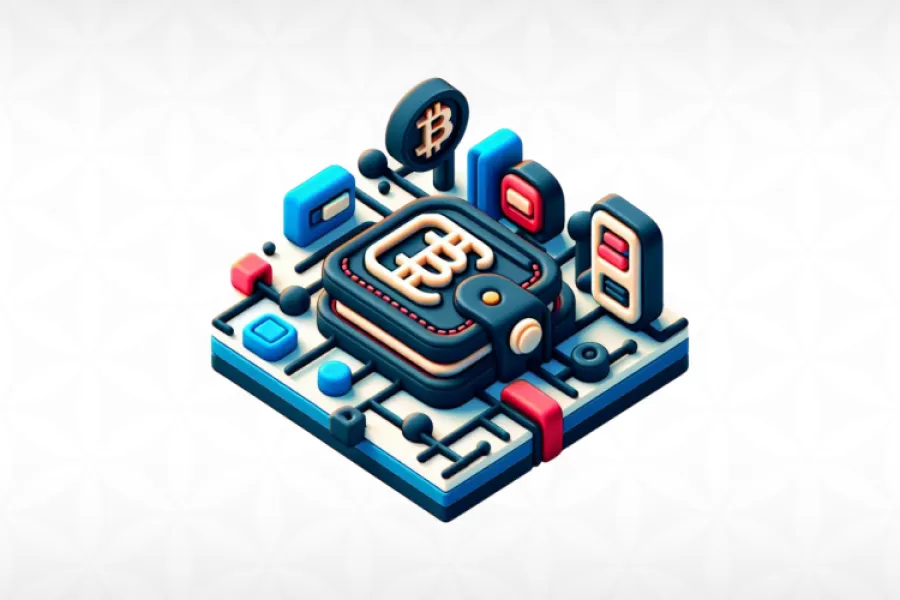
Choosing your first cryptocurrency wallet in 2025 is a pivotal step in managing and safeguarding your digital assets. The landscape of crypto wallets has evolved significantly, influenced by technological advancements and regulatory changes.
1. Enhanced Security Measures
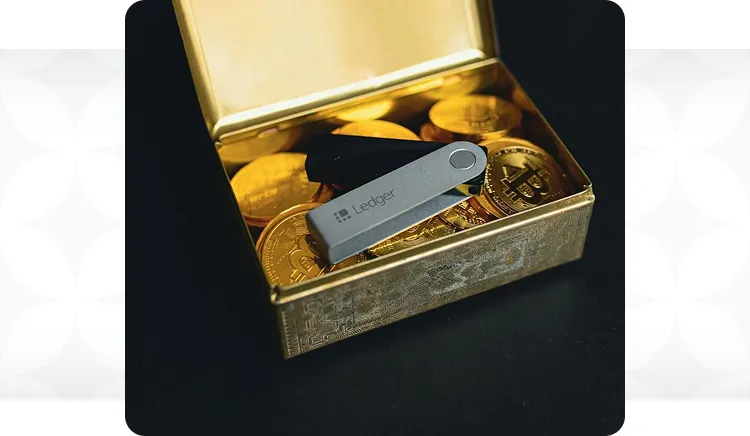
Security remains a major concern for cryptocurrency users. Recent incidents, such as the kidnapping of Ledger's co-founder, have underscored the vulnerabilities associated with crypto wealth. In response, wallet providers are integrating advanced security features.
For instance, the incorporation of post-quantum cryptography and zero-knowledge proofs is being researched to bolster wallet security against emerging threats. When selecting a wallet, prioritize those that offer robust security protocols, including multi-signature support and biometric authentication.
2. User-Friendly Innovations
As the crypto space matures, user experience has become a focal point for wallet developers. The rise of wallets offering customizable and human-readable addresses enhances usability, branding, and trust in transactions. Additionally, some wallets combine hardware and mobile applications to provide a seamless and secure user experience. When choosing a wallet, consider those that prioritize intuitive interfaces and innovative features to enhance your overall experience. Additionally, a smart idea is to read crypto wallet reviews, such as the review of Best Wallet, for more insight and peace of mind.
3. Integration of Artificial Intelligence
The combination of artificial intelligence (AI) and cryptocurrency is shaping the future of digital wallets. AI tokens, associated with various blockchain protocols and decentralized platforms, have seen exponential growth, with their combined market value exceeding $39 billion. Some wallets are now incorporating AI-driven features, such as predictive analytics and personalized user experiences, enhancing functionality and user engagement.
4. Rise of Social Recovery Wallets
Traditional crypto wallets rely on private keys, which, if lost, can result in irreversible asset loss. Social recovery wallets are emerging as a safer alternative, allowing users to recover their accounts through trusted contacts or institutions. This feature enhances accessibility for new users while maintaining security, making it a crucial consideration for those new to cryptocurrency.
5. Expansion of Stablecoin Usage
Stablecoins have emerged as a bridge between traditional finance and the crypto world, offering price stability by pegging their value to fiat currencies. According to Visa, these digital assets facilitate more than 1 billion transactions each year, with a total transfer volume surpassing $8 trillion. Wallets supporting stablecoins enable users to transact seamlessly, making them an attractive option for those seeking to mitigate the volatility typically associated with cryptocurrencies.
6. Growth of Decentralized Finance (DeFi) Wallets
Decentralized Finance (DeFi) is continuing to expand, offering users financial services without the need for traditional intermediaries. DeFi wallets are evolving to provide seamless integration with decentralized exchanges, lending protocols, and yield farming opportunities. With DeFi's increasing popularity, choosing a wallet with built-in DeFi functionalities can enhance your crypto experience and provide greater financial autonomy.
7. Regulatory Developments
The regulatory landscape for cryptocurrencies is undergoing significant transformations. The U.S. Consumer Financial Protection Bureau (CFPB) has proposed rules requiring crypto companies to reimburse customers in cases of unauthorized transactions, aligning digital wallet protections with those of traditional bank accounts. Such developments emphasize the importance of choosing wallets that comply with regulatory standards, ensuring enhanced consumer protection.
8. Multi-Chain Compatibility
As blockchain networks diversify, multi-chain compatibility has become a key feature for modern wallets. In 2025, the ability to interact with multiple blockchains, including Ethereum, Solana, Avalanche, and layer-2 networks, allows users to maximize their investment opportunities. Wallets that support cross-chain interoperability ensure seamless asset transfers and interactions with decentralized applications (dApps) across various ecosystems.
Conclusion
As digital assets become more mainstream, choosing the right wallet in 2025 is essential for both security and convenience. Whether you prioritize cutting-edge security measures, seamless integration with decentralized applications, or AI-enhanced functionalities, staying informed about the latest industry trends will help you make a well-rounded decision. By conducting thorough research and selecting a wallet that aligns with your needs, you can confidently manage and protect your crypto holdings in an increasingly digital world.
