
 BTC
BTC
 ETH
ETH
 LTC
LTC
 BCH
BCH
 DOGE
DOGE
 USDT
USDT
 DASH
DASH
 XRP
XRP
 USDC
USDC
 XMR
XMR
 TRX
TRX
 BNB
BNB
 SHIB
SHIB
 DAI
DAI
 ZEC
ZEC
 SOL
SOL
 ETC
ETC
 POL
POL
 XLM
XLM
 ADA
ADA
Despite all the talk about renewable energy and electric cars, crude oil continues to dominate global markets. This ancient liquid, formed from prehistoric organisms buried deep underground, still controls more of our daily lives than most people realize.
Beyond the Gas Tank
Sure, oil fuels our cars, but that's just scratching the surface. Your smartphone case? Made from petrochemicals. The synthetic fabric in your clothes? Oil derivatives. Even medications rely heavily on petroleum-based compounds. Remove oil from the equation tomorrow, and we'd face shortages of everything from plastic water bottles to medical equipment.
The scale is staggering, roughly 100 million barrels consumed worldwide every single day. Countries like China and India are burning through more oil than ever as their economies expand, creating an almost insatiable appetite that shows no signs of slowing down.
Market Madness and Price Swings
Oil prices can be absolutely wild. One day they're up because of tensions in the Middle East, the next they're down due to unexpected inventory builds in Oklahoma. Traders obsess over two main benchmarks: West Texas Intermediate (WTI) and Brent crude, though they often move in lockstep despite having different chemical compositions.
Recent trading patterns show WTI hitting resistance around $65-66 per barrel, with technical analysts drawing lines all over their charts trying to predict the next move. Any serious trader watches the crude oil price chart religiously, knowing that geopolitical events can send prices soaring or crashing within hours.
What really drives these price swings? Everything from OPEC production cuts to pipeline explosions in Texas. Sometimes it's purely psychological, market sentiment can push prices far beyond what supply and demand fundamentals would suggest.
Power Politics and Black Gold
Oil creates strange bedfellows in international relations. The United States simultaneously competes with and depends on countries whose political systems it opposes. Russia uses energy exports as diplomatic leverage, while Saudi Arabia carefully balances production to maintain both revenue and political influence.
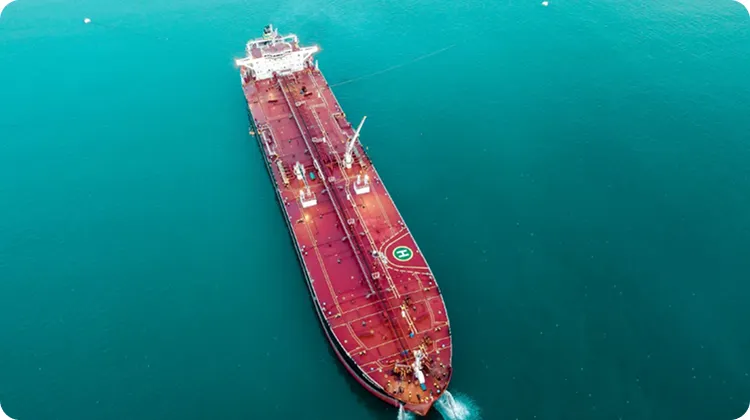
Energy security keeps military strategists awake at night. Protecting shipping lanes through places like the Strait of Hormuz isn't just about economics, it's about preventing global economic catastrophe. Recent attacks on energy infrastructure have reminded everyone how fragile these supply chains really are.
The Great Transition Myth
Renewable energy is growing fast, but replacing oil entirely? That's still decades away, if it happens at all. Electric vehicles grab headlines, but the global car fleet turns over slowly. Meanwhile, cargo ships, airplanes, and steel factories can't exactly plug into solar panels.
Even oil companies are hedging their bets, investing billions in wind and solar projects. But their quarterly earnings reports tell the real story, fossil fuels remain incredibly profitable businesses with patient shareholders.
The infrastructure built around oil is massive and expensive to replace. Refineries, pipelines, and distribution networks represent trillions in investment that won't be abandoned easily.
Global Power
Crude oil maintains its grip on global power because alternatives simply can't match its combination of energy density, storage capability, and existing infrastructure. Until something better comes along and proves itself at massive scale, black gold will continue ruling the world's energy landscape.
