
 BTC
BTC
 ETH
ETH
 LTC
LTC
 BCH
BCH
 DOGE
DOGE
 USDT
USDT
 DASH
DASH
 XRP
XRP
 USDC
USDC
 XMR
XMR
 TRX
TRX
 BNB
BNB
 SHIB
SHIB
 DAI
DAI
 ZEC
ZEC
 SOL
SOL
 ETC
ETC
 POL
POL
 XLM
XLM
 ADA
ADA
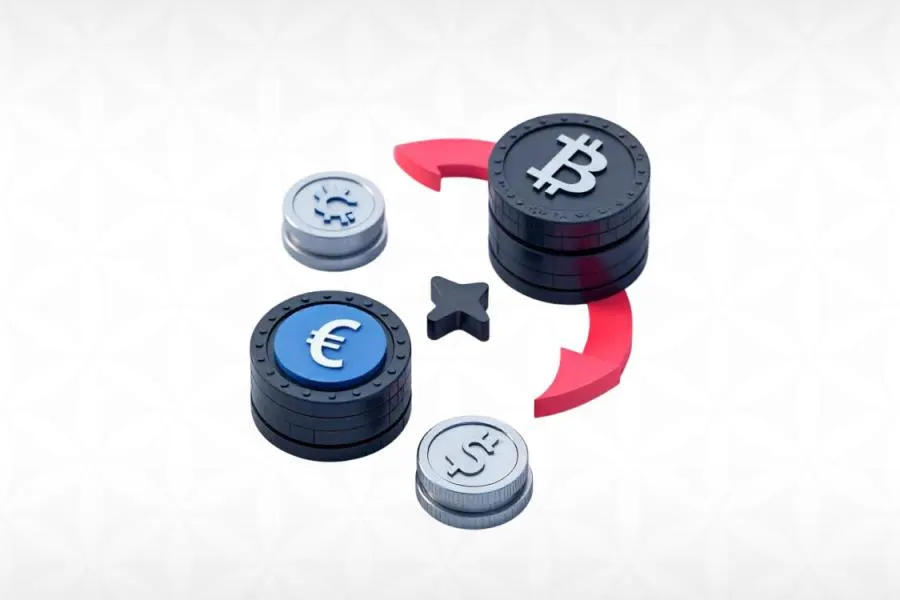
Customers want to pay with the asset they hold. Finance teams want payouts in the asset they understand. Automatic conversion is the bridge. It lets a store accept dozens of coins at checkout while receiving settlements in one currency that fits accounting rules and treasury comfort.
A mature bitcoin payment gateway handles the heavy lifting behind the scenes, so the storefront can list Bitcoin, ETH, stablecoins, and more without turning the back office into a juggling act.
The core idea, in plain terms
At checkout, the customer chooses a coin and gets a one-time quote that includes amount, timer, and destination address. Once funds are detected on chain, the processor swaps the received asset into the business’s preferred currency and pushes settlement to the configured wallet or bank route. The shopper pays in what they like. The business receives what it asked for. One flow, two preferences, no reconciliation headache.
What happens under the hood
1) Pricing and quoting.
When the customer selects a coin, the engine fetches a live rate from liquidity sources, adds a clear processing fee if applicable, and prints a timer. Quotes are short by design, usually 10 to 15 minutes, to keep volatility contained.
2) Payment detection.
The system watches the relevant network for an incoming transaction. It matches by address and expected amount, then updates order status when funds land. Underpays and overpays are flagged, not left to support to guess.
3) Confirmation policy.
Rules decide when an order is considered paid. Digital goods might ship after detection. Physical goods might wait for one or more confirmations. The policy is explicit, consistent, and visible to the buyer to reduce “is it done yet?” tickets.
4) Auto-conversion.
Upon detection or confirmation, the processor swaps the received asset into a target currency. That could be BTC, ETH, USDT, or another coin. Some merchants pick a stablecoin to keep books simple. Others keep BTC by default and convert on exceptions. Either way, the conversion is programmatic, not manual.
5) Settlement.
Converted funds are pushed to the merchant’s wallet, sometimes instantly, sometimes in batches for fee efficiency. A clear webhook closes the order in the commerce system. Accounting sees a receipt with the fiat value at the time of sale, the asset received, the asset settled, the rate used, and the transaction hash.

Why businesses choose automatic conversion
Cleaner treasury.
Teams can standardize on one settlement asset while still capturing demand from many coin communities. This trims wallet sprawl and makes access controls doable.
Less volatility anxiety.
Short quote windows plus immediate conversion cap exposure to market moves. A CFO can live with a few minutes of risk. Days of risk, not so much.
Simpler accounting and tax.
Receiving one asset reduces the number of ledgers and revaluation events. Reports become readable. Audits go faster because each receipt shows the precise rate and timestamp.
Better conversion rates at checkout.
The more native options a payment sheet shows, the fewer drop-offs. People pay with what they already hold. Offering a broad menu without treasury chaos is the whole point.
No chargebacks.
On-chain payments settle in one direction. This does not eliminate customer support, but it removes a major source of financial uncertainty.
A minimal setup that actually works
- Pick a target asset. One or two is enough. Many merchants start with USDT or BTC.
- Set confirmation rules by basket value. Small orders can clear faster. Large orders earn an extra block or two.
- Define refund logic. Support should have a one-click path to return funds in the original asset or the settlement asset, with clear copy.
- Publish a short help page. Screenshots, timelines, and what “quote expired” means. Real buyers read it.
UX copy that prevents confusion
- “Send exactly 0.0421 ETH within 15 minutes. The amount already includes network fees where applicable.”
- “Payment detected. Waiting for network confirmation. Typical time is 5 to 10 minutes.”
- “Quote expired. Refresh to get a new amount.”
Short, directive, and free of jargon. The goal is to tell the buyer what to do next, not teach them blockchain theory.
Edge cases and how to blunt them
Underpay or overpay. Offer an automatic top-up link for the difference or a single-click refund. Put the choice on the same status page where the buyer is already waiting.
Wrong network. Label supported networks clearly at selection time. If a chain is not supported, gray it out before the quote appears.
Congestion. If a network is slow, say so on the quote screen. Expectations are half of perceived speed.
Partial refunds after conversion. Keep a small operational float in the settlement asset to process refunds quickly. Nothing frustrates a buyer more than a “we’ll refund you later” message.
Security and compliance without theatrics
Security is table stakes: signed webhooks, idempotent callbacks, distinct API keys for prod and staging, role-based access to dashboards, and cold storage for long-term holdings if any funds are retained. Compliance stays product-agnostic: a store’s KYC or product restrictions do not change because the payment rail is crypto. What does change is audit clarity. Receipts that show both assets and the exact conversion rate simplify reviews later.
Cost model and how to explain it
There are two cost buckets. Network fees, which go to miners or validators and fluctuate with demand. Processing and conversion fees, which cover the service and liquidity. Buyers accept fees when they are visible and fair. A small processing line plus a note that network fees vary by chain preserves trust far better than a bundled total that hides the details.
Where a wallet experience fits in
Some visitors reach checkout without a wallet. Dropping them is costly. A guided path to set up a wallet keeps them in the funnel and reduces support later. A branded option like a white label crypto wallet can slot into onboarding flows, let users hold assets they just acquired, and bring them back to pay again with fewer questions.
Metrics that show this is working
- Opt-in rate to crypto among all payment methods
- Completion rate for crypto checkouts vs cards
- Time to confirmation by chain and basket size
- Refund rate and resolution time
- Repeat usage of crypto by the same customers
If repeat usage climbs after adding automatic conversion, the experience is doing its job: it feels predictable.
Closing take
Automatic conversion is the calm middle ground between customer choice and operational simplicity. Shoppers get to pay in the coin they already hold. Finance receives one asset that plays nicely with policies and reports. The processor handles pricing, detection, conversion, and settlement, while the storefront focuses on clarity. That balance is what turns “we support crypto” from a banner into a reliable revenue channel.
