
 BTC
BTC
 ETH
ETH
 LTC
LTC
 BCH
BCH
 DOGE
DOGE
 USDT
USDT
 DASH
DASH
 XRP
XRP
 USDC
USDC
 XMR
XMR
 TRX
TRX
 BNB
BNB
 SHIB
SHIB
 DAI
DAI
 ZEC
ZEC
 SOL
SOL
 ETC
ETC
 POL
POL
 XLM
XLM
 ADA
ADA
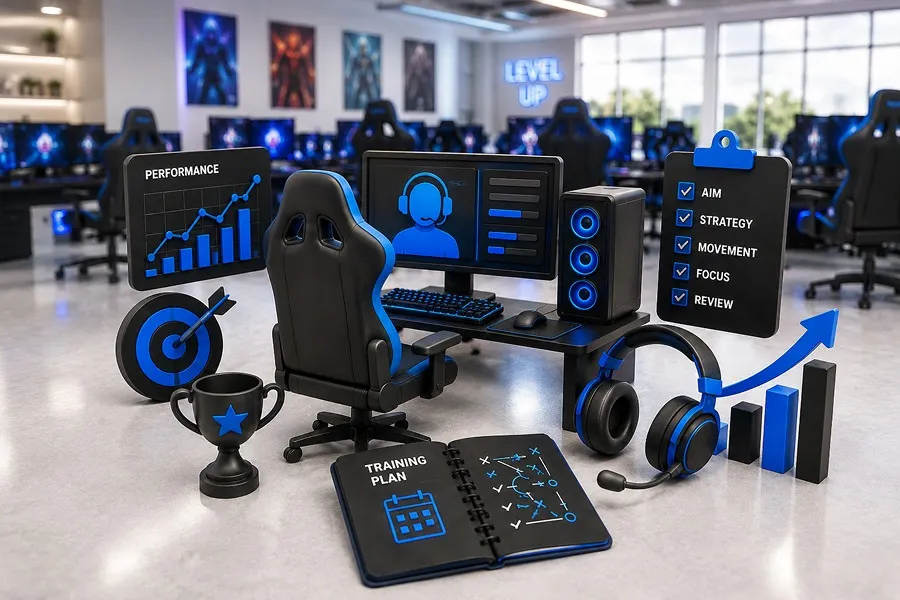
Most players grind ranked for hours and wonder why they're not improving. The answer isn't more hours — it's better hours. Advanced gaming techniques in 2026 aren't flashy tricks you pull off once in a highlight reel. They're repeatable systems — structured practice, data-driven self-review, and deliberate skill-building that compounds over weeks and months.
This guide covers exactly what those systems look like, from how pro teams structure their training days to the specific drills, tools, and frameworks that separate serious players from the rest of the lobby.
What "Advanced" Actually Means in Competitive Gaming
Here's the uncomfortable truth: most players calling themselves "advanced" are just experienced grinders. Experience and skill development are not the same thing.
Real advanced play means integrating aim, movement, game sense, and team coordination under pressure — consistently, not just when things go your way. It means building if X then Y decision rules so automatic they don't eat up mental bandwidth during a match.
Think of it this way: advanced gaming techniques = advanced practice, not just advanced mechanics.
How Pros Actually Train in 2026
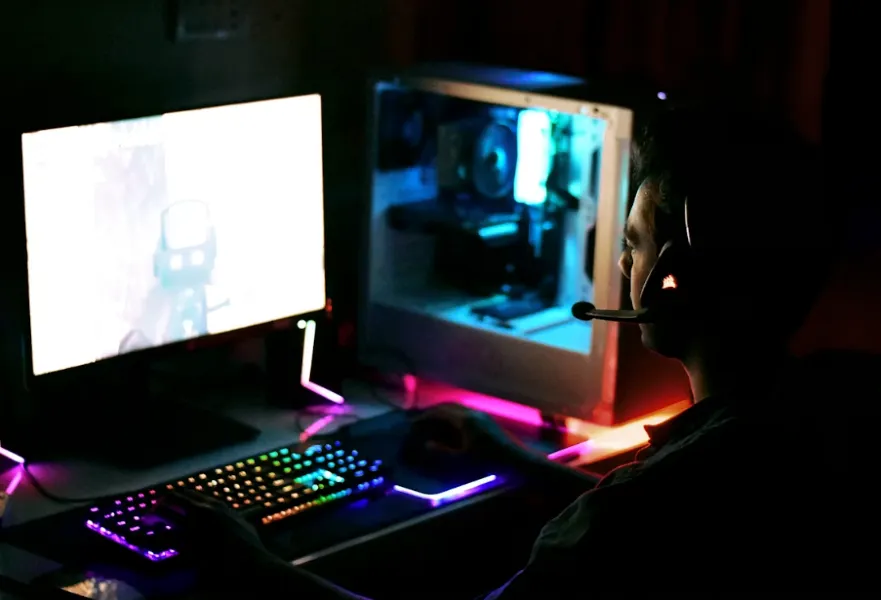
Top esports rosters in 2026 run schedules that look more like professional sports teams than gaming sessions. The core structure breaks down into three blocks: mechanics training, scrims, and review.
Individual practice runs 15–30 minutes of focused aim work before any competitive play, followed by scrim blocks of 2–3 hours against similarly ranked opponents on platforms like Gankster and Open Scrims. Then comes VOD review — usually led by a coach or IGL with one or two specific goals for the session, like "improve mid-round trading" or "fix early game lane pressure."
The key word there is specific. Broad review sessions lead to information overload. The best teams review with a single question in mind and drill the answer until it becomes instinct.
Here's the part that matters for solo players: you don't need a full roster to steal this framework. Even a lightweight version — 20 minutes of mechanics, two ranked games played with a clear focus area, then 10 minutes of clip review — is a massive edge over queuing on autopilot.
Technical Skills Serious Players Must Master
Aim Training That Actually Works
The two dominant aim trainers heading into mid-2026 are still Aim Lab and KovaaK's. Aim Lab offers solid progress tracking for free and works well for players building structured routines from scratch. KovaaK's has a larger scenario library and is the preferred tool in higher-level communities, especially through Voltaic-style playlists like VDIM that scale with your skill level.
Current best practice is 15–30 minutes daily covering three scenario types: static target clicking, tracking, and target switching. Run a single block per day for several weeks before adding complexity. The goal isn't variety — it's consistency.
One thing top players agree on: pick a sensitivity and hold it. Constant tweaking resets muscle memory. Pros lock in a sens and live with it for months until the movement becomes unconscious. That stability is what turns aim training into actual aim improvement.
Movement and Positioning
Advanced movement isn't about pulling off flashy inputs. It's about being hard to hit while still landing clean shots — two goals that often conflict with each other.
In tactical shooters, counter-strafing and jiggle peeking are foundational. Short, controlled movements that reset accuracy rather than spraying while sprinting. In games like Valorant, peak velocity shots take this further — reaching top strafe speed, then timing the shot precisely as direction changes, which maximizes both survivability and accuracy at the same time.
Competitive communities increasingly frame positioning as chess. The goal isn't to chase kills — it's to control space and create favorable engagements. Players who understand angles, elevation, and third-party windows make better decisions before the fight starts.
Game Sense and Decision Frameworks
Game sense is the ability to anticipate what's about to happen and act on it before everyone else does. It's built through structured review, not raw game time.
After each death, strong players ask three questions: What information did you have? What did you ignore? What safer option existed? That turns random losses into structured lessons you can actually apply next game.
Mental resets matter too. Scheduled breaks, deliberate tension management between rounds, and separating emotional responses from decision-making — these are skills, and they're trainable. Ignoring them consistently costs performance across long sessions.
Game-Specific Advanced Tactics
FPS: Turning Your Playbook Pro-Level
For competitive shooters like CS2, Valorant, and Apex Legends, advanced play is built on three pillars: crosshair placement, spray control, and map-specific preparation.
Crosshair placement deserves its own dedicated training block. Spend entire weeks keeping crosshair at head level and pre-aiming common angles in custom lobbies, then record and review where the crosshair actually idles. The gap between where you think your crosshair sits and where it actually sits is usually where your kills are disappearing.
Map-specific drills are equally underrated. FPS pros often dedicate a full week to a single map — learning default setups, angles, and timings, then copying pro pathing from POV demos. Doing this across your map pool methodically builds deep, automatic knowledge rather than surface-level familiarity.
MOBA and Strategy Games: Macro Wins Matches
In MOBAs and strategy titles, mechanical skill has a ceiling. Above that ceiling, macro decision-making wins games.
The highest-leverage habits here are wave and tempo control, plus tracking summoner spell and ultimate cooldowns. High-level players think in "tempo windows" — when your team can move first — and use wave management to create those windows for roams and objectives rather than reacting to what the enemy does.
Draft tools like Blitz.gg and OP.GG have become essential for patch-aware play. Understanding which compositions spike when, and how to play around those spikes, separates players who follow the meta from players who exploit it.
Fighting Games: From Lab to Tournament-Ready
Fighting games reward players who spend time in training mode building real setups, not just learning combos. Frame traps — sequences where a tiny gap between attacks baits opponents into pressing buttons and getting counter-hit — are built by chaining plus-on-block moves into fast follow-ups or slightly delaying cancels.
The workflow pros use: set the training dummy to record a reversal option, test your setup, adjust timing until it beats 3-frame normals or specific defensive responses. Theory in the lab becomes tournament-ready offense when you've tested it against the actual defensive options it needs to beat.
Battle Royale: Rotation Discipline and Engagement Filters
The top BR players in 2026 treat the game as a large-scale strategy puzzle. Zone planning, rotation timing, and engagement discipline are what separate consistent final-circle placements from mid-game wipes.
Strong squads fight only when they have a clear advantage — angle, elevation, or numbers. Coin-flip fights that risk late-game positioning get passed on, not taken. That kind of engagement discipline is uncomfortable to develop, but it's what makes teams dangerous when the zone closes.
Tools, Data, and Communities Serious Players Use
The best players in 2026 use data not to chase vanity metrics, but to locate specific weaknesses. Tracker Network, Leetify, and Scope.gg break down metrics like headshot percentage, first-blood rate, and site-specific win rates that standard scoreboards hide entirely.
A useful benchmark: 2–3% monthly improvement in headshot percentage with a stable routine is considered realistic. If headshot percentage is rising but K/D is flat, the problem is positioning and decision-making, not raw aim.
For structured opposition and feedback loops, coaching marketplaces like Metafy connect players with pro and ex-pro coaches offering VOD reviews and improvement plans. Combining one aim tool, one analytics platform, and one VOD review source — and sticking with that stack for at least a month — is the approach serious players consistently recommend.
The tools are all there. What separates players who use them well from those who don't is consistency and honest self-assessment. The Battlelog team understands that edge — building resources and tools specifically for players who are serious about gaining every possible competitive advantage.
The Simplest Advanced Habit You Can Build Right Now
Pick one weakness. One skill — tracking, crosshair placement, macro decision-making — and build a 20-minute daily practice block around it for four weeks straight.
Review two games per week with a single question in mind. Track one metric that reveals whether you're improving. Repeat.
That's it. That's the framework pros scale up. The version above is already more structured than 90% of ranked players will ever try. Start there, and the gap opens up fast.
