
 BTC
BTC
 ETH
ETH
 LTC
LTC
 BCH
BCH
 DOGE
DOGE
 USDT
USDT
 DASH
DASH
 XRP
XRP
 USDC
USDC
 XMR
XMR
 TRX
TRX
 BNB
BNB
 SHIB
SHIB
 DAI
DAI
 ZEC
ZEC
 SOL
SOL
 ETC
ETC
 POL
POL
 XLM
XLM
 ADA
ADA
Starting a digital ledger for everyday money habits should feel simple, not scary. You want a setup that fits into your routine, shows clear progress, and keeps your dollars working in the background.
This guide walks you through the essentials from tool choice to daily tracking. You will learn how to pick categories, automate savings, and review results without spending every night in spreadsheets.
Why A Digital Ledger Beats A Notebook
Paper notes get lost and do not update themselves. A digital ledger syncs across devices, keeps running totals, and flags patterns that you would miss by hand.
You gain quick search, category tags, and backups that protect your work. These features help you see which small habits produce the biggest savings.
A digital ledger reduces friction. When logging takes seconds, you stick with it and get cleaner data.
Picking Your Ledger Type
There are three common paths: a banking app with built-in tracking, a budgeting app that links accounts, or a simple spreadsheet you update daily.
Each works if it matches your comfort level and keeps you consistent. If you prefer to keep tracking close to everyday spending, options like a Varo Bank Account can serve as a straightforward base for your setup. This keeps your ledger near your spending, and it can simplify automations.
Spreadsheets offer control and transparency. Apps offer speed and notifications. Choose the path that you will actually use every day.
Set Up Your Core Categories
Pick 6 to 10 categories that capture your routine. Keep them broad at first, like Groceries, Eating Out, Transport, Housing, Subscriptions, and Personal. You can add subcategories later if you need more detail.
Create a Savings category that captures transfers and round-ups. Label it as a “bill you pay yourself”, so you treat it like a must-have. This mental shift makes savings more durable.
If you feel unsure where to start, use a lightweight structure:
- Fixed costs: rent or mortgage, utilities, phone, internet
- Variables: groceries, eating out, fuel or transit, personal
- Debts: credit card, student loan, car
- Savings: emergency fund, short-term goals, long-term
Link Accounts And Automations
Connecting your checking and savings accounts can reduce manual work. Automations move money without relying on willpower, which is fragile on busy days.
One well-known roundup tool invests spare change from everyday purchases. A recent personal finance article highlighted how Acorns’ Round-Ups take the difference to the next dollar and deploy it automatically, which shows the power of automating tiny amounts into real growth.
Build a simple automation stack:
- Auto-transfer a set amount to savings on payday
- Enable round-ups or small daily sweeps
- Schedule a monthly move to a dedicated goal fund
Daily Logging That Takes Minutes
Log spending the same day whenever possible. A 30-second entry keeps your totals accurate and avoids guesswork at the end of the week.
Use short notes for context, like “coffee with client” or “bulk rice.” These tags help you spot patterns and trim without feeling deprived.
If you miss a day, do not rebuild from memory. Reconcile using your transaction list and move on. The goal is momentum, not perfection.
Make The Math Work For You
Your ledger should show a simple daily target. Take your monthly savings goal, divide by the number of days this month, and track whether you are ahead or behind.
Zooming out is useful too. Government data reported the U.S. personal saving rate at 3.5 percent in November 2025, which can serve as a baseline if you need a starting target that feels realistic for a typical household.
As your habits settle, raise the goal in small steps. Even a 1 percent bump held for a few months can compound into noticeable progress.

Safety, Backups, And Access
Use strong passwords and enable two-factor authentication on every financial app you connect. This adds a simple lock on top of your most sensitive accounts.
Know how your deposits are protected. An official brochure from the federal insurance agency updated on April 1, 2024, explains coverage rules and limits for different account types, which helps you choose where to keep cash and how to title accounts.
Back up spreadsheets to cloud storage and export app data quarterly. If you ever switch tools, you will not lose your history.
Review, Adjust, And Stay Motivated
Schedule a quick weekly review. Scan category totals, check your daily target streak, and note one change to test next week.
Once a month, do a deeper pass. Compare trends, update category amounts, and confirm that your automations still match your goals.
Keep rewards small and consistent. A free library ebook or an at-home movie night after a strong month makes the process feel sustainable.
Small Tactics That Add Up
Batch errands to cut fuel and impulse buys. One loop each week often beats a handful of short trips that mask extra spending.
Cook one large meal on Sunday and freeze portions. Having a ready option keeps eating out from filling the gap when plans change.
Use a simple checklist to keep friction low:
- Log purchases daily
- Review weekly
- Adjust one category each month
- Raise savings target by small steps each quarter
Build A Cushion For Real Life
Life does not follow tidy averages, so your ledger should carry a small buffer. This protects your plan from surprise costs without derailing savings.
Start with a tiny emergency fund goal, like $500. Once you reach it, grow the cushion to one month of expenses, then three.
Treat this fund as a guardrail. When a tire blows or a bill arrives early, you will be glad the money is waiting.
Keep Your System Boring
A good ledger is not flashy. It is predictable, quick to update, and easy to understand at a glance.
When you find a rhythm that works, avoid constant tool hopping. Stability beats novelty when your goal is long-term savings.
Revisit your setup only when your life changes. A move, a new job, or a new family member is a good time to resize categories and automations.
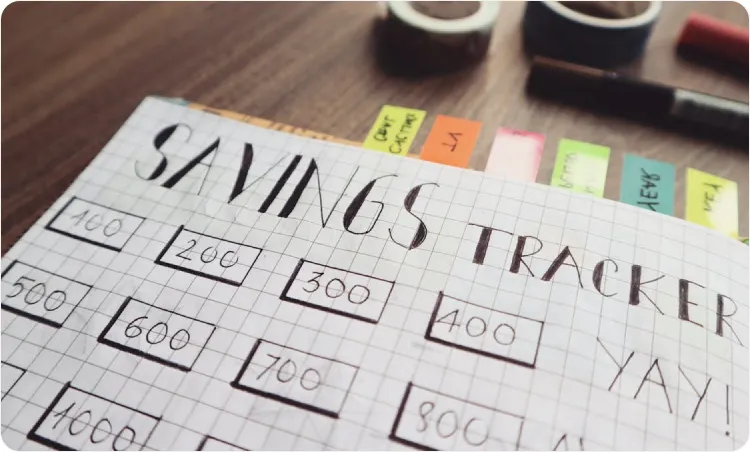
A practical digital ledger is a quiet partner in your daily routine. Start small, keep entries brief, and let the automations do more of the lifting as you progress.
Stability and small improvements create lasting savings. With a few smart choices, you can build momentum that feels natural and sticks.
