
 BTC
BTC
 ETH
ETH
 LTC
LTC
 BCH
BCH
 DOGE
DOGE
 USDT
USDT
 DASH
DASH
 XRP
XRP
 USDC
USDC
 XMR
XMR
 TRX
TRX
 BNB
BNB
 SHIB
SHIB
 DAI
DAI
 ZEC
ZEC
 SOL
SOL
 ETC
ETC
 POL
POL
 XLM
XLM
 ADA
ADA
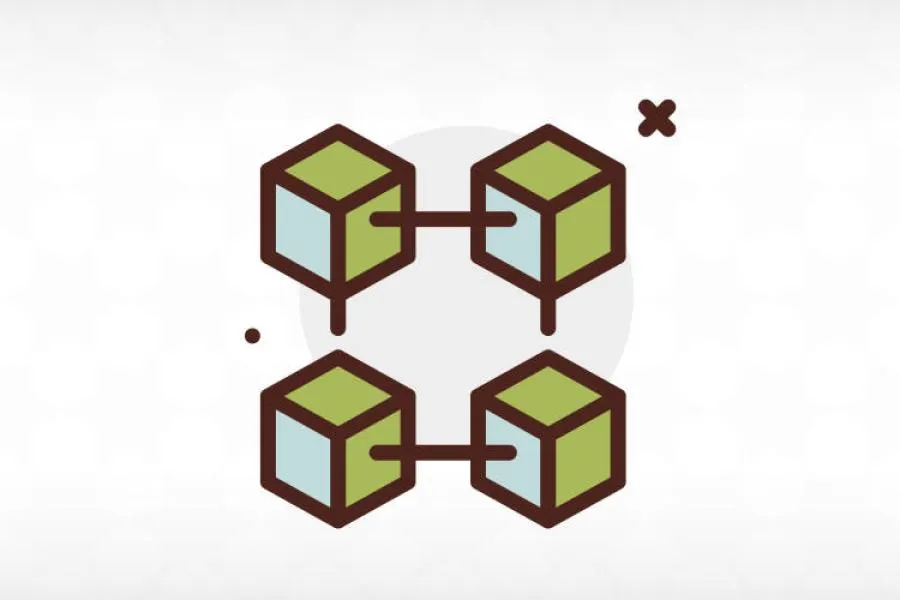
Since its innovation, some people still perceive blockchain technology as complex when that is not the case. Although it was first introduced as a core component of the cryptocurrency Bitcoin, blockchain allows for the creation of a secure, transparent, and tamper-proof record of transactions. Here is how this works; In a blockchain system, each transaction is recorded as a chain of blocks, with each block containing a unique cryptographic hash of the previous block, a timestamp, and transaction data.
This creates a tamper-evident record of all transactions that are stored across a decentralized network of computers rather than being stored in a central database. Its decentralized nature means that it is not controlled by any single entity, thus resistant to fraud and censorship. This makes it particularly well-suited for use in various areas, such as yukon gold casino, where security, trust, and anonymity are important. Below are key areas where Blockchain Technology is applied.

1. Financial Exchanges and Transfers
Banks and financial institutions benefit more from the applications of blockchain technology. Money transfers between accounts, especially cross-border business, can take several days and is usually costly. However, with blockchains, the transfers can happen in less than 8 minutes, regardless of the type and time of transfer. The clearance process in the stock trade also happens faster and more promptly.
2. Securely Store Medical Records
Healthcare providers can use blockchain technology to securely and efficiently store and exchange their patients' medical records, among other data. Through this, it has the potential to revolutionize the healthcare industry.
3. Cryptocurrencies
Most people recognize blockchain technology as the underlying infrastructure for cryptocurrencies like Bitcoin. It allows for the secure, decentralized transfer of digital assets without the need for a central authority. Through this, it leverages the currencies of institutions with unstable currencies, lowers risk, and gets rid of unnecessary processing and transaction fees.

4. Gambling
Gambling platforms such as online casinos can use blockchain to protect the data of their gamblers and allow the players to gamble anonymously. Moreover, using blockchain means gamblers don’t need to provide their personal information to make transactions.
5. Supply chain management
Blockchain can track the movement of goods through a supply chain and logistics, enabling greater transparency and accountability. This creates trust and better communication between supply chain partners.
6. Smart contracts
Buyers and sellers can use blockchain technology to facilitate the execution of smart contracts, which are self-executing contracts with the terms and conditions of their agreement directly written in computer codes.
7. Government
Governments around the world are exploring the use of blockchain technology to limit fraud and operation costs, including in areas such as tax collection, benefits payments, and voting systems.
8. Voting systems
Blockchain technology has the potential to create secure, transparent, and auditable voting systems. Since no one can tamper with the votes or vote twice, it can help boost voter turnout due to the unlikelihood of fraud. Not to mention the election process can be swift, results in an instant, and the cost of running the process minimal.
