
 BTC
BTC
 ETH
ETH
 LTC
LTC
 BCH
BCH
 DOGE
DOGE
 USDT
USDT
 DASH
DASH
 XRP
XRP
 USDC
USDC
 XMR
XMR
 BNB
BNB
 TRX
TRX
 SHIB
SHIB
 DAI
DAI
 ZEC
ZEC
 SOL
SOL
 ETC
ETC
 POL
POL
 XLM
XLM
 ADA
ADA

Vietnam is making decisive strides in its efforts to shed the "gray list" designation from the Financial Action Task Force (FATF) by strategically implementing a comprehensive regulatory framework for digital assets. This proactive approach aims to significantly enhance the nation's reputation on the global financial stage and combat illicit finance, signaling a robust commitment to international Anti-Money Laundering (AML) and Countering the Financing of Terrorism (CFT) standards.

In June 2023, Vietnam was placed on the FATF gray list due to identified deficiencies in its AML/CFT measures, a status that can deter foreign investment and pose challenges for international financial transactions. Recognizing the urgency, the Vietnamese National Assembly took a monumental step on June 14, 2025, by passing the Law on Digital Technology Industry, slated to become effective on January 1, 2026. This landmark legislation is at the core of Vietnam's strategy to address FATF's concerns head-on.
The new law introduces a nuanced and comprehensive legal definition for digital assets, distinguishing between:
- Crypto assets: Such as Bitcoin (BTC) and Ether (ETH), primarily used for exchange or investment.
- Virtual assets: Non-financial digital items.
Notably, the law specifically excludes Central Bank Digital Currencies (CBDCs) and traditional securities, ensuring a clear regulatory scope for decentralized digital assets.
Crucially, the legislation imposes stringent new requirements directly addressing the gaps highlighted by the FATF. These include:
- Mandatory Identity Checks: Strengthening customer due diligence (CDD) processes for digital asset transactions.
- Transaction Monitoring: Implementing robust systems to track and analyze digital asset flows for suspicious activities.
- Reporting Obligations: Requiring entities involved in digital asset services to report suspicious transactions to relevant authorities.
By legalizing crypto ownership and usage and bringing hitherto unregulated entities like crypto exchanges and wallet providers under state supervision, Vietnam is actively working to bring a previously opaque sector into a transparent and controlled environment. This move is expected to significantly improve the country's ability to conduct effective customer due diligence and combat illicit financial flows more effectively.
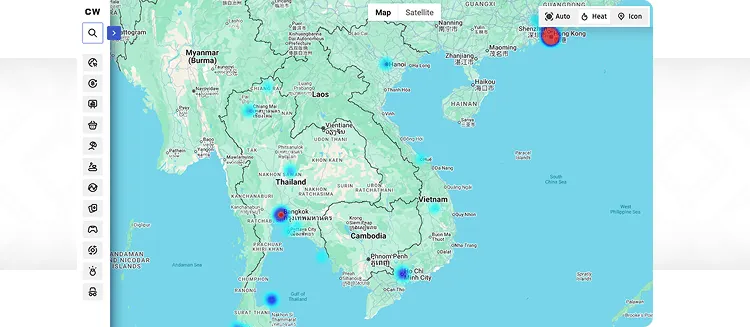
The strategic reforms are designed to achieve multiple objectives. Beyond satisfying FATF requirements, Vietnam aims to attract global venture capitalists and major crypto exchanges, boosting investor confidence by demonstrating a clear, regulated, and secure digital asset ecosystem. This forward-thinking approach is set to position Vietnam as a pivotal digital economy hub within Southeast Asia, fostering innovation while adhering to global compliance benchmarks.
The ultimate goal for Vietnam is clear: to be removed from the FATF gray list. Achieving this would signify a renewed trust from the international financial community in the country's financial integrity and regulatory robustness. By proactively integrating crypto assets into a compliant and transparent framework, Vietnam is not only fixing its reputation but also laying the groundwork for a secure and thriving digital economy.