
 BTC
BTC
 ETH
ETH
 LTC
LTC
 BCH
BCH
 DOGE
DOGE
 USDT
USDT
 DASH
DASH
 XRP
XRP
 USDC
USDC
 XMR
XMR
 BNB
BNB
 TRX
TRX
 SHIB
SHIB
 DAI
DAI
 ZEC
ZEC
 SOL
SOL
 ETC
ETC
 POL
POL
 XLM
XLM
 ADA
ADA
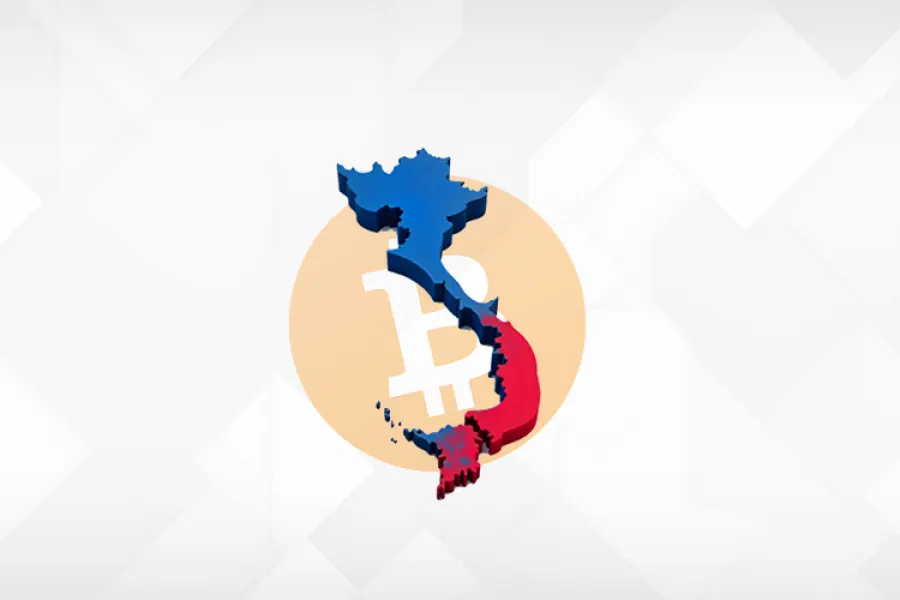
HANOI, Vietnam – In a landmark move, Vietnam’s National Assembly has officially approved the Law on Digital Technology Industry, marking a significant step towards the legalization and regulation of digital assets within the country. This comprehensive legislation is poised to reshape Vietnam's digital landscape, aligning it with global standards and fostering innovation in its burgeoning tech sector.
Effective January 1, 2026, the new law introduces a clear categorization of digital assets. It distinguishes between virtual assets, defined as assets used for exchange or investment (excluding securities and fiat currency representations), and crypto assets, which rely on encryption for transaction validation, similarly excluding traditional securities and fiat. This clear distinction provides much-needed clarity for businesses and investors operating within the digital space.

A cornerstone of the new framework is the government's enhanced role in managing and overseeing digital assets. The law mandates the government to provide detailed classifications, establish stringent business conditions, and implement robust management protocols. Crucially, regulatory agencies are tasked with enforcing stringent cybersecurity measures and fortifying defenses against money laundering, underscoring Vietnam's commitment to a secure and transparent digital economy. This proactive approach is expected to bolster Vietnam’s legal framework and could potentially lead to its removal from the Financial Action Task Force (FATF) monitoring list, signaling increased confidence from the international community.
Beyond digital assets, the law introduces a suite of powerful incentives designed to accelerate the growth of Vietnam's digital technology industry. These include attractive provisions for digital technology companies, support for the development of shared digital infrastructure, and mechanisms to nurture innovative startups. The legislation also prioritizes talent training and encourages controlled technology testing, creating a fertile ground for technological advancements.

Key digital technology products, such as software, artificial intelligence (AI), and semiconductors, are specifically highlighted for prioritized production and provision. Companies engaged in these crucial areas stand to benefit from various incentives, including favorable investment policies, tax breaks, and land-use advantages. Furthermore, the law explicitly supports the development of breakthrough chip lines and establishes guiding principles for risk control within AI systems, ensuring responsible innovation.
In conclusion, Vietnam's new Law on Digital Technology Industry represents a forward-thinking approach to integrating digital assets into its economy while simultaneously stimulating broader technological growth. By providing a clear legal framework, offering strategic incentives, and emphasizing robust regulation, Vietnam is positioning itself as a key player in the global digital economy, attracting investment and fostering an environment ripe for innovation.
