
 BTC
BTC
 ETH
ETH
 LTC
LTC
 BCH
BCH
 DOGE
DOGE
 USDT
USDT
 DASH
DASH
 XRP
XRP
 USDC
USDC
 XMR
XMR
 BNB
BNB
 TRX
TRX
 SHIB
SHIB
 DAI
DAI
 ZEC
ZEC
 SOL
SOL
 ETC
ETC
 POL
POL
 XLM
XLM
 ADA
ADA

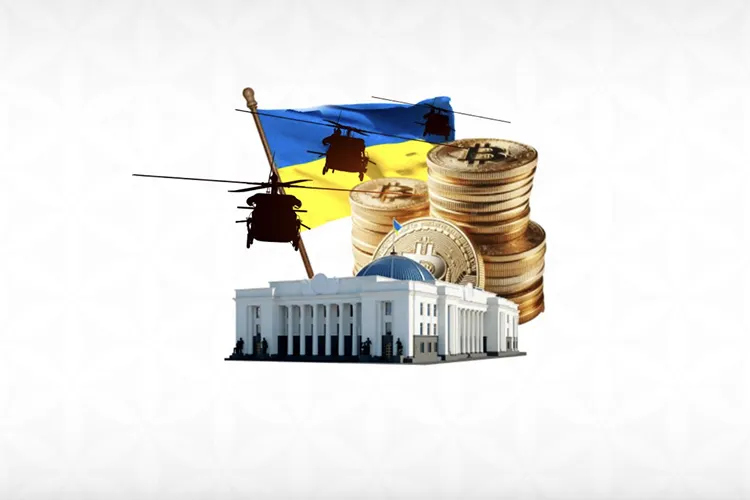
The first reading of a bill that would impose a 23% tax on the profits of virtual assets was approved by the Ukrainian parliament, marking a significant step toward the legalization of cryptocurrencies.
The action is taken at a time when the nation is dealing with increasing financial strains. Moreover, losses from illegal cryptocurrency flows of an estimated $10 billion, many of which are linked to vulnerabilities during the war.
Ukraine is sending a message that digital assets are essential to its financial future and are no longer merely a side issue by attempting to regulate a sector that has mainly operated in the shadows.
The bill also puts Ukraine in the center of the larger discussion about how countries should strike a balance between investor incentives, revenue needs, and international standards in the increasingly competitive crypto tax market.
Strong Parliamentary Backing
With 246 votes in favor, the bill was approved in its first reading by Ukraine's Verkhovna Rada on September 4, 2025, demonstrating strong cross-party support. For lawmakers, the vote was more about fiscal necessity than cryptocurrency fervor.
Ukraine wants to close wartime revenue gaps, comply with EU accession requirements, and stop billions of dollars from being lost through uncontrolled flows.
Additionally, the support communicates to foreign investors and partners that Ukraine is dedicated to creating a transparent, organized digital asset market as opposed to permitting ad hoc practices to persist.
This move toward regulation is part of a broader, global trend of crypto integration into mainstream finance and commerce. Beyond investment and remittances, digital assets are now facilitating a growing array of use cases. This ranges from supply chain management and decentralized identity verification to online entertainment, such as the ability to play slots with Bitcoin on licensed and safe platforms.
Regulatory Oversight Still Unclear
Although the tax structure is laid out in general terms, it is still unclear who will be in charge of overseeing and enforcing the system. Lawmakers are debating who should be in charge: the National Securities and Stock Market Commission or the National Bank of Ukraine.
Market integrity, investor protection, and monetary stability are among the various priorities that each institution brings to the table. The bill's transitional nature is reflected in this ambiguity: the first reading establishes the fundamentals, while the second reading is supposed to provide the specifics.
Until then, investors' and companies' compliance preparation may be impacted by regulatory uncertainty.
Wartime Financial Vulnerabilities Drive Regulatory Urgency
Ukraine is fighting for crypto adoption and regulation because it is necessary during a time of war. According to analysts, unregulated virtual assets have already cost the nation at least $10 billion in lost tax revenue and illegal flows.
Telegram-based drug operations, "money mule" schemes, and over-the-counter trading networks have made Ukraine a hub for cybercrime and money laundering.
Tax losses are not the only danger. According to investigations, cryptocurrencies have been used to buy banned parts for Russian military projects. The government is acting urgently to fix security flaws and increase revenue in light of these vulnerabilities. In its struggle to preserve its sovereignty, Ukraine runs the risk of further financial system exploitation if reform is not implemented.
EU Alignment and Global Tax Competition
Another step toward fulfilling EU accession requirements is Ukraine's new bill. By the end of 2025, Brussels anticipates that member candidates will have brought their virtual asset laws into compliance with European norms. Ukraine faces reputational damage and possibly downgrades by the Financial Action Task Force (FATF) if it does not align.
Crypto taxation is emerging as a competitive policy tool on a global scale. For instance, in an effort to increase indirect tax revenue through market expansion, Thailand has instituted a five-year exemption on capital gains for cryptocurrency traded through licensed platforms.
In contrast, Japan continues to impose income tax rates on cryptocurrency profits of up to 55%, a policy that the nation's blockchain association claims is deterring investors. While the OECD is aiming for a unified Crypto-Asset Reporting Framework by 2027, U.S. lawmakers are considering new excise taxes.
Ukraine's proposal to impose a 23% combined tax puts it at the stricter end of the spectrum amid these changing regulations, but policymakers see no other option given the pressures of war. The action demonstrates that governments are rushing to regulate, tax, and even include cryptocurrency in national reserves, making it more than just a sideline form of finance.