
 BTC
BTC
 ETH
ETH
 LTC
LTC
 BCH
BCH
 DOGE
DOGE
 USDT
USDT
 DASH
DASH
 XRP
XRP
 USDC
USDC
 XMR
XMR
 BNB
BNB
 TRX
TRX
 SHIB
SHIB
 DAI
DAI
 ZEC
ZEC
 SOL
SOL
 ETC
ETC
 POL
POL
 XLM
XLM
 ADA
ADA
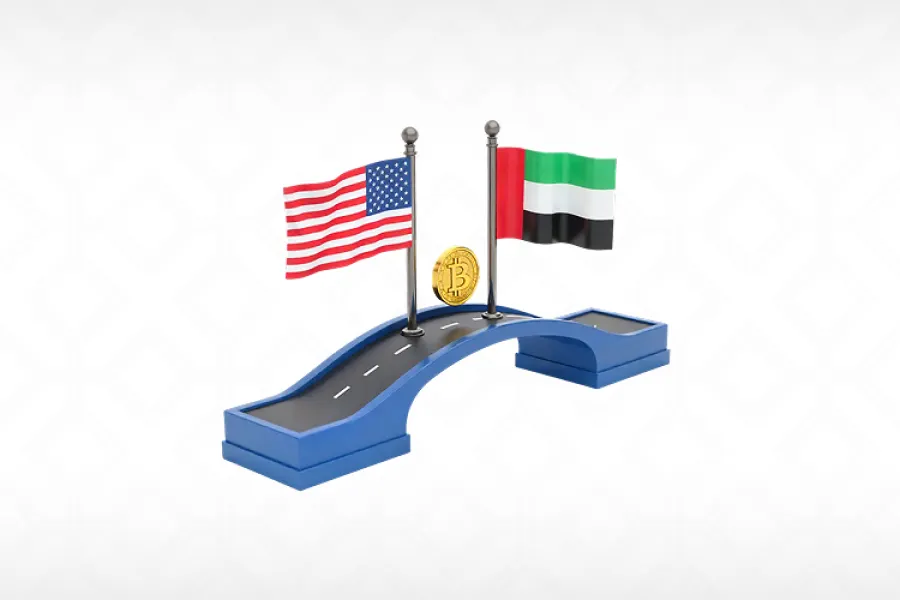
The global stablecoin landscape continues to evolve as both national banks and regional governments move closer to issuing regulated digital currencies backed by fiat reserves. Recent developments in the United Arab Emirates and the United States highlight how stablecoins are increasingly being treated as payment infrastructure rather than experimental crypto products.
RAKBank Receives Approval to Issue Dirham-Backed Stablecoin
One of the UAE’s leading financial institutions, RAKBank, has received in-principle approval from the Central Bank of the United Arab Emirates to issue a stablecoin fully backed by the Emirati dirham.
The proposed token will function as a payment-focused digital asset with 1:1 backing in dirhams, held in segregated and regulated accounts. According to the regulatory framework, reserves will be verifiable on-chain, providing transparent confirmation that issued tokens are fully collateralized.
The move reflects the UAE’s broader strategy to integrate blockchain-based payments into its financial system while maintaining strict oversight and reserve accountability. If fully approved, the stablecoin could be used for domestic payments, settlements, and potentially cross-border use cases within regulated environments.
Wyoming Launches First US State-Issued Stablecoin
In the United States, the state of Wyoming has taken a landmark step by launching the country’s first government-issued stablecoin, the Frontier Stable Token (FRNT).
The token has been deployed on the Solana blockchain and is already listed on the cryptocurrency exchange Kraken, signaling early market accessibility. Wyoming’s initiative positions the state as a leader in digital asset regulation and experimentation, building on its long-standing pro-crypto legal framework.
The launch of FRNT demonstrates how state-level actors in the US are exploring blockchain-based financial tools independently, even as federal discussions around stablecoin regulation continue.
Tether Registers the Hadron Trademark in Russia
Alongside developments in the UAE and the US, Tether has taken a notable step in Russia by registering the Hadron trademark with validity extending until October 2035.
According to media reports, the trademark may be used for blockchain-based financial services, crypto payments, cryptocurrency exchange operations, and work with tokenized assets within the Russian market. While no specific products under the Hadron brand have been announced, the registration suggests long-term strategic positioning rather than a short-term initiative.
The move highlights growing interest among major stablecoin issuers in securing local legal and branding foundations across multiple jurisdictions, even where regulatory approaches differ significantly.
Stablecoins Move Closer to Public Financial Infrastructure
Taken together, these developments point to a broader structural shift in how stablecoins are treated globally. Banks, regional governments, and major issuers are increasingly positioning stablecoins as regulated payment rails rather than speculative instruments.
With central bank oversight in the UAE, state-level issuance in the US, and long-term brand positioning by a global issuer in Russia, stablecoins are steadily becoming part of national and regional financial architectures. As this trend continues, the boundary between traditional finance and blockchain-based settlement systems grows less distinct, reinforcing stablecoins’ role in the future of digital payments.
