
 BTC
BTC
 ETH
ETH
 LTC
LTC
 BCH
BCH
 DOGE
DOGE
 USDT
USDT
 DASH
DASH
 XRP
XRP
 USDC
USDC
 XMR
XMR
 BNB
BNB
 TRX
TRX
 SHIB
SHIB
 DAI
DAI
 ZEC
ZEC
 SOL
SOL
 ETC
ETC
 POL
POL
 XLM
XLM
 ADA
ADA

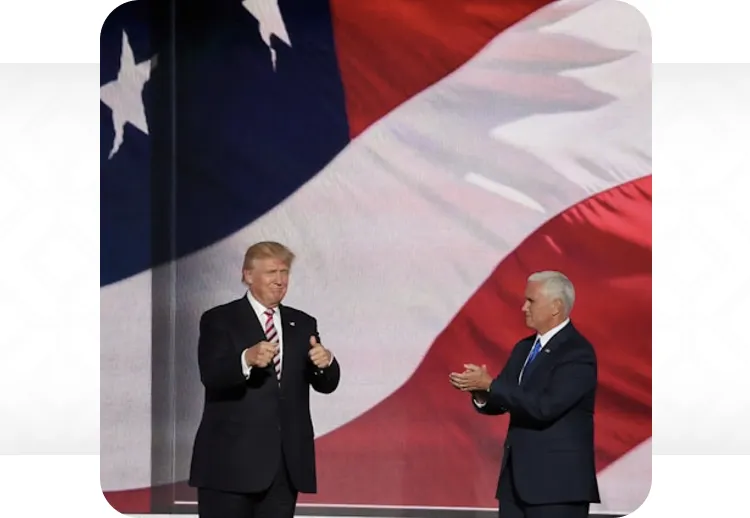
The intersection of cryptocurrency and traditional finance has been a topic of growing interest in recent years. Still, few could have predicted that former President Donald Trump would become a central figure in this evolving narrative. Trump, known for his different approach to politics and business, is now positioning himself as a bridge between the burgeoning world of digital assets and the established realm of old-school finance. This convergence marks a significant shift in the financial landscape, signaling the dawn of a new era for businesses and investors alike.
The Rise of Truth.Fi and Trump's Crypto Push
One of the most striking examples of this shift is the launch of Truth.Fi, a financial platform under the Trump Media and Technology Group. The platform offers a range of investment options, including exchange-traded funds (ETFs) and cryptocurrencies like Bitcoin. Unlike traditional financial institutions that remain hesitant about digital assets, Truth.Fi aims to bring legitimacy and mainstream acceptance to crypto investments. This initiative positions Trump as a key player in integrating digital currencies into conventional financial systems, reinforcing the credibility of crypto as a viable asset class.
Additionally, Trump's administration has introduced a working group on digital assets tasked with evaluating cryptocurrency regulations and the feasibility of a national digital asset reserve. This proactive approach seeks to reduce uncertainty in the crypto market while ensuring stability within the broader financial system.
A New Era of Businesses After Trump's Election
The post-election economy is experiencing a shift as businesses navigate this evolving financial landscape. Traditional corporations that once dismissed cryptocurrencies as speculative assets are now integrating them into their operations.
1. The Rise of Crypto-Friendly Startups
Beyond traditional finance, startups specializing in crypto solutions are flourishing. From blockchain-based payment systems to crypto SEO agencies that help businesses rank in decentralized search networks, a new ecosystem of financial technology companies is emerging. These startups are leveraging Trump's pro-business stance and regulatory clarity to innovate at an unprecedented pace.
2. Established Financial Institutions Embracing Crypto
Many banks and investment firms are now integrating digital assets into their portfolios. Companies like JPMorgan Chase and Goldman Sachs have introduced crypto trading desks, marking a new era of institutional adoption. As Bitcoin remains the most recognized digital asset, its increasing acceptance encourages more investors to explore options to buy Bitcoin, reflecting a broader shift in the financial industry.
3. Tokenized Assets and Real Estate Ventures
A growing number of real estate and investment firms are embracing tokenized assets, allowing fractional ownership through blockchain technology. This shift democratizes access to high-value investments, enabling a broader range of investors to participate in traditionally exclusive markets. Trump's influence in both real estate and finance makes this an especially notable development.
The Role of World Liberty Financial
Another major player in this evolving landscape is World Liberty Financial (WLF), a decentralized finance platform closely tied to Trump’s financial vision. WLF made headlines by purchasing over $100 million in cryptocurrency on Inauguration Day, a move that underscored its commitment to integrating digital assets with traditional financial services. By offering lending, trading, and investment solutions that bridge the gap between fiat and crypto, WLF is setting a precedent for future financial institutions looking to embrace blockchain technology.
Executive Actions and Regulatory Framework
The administration's pro-crypto stance is further evidenced by the recent executive order establishing a working group on digital assets. This group is tasked with developing potential regulations and evaluating the feasibility of a national cryptocurrency stockpile. Such measures aim to provide clarity and structure to the burgeoning crypto industry, encouraging its growth while ensuring stability and security within the financial system.
The Future: A Hybrid Financial Model
As Trump continues to advocate for a crypto-integrated economy, the financial world is witnessing a shift that could define the next decade of investment strategies. While regulatory hurdles remain, the overall trajectory suggests a future where traditional banking and decentralized finance work hand in hand.
From large financial institutions to small fintech startups, businesses across various industries are adapting to this new reality. With Trump at the forefront of this movement, the world is watching to see how his policies will shape the financial ecosystem, potentially making the United States a global leader in the harmonization of digital and traditional finance.
The coming years will be critical in determining whether this convergence fosters economic growth, financial inclusion, and a stable digital asset market—or if the risks outweigh the rewards. Either way, one thing is certain: the fusion of upstart crypto with old-school finance is here to stay.