
 BTC
BTC
 ETH
ETH
 LTC
LTC
 BCH
BCH
 DOGE
DOGE
 USDT
USDT
 DASH
DASH
 XRP
XRP
 USDC
USDC
 XMR
XMR
 BNB
BNB
 TRX
TRX
 SHIB
SHIB
 DAI
DAI
 ZEC
ZEC
 SOL
SOL
 ETC
ETC
 POL
POL
 XLM
XLM
 ADA
ADA
A simple pattern may be seen throughout the past several years. Digital money and entertainment are now intertwined. Although cryptocurrency was formerly thought of as something for traders, it is now a platform for connecting consumers, companies, and content providers.
Digital art, music, gaming, streaming, and online platforms have all developed in different ways, allowing people to engage in the financial model in addition to just consuming a product. Demand, competition, and new ways for individuals to interact with services are all brought about by this.
How Cryptocurrency Entered the Entertainment Industry
The initial phase was as practical as it could be. Cryptocurrency started to be used as a payment method. They were able to sidestep lengthy transactions, bank checks, and identification verification as a result. This option quickly gained popularity among users of games, streaming services, and paid services. It was practical, not because of the "romance of blockchain."
The next step is the tokenization of assets. While creative professionals began selling digital works in NFT format, sports organizations developed fan tokens. Some audience members felt more involved in the process as a result. The idea increased the market for digital property in spite of its flaws.
The third stage is now underway. We're looking at Web3 apps where users can use tokens to manage a part of the ecosystem and buy or pay for NFTs. This is an interesting scenario for athletes, fans, and private investors. Even while not all initiatives show consistent results, the demand for engagement models is growing.
What is Important for the User Here
They see a basic advantage. Cryptocurrencies offer an alternative to the banking model and saves time. Tokens provide ways to become involved. If you own a stake in the product as an asset, Web3 gives you the power to alter it through quick transactions.
Participation in projects using tokens and flexible monetization approaches without reliance on banks. This doesn't seem to be a fad. The entertainment sector has already witnessed this shift in behavior.
It makes sense for brands, too. You must adjust if the market demands involvement and digital ownership. Additionally, companies will inevitably embrace this approach as long as customers continue to pay for content using tokens.
Decentralization as a Tool for Content Makers
Major platforms do not force creators to agree to their rules. An artist used to only receive 12–15% of their earnings; on some Web3 sites, you may now keep up to 80%. In other words, the author is no longer reliant on recommendation algorithms. They receive a straight salary. Naturally, an audience is required. However, players receive more equitable terms when the economy is included in the product architecture.
The Video Game Market and Blockchain Mechanics
The Play to Earn model didn't make a revolution, but gave a clear signal. People are ready to receive rewards for activity. This doesn't mean everyone will switch to such games, but the concept itself has become part of the industry. Blockchain in games has several real points:
- control of digital assets;
- no dependence on a single server;
- ability to trade game items outside the platform.
Transferring assets between wallets became part of the user economy. Game studios also understood this. They're not rushing to integrate tokens everywhere, but are already testing mechanics with minimal risks.
The sector saw new behavior brought about by cryptocurrencies. People are willing to spend digital money on donations, awards, streaming services, and sporting events. This used to need a card top-up. Everything now functions inside an internal ecology.
This results in quicker transactions and reduced operating costs for a service. This signifies control for a user. Not everyone wants to justify purchasing two stream access permits to a bank.
According to Deloitte, in 2023, over 70 percent of companies in media and entertainment invested in Web3 or blockchain solutions. This isn't a market guarantee, but a clear signal about the development vector. This trend isn't moving thanks to hype. Businesses are simply looking for tools that lower costs and increase control.
Sports Market, Betting, and Cryptocurrency Integration
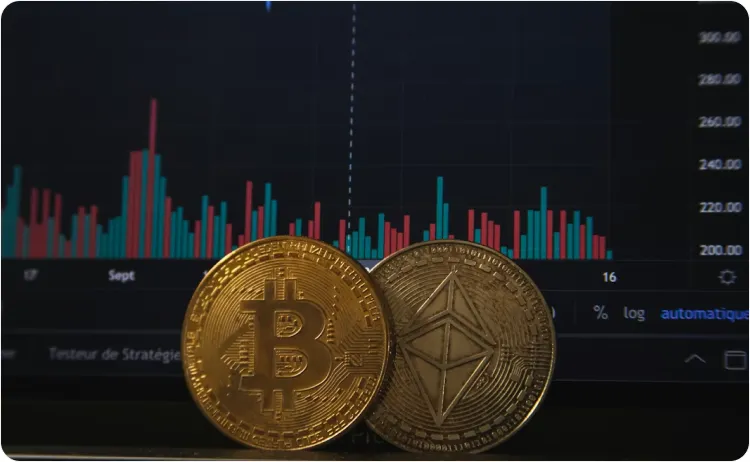
A separate category is linked to sports betting. Here, cryptocurrency became a working standard. Platforms similar to Win.BET, is testing an approach where a user can make a deposit and get payout options in digital assets. This removes delays with bank transfers and minimizes financial intermediary interference.
In betting, there's another practical factor. Cryptocurrency exchange rate affects user strategy. Some don't want to lock in losses or convert crypto to fiat. So they look for entertainment where cryptocurrency keeps its liquidity.
Digital Collections and NFTs
In the early years, NFTs resembled a speculative game. Now the model has become a licensing tool. Companies sell digital rights to iconic movie scenes or travel tickets to sports events. Such a model suits content producers. A user buys an asset that can be identified. The author sees the secondary market and receives royalties.
Problems that Shouldn't be Ignored
Industry transformation doesn't mean the absence of flaws. First, regulation. It's not clear in all countries how to classify digital assets. Second, security. A hacked wallet means loss of all purchased assets. Third, dependence on exchange rate swings. If you buy a ticket in Ether and the price drops 20 percent, the user is left with an unpleasant feeling.
Is the Industry Moving Toward Web3 Standard?
This process will likely take years. Large studios don't want to change a business model that brings profit. But they're already implementing wallets, internal tokens, and digital item purchases in their ecosystems. It's simple logic. If a new tool brings more transactions, it stays. Small studios move forward faster. They use blockchain to find an audience. They don't need to hold onto old formats.
From this vantage point, entertainment will seem as follows: a user walks in, attaches a wallet, and accesses material without having to register. They may leave the site without having their money locked, and they can view their balance, bonuses, and tokens. This is a convenience request. A platform reduces audience churn if it can simplify its operations. Crypto technologies don't replace traditional platforms, but create an alternative. The entertainment industry is changing under pressure from simple factors:
- lower operational expenses;
- faster transactions;
- absence of extra checks;
- direct payments to authors;
- gamification of payments.
A user wants to control financial operations and time. Cryptocurrency gives this control. The market will be cautious, but it will definitely move in a direction where digital assets become not an experiment but a handy tool for payment, access, and product interaction.