
 BTC
BTC
 ETH
ETH
 LTC
LTC
 BCH
BCH
 DOGE
DOGE
 USDT
USDT
 DASH
DASH
 XRP
XRP
 USDC
USDC
 XMR
XMR
 BNB
BNB
 TRX
TRX
 SHIB
SHIB
 DAI
DAI
 ZEC
ZEC
 SOL
SOL
 ETC
ETC
 POL
POL
 XLM
XLM
 ADA
ADA
If for many years XRP’s fate was heavily influenced by the Ripple vs. SEC lawsuit, the XRP news today tells a different story. No longer burdened by the weight of the allegations brought by the United States Securities and Exchange Commission (SEC), and with its legal status finally clarified, the asset is now free to move forward, and by the looks of it, it hasn’t wasted any time in doing so.
On November 12, 2025, XRP passed a major threshold as Canary Capital’s spot XRP exchange-traded fund (ETF) got approved and commenced trading on Nasdaq the following day. Since then, most of the media coverage has been focusing on the coin’s future and the potential impact that this development might have on its trajectory. Since this is, without a doubt, the most notable event in XRP’s recent history, it’s worth taking a closer look at it and analyzing both the factors that have led to this point and the potential effects.
Precedents
Those who have been keeping track of crypto’s evolution probably know that Canary’s XRP ETF is not the first crypto-based spot ETF to hit the market. Hardly surprising, Bitcoin was the one to break the ice, back in January 2024. After many trials and tribulations, the US SEC gave the green light for eleven spot BTC ETFs from several major asset managers, including BlackRock, Grayscale, Fidelity, and VanEck. Not long after that, in July of the same year, the first spot ETFs tracking the price of Ethereum also received approval and began trading.
This meant that for the first time ever, investors had the chance to invest in digital currencies directly, using traditional channels they were familiar with, instead of resorting to derivatives. So, by the time spot XRP ETF arrived, these types of products no longer represented a novelty. However, that doesn’t make the launch of Canary’s XRP ETF any less momentous. On the contrary, it only makes its debut even more resounding.
Despite all the back and forth that preceded their authorization, it was rather expected for Bitcoin and Ethereum to have their own ETFs sooner or later. These are the two biggest and most recognized cryptocurrencies in the market, so it was only a matter of time until they got included in the ETF space. The SEC kept rejecting applications for them because they feared that such products could lead to market manipulation, but in the end, they had no choice but to admit there was no reason to postpone the listing.
Things were different with XRP since the crypto doesn’t benefit from the same standing and popularity as BTC and ETH. Yet, the launch of the spot XRP ETF was much swifter and smoother, due to a series of factors that we’re going to discuss shortly. This proves that the integration of digital assets into ETF products was not just an exception made for the two crypto giants.
Key drivers
The ease with which the listing of Canary’s XRP ETF (with the ticker XRPC) went through is largely owed to the precedents. Once the SEC agreed to pass the first crypto-focused ETFs based on Bitcoin and Ethereum, the ratification of other similar products became pretty much a formality. So, the launch of BTC and ETH ETFs paved the path for the arrival of altcoin ETFs, which is exactly what happened.
The success that the first ETFs enjoyed inspired and encouraged issuers to develop new products in this area. Solana, Litecoin, and Hedera ETFs entered the market one by one and expanded the list of crypto-focused ETFs. This trend was also driven by the large number of traders and investors interested in gaining access to smaller coins that offer lower barriers to entry.
The government shutdown also created a favorable context for the approval of spot crypto ETFs. This prompted the SEC to allow applicants to remove the delaying amendment in their S-1 registration statements, after which the filings become effective automatically in 20 days' time. The amended application process made it easier for investment companies to launch their ETFs, and it seems like they took full advantage of it.
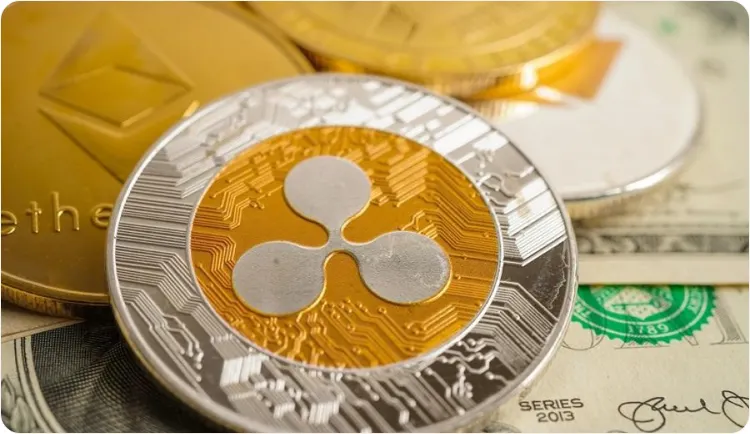
Although it’s not directly tied to the approval, Ripple’s victory against the SEC can also be cited as a factor. It was only a partial victory, since the court decided that the firm acted lawfully only when it sold XRP on public exchanges, but violated federal securities law with institutional sales of XRP. Nevertheless, the fact that the SEC dropped the appeal against Ripple and the case finally ended restored XRP’s reputation. It made people realize that XRP wasn’t just a crypto embroiled in a high-profile legal scandal, as the media had painted it, but a powerful digital asset with much to offer. Traders and investors who were put off by the uncertainty surrounding the asset during the lawsuit eventually regained their trust and confidence in XRP’s potential.
Potential implications
Speaking of potential, all the action that XRP has seen lately gives rise to a very legitimate question, namely, what will happen next? The long-term effects that the spot XRP ETF might have on the crypto may be difficult to gauge, but analysts foresee several prospective scenarios.
First of all, as in previous cases, we might see participation from institutional investors increase as it becomes easier for them to gain exposure to XRP. This could lead to higher demand for XRP and cause its price to go up. Growing interest could further translate into enhanced liquidity and legitimacy.
At the same time, Ripple might also benefit from all this exposure and visibility. Institutions might become aware of the services that the company provides, and some could start using them, which would help the Ripple ecosystem develop.
On the other hand, the approval could also spark speculative buying, in which case XRP could become more volatile. As for broader implications, it’s possible that this will encourage more altcoin ETF filings.
Any of these scenarios is just as likely, so for the time being, we can only wait and see how this chapter in XRP’s existence is going to unfold.
