
 BTC
BTC
 ETH
ETH
 LTC
LTC
 BCH
BCH
 DOGE
DOGE
 USDT
USDT
 DASH
DASH
 XRP
XRP
 USDC
USDC
 XMR
XMR
 BNB
BNB
 TRX
TRX
 SHIB
SHIB
 DAI
DAI
 ZEC
ZEC
 SOL
SOL
 ETC
ETC
 POL
POL
 XLM
XLM
 ADA
ADA

The latest RSS signals show a practical shift in crypto adoption: stablecoin payments are moving closer to banks, credit unions, regulated exchanges and enterprise settlement.
Stablecoin Infrastructure Is Moving Into Traditional Finance
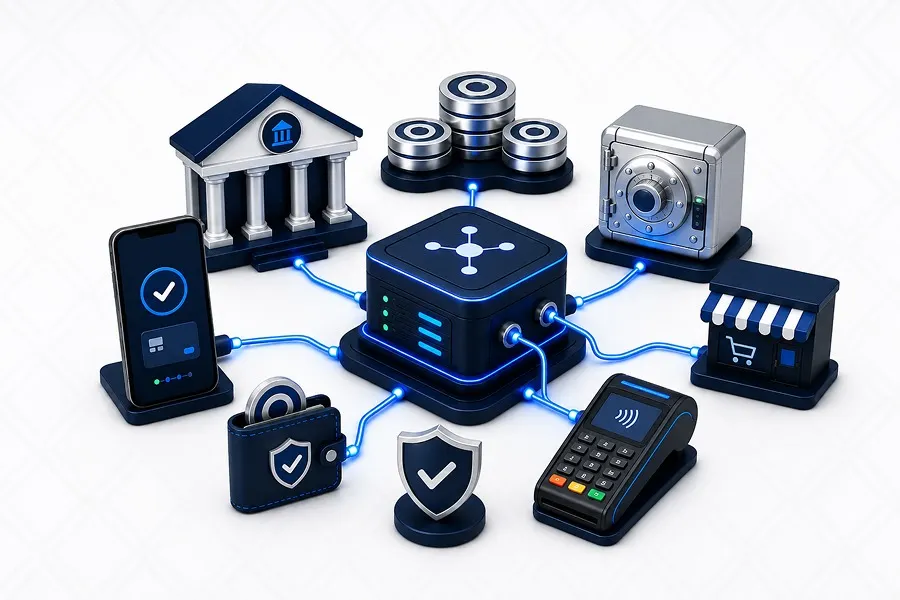
Stablecoins are becoming one of the clearest bridges between crypto and mainstream payments. The latest news around U.S. credit unions joining a stablecoin infrastructure program is important because credit unions are not speculative crypto players. They serve consumers, local businesses and community finance. When institutions with billions in assets test stablecoin payments and digital asset services, the signal is practical adoption.
For Cryptwerk readers, the key point is not only that another financial institution is experimenting with crypto. It is that stablecoins are increasingly being treated as payment infrastructure. They can support faster settlement, simpler digital transfers and more flexible business flows than legacy rails in some use cases. That connects directly to how users already think about USDT, USDC and other stable payment assets: not as price bets, but as tools for moving value.
This shift matters for merchants because a stablecoin payment can reduce the volatility problem that still limits many crypto checkout experiences. A customer may want to pay with digital assets, while a business wants predictable accounting and settlement. Stablecoin rails sit between those needs. If credit unions, banks and payment providers continue to test these systems, stablecoins could become a more normal part of business payment operations.
Regulation Is Becoming the Gatekeeper
The second major signal is regulation. The upcoming MiCA pressure in Europe shows that crypto platforms without the right licensing face a harder operating environment. Exchanges and payment providers are being pushed to decide whether they want to serve regulated markets properly or risk losing access.
For users, this can feel like friction. For businesses, it can be the opposite. A merchant, finance team or payment processor usually wants rails that can survive compliance review. The more crypto services move into licensed frameworks, the easier it becomes for companies to consider crypto payment options without treating them as an experimental side channel.

Recent licensing and deadline news from Europe also shows why crypto payment gateways are becoming more important. A gateway does not only process a transaction. It can help with routing, reporting, settlement, conversion and compliance. As regulation becomes part of the product, gateways and payment infrastructure providers may become the layer that makes crypto payments usable for businesses that cannot operate on trust alone.
Japan Shows Why Banking and Crypto Are Converging
Japan is another useful signal. News around SBI's move to acquire Bitbank points to a market where exchange access, banking relationships and regulated crypto services are becoming more closely connected. That type of consolidation matters because it can make crypto services feel less fragmented for users and businesses.
At the same time, reports about stablecoin settlement for corporate foreign exchange show a more specific use case. International businesses already deal with currency conversion, settlement timing and treasury management. Stablecoins can become useful when they help reduce delays or simplify movement between digital and traditional systems. The attraction is not hype. It is operational efficiency.
For merchants, this is part of the larger adoption story. A business that accepts crypto does not want complexity after checkout. It wants funds received, recorded, converted if necessary and settled in a usable form. That is why crypto finance services and regulated infrastructure are becoming as important as the payment button itself.
Tokenized Payments Could Change Cards and Wallets
Another important thread is the future of cards and digital credentials. Recent commentary around bank cards potentially being replaced by tokens and biometrics by 2030 points to a payment world where the plastic card becomes less central. The user may still think they are paying in a familiar way, but the back end may rely on tokenized credentials, wallet approvals, biometric authentication and programmable payment rails.
This fits naturally with crypto wallets. A wallet is not only a place to store assets. It can become an identity, approval and payment-control layer. If payments become more tokenized, crypto wallets and wallet-like tools may play a bigger role in how users authorize transactions across different services.
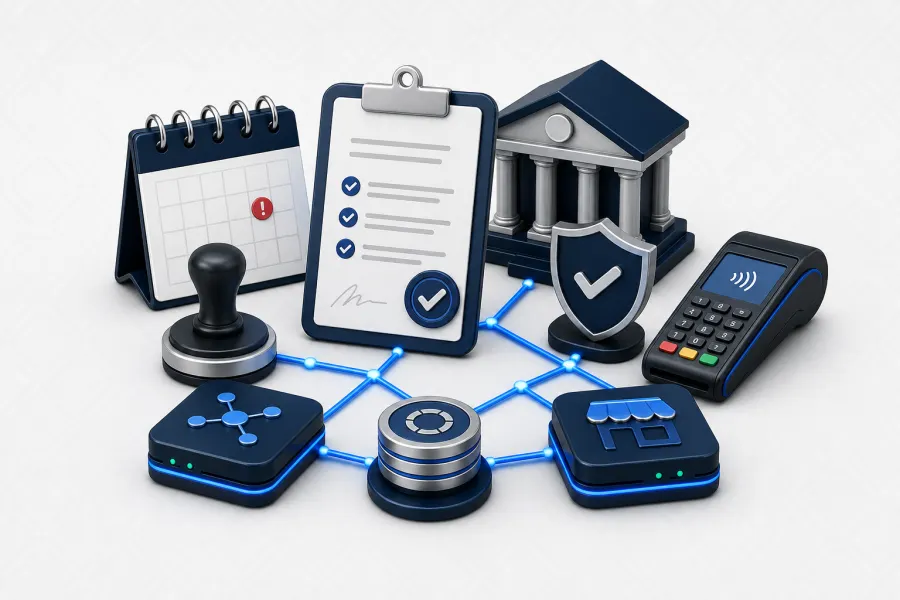
The same applies to crypto cards. Cards remain useful because they connect digital value to familiar merchant infrastructure. But the long-term trend may be less about the physical card and more about the rails behind it: tokenized credentials, settlement rules, risk controls and wallet permissions.
What This Means for Crypto Adoption
The strongest signal from the latest RSS pool is that crypto payments are moving toward infrastructure maturity. Credit unions are testing stablecoin services. European platforms are facing licensing deadlines. Japanese firms are combining exchange and banking strategies. Stablecoin settlement is being discussed for corporate FX. Tokenized credentials are pushing payments beyond plastic cards.
For users, this can make crypto spending easier and safer over time. The goal is not to force everyone to understand every network, wallet or settlement layer. The goal is to make it easier to pay with Bitcoin and other cryptocurrencies through rails that feel reliable.
For merchants, the trend is even more practical. Better stablecoin infrastructure can reduce volatility. Regulated services can reduce compliance uncertainty. Gateways can connect crypto, fiat and reporting. Wallets and tokenized credentials can make approvals safer. Together, these pieces point toward a market where shops accepting cryptocurrency can rely on more mature payment tools than they had in earlier crypto cycles.
Crypto adoption is not only about more coins or higher prices. It is about payment systems that businesses can actually use. The latest developments show that the next stage may be built around regulated stablecoin rails, licensed platforms, tokenized credentials and payment infrastructure that makes crypto usable in normal commerce.
