
 BTC
BTC
 ETH
ETH
 LTC
LTC
 BCH
BCH
 DOGE
DOGE
 USDT
USDT
 DASH
DASH
 XRP
XRP
 USDC
USDC
 XMR
XMR
 BNB
BNB
 TRX
TRX
 SHIB
SHIB
 DAI
DAI
 ZEC
ZEC
 SOL
SOL
 ETC
ETC
 POL
POL
 XLM
XLM
 ADA
ADA
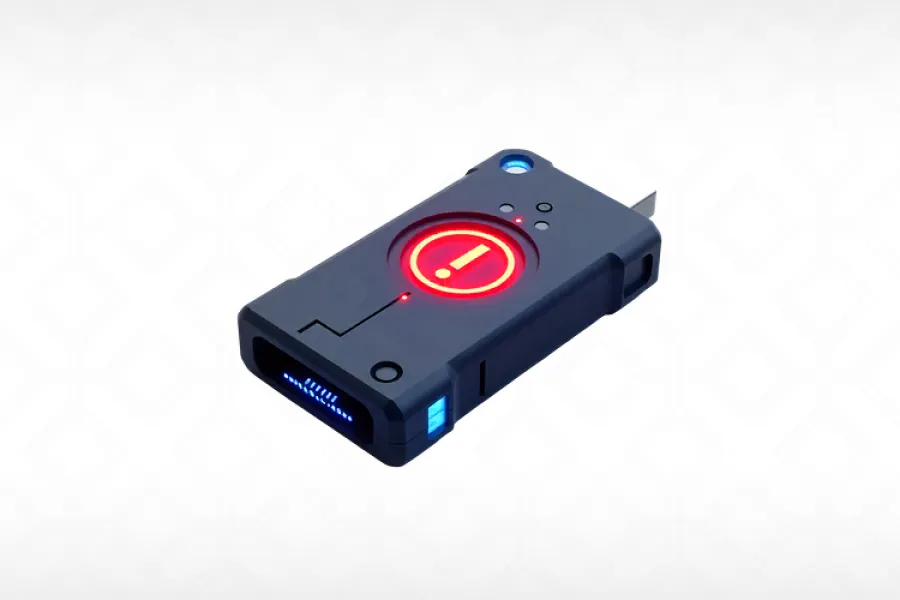
The crypto industry continues to move along two parallel tracks: expanding mainstream adoption and evolving security threats. Recent developments highlight both sides of this trajectory — from sophisticated phishing campaigns targeting hardware wallet users to growing corporate acceptance of Bitcoin in the United States and Europe.
Physical phishing letters target Trezor and Ledger users
Users of hardware wallets from Trezor and Ledger have become the targets of a new phishing campaign involving physical mail.
According to cybersecurity reporting, attackers are sending printed letters that claim recipients must complete a mandatory “authentication check” or “transaction verification” to avoid losing access to wallet functionality. The letters create a sense of urgency and instruct victims to scan QR codes that redirect to malicious websites designed to steal recovery phrases or sensitive credentials.
The use of traditional postal services adds a layer of perceived legitimacy, demonstrating how social engineering tactics are evolving beyond email and SMS phishing into hybrid offline-online attack vectors.
Ferrari expands crypto payments to the US and Europe
Luxury automaker Ferrari has announced that it now accepts Bitcoin and other cryptocurrencies as a payment method in both the United States and Europe.
The move builds on Ferrari’s earlier crypto payment initiatives and signals continued integration of digital assets into high-value retail purchases. By enabling crypto transactions in major Western markets, the company positions itself alongside other global brands experimenting with digital payment flexibility for affluent clients.
While crypto payments remain a niche segment in automotive sales, the expansion suggests sustained corporate interest in offering alternative payment rails.
Steak ’n Shake reports sales growth after adopting Bitcoin
Meanwhile, restaurant chain Steak ’n Shake reported a noticeable increase in same-store sales after introducing Bitcoin payments.
The company processes Bitcoin transactions via the Lightning Network, reducing payment processing costs by approximately 50% compared to traditional card fees. Beyond cost savings, Steak ’n Shake allocates received crypto payments into its Bitcoin treasury reserve, which is also used to fund employee bonus programs.
The initiative demonstrates how operational efficiency and treasury strategy can intersect in corporate Bitcoin adoption, particularly when lower transaction fees and faster settlement mechanisms are leveraged effectively.
Why It Matters
These developments reflect the dual reality of crypto’s maturation. On one hand, attackers continue refining social engineering tactics, targeting even hardware wallet users through increasingly sophisticated offline channels. On the other hand, established global brands and restaurant chains are expanding crypto payment acceptance, integrating Bitcoin into treasury management and operational cost strategies.
The contrast highlights a key dynamic of the current market phase: as digital assets gain deeper mainstream integration, security awareness and infrastructure resilience must evolve at the same pace. Adoption and risk are advancing together, shaping the next chapter of crypto’s global trajectory.
