
 BTC
BTC
 ETH
ETH
 LTC
LTC
 BCH
BCH
 DOGE
DOGE
 USDT
USDT
 DASH
DASH
 XRP
XRP
 USDC
USDC
 XMR
XMR
 BNB
BNB
 TRX
TRX
 SHIB
SHIB
 DAI
DAI
 ZEC
ZEC
 SOL
SOL
 ETC
ETC
 POL
POL
 XLM
XLM
 ADA
ADA
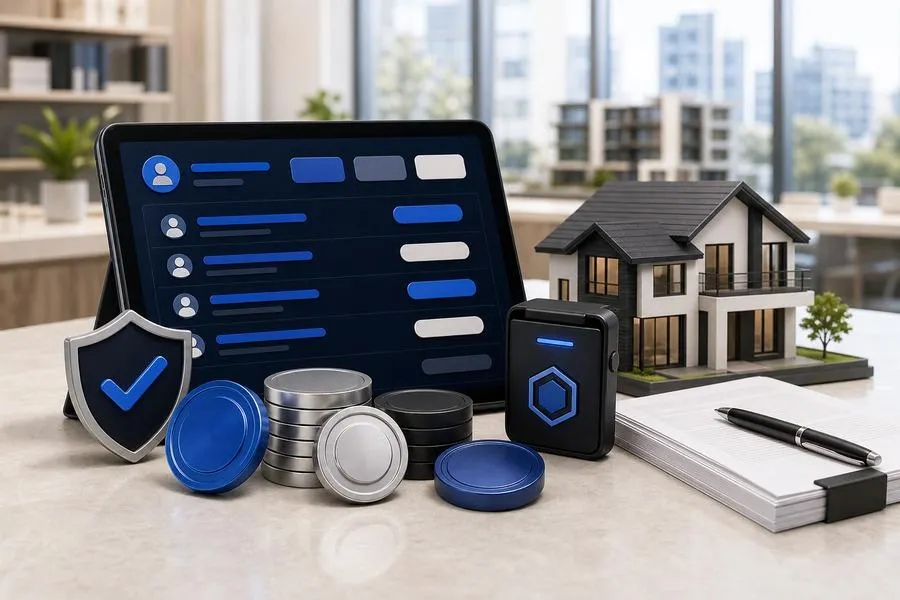
Just a few years ago, paying employees in cryptocurrency or purchasing property with digital assets sounded like a niche concept reserved for blockchain startups and early adopters.
In 2026, the conversation has become far more practical. Businesses are exploring stablecoins for international payroll, real estate professionals are seeing growing interest in crypto-related transactions, and regulators in many jurisdictions are working to establish clearer frameworks for digital assets.
That doesn't mean cryptocurrency has replaced traditional finance. In most cases, adoption is happening gradually and selectively. Companies are choosing crypto where it solves specific problems, such as reducing cross-border payment delays or simplifying international transactions, while continuing to rely on conventional banking for many everyday operations. The result is a hybrid financial landscape where digital assets are becoming another option rather than a complete replacement for existing systems.
Crypto Payroll Is Becoming More Practical
One of the strongest areas of adoption has been international payroll. Companies employing remote workers across multiple countries often face delays, currency conversion costs, and banking limitations when making traditional international payments. Stablecoins have emerged as an alternative that can reduce settlement times while giving workers more flexibility in how they receive compensation. At the same time, employers still need to comply with local labor laws, tax regulations, and reporting requirements, so crypto payroll is often offered as an optional payout method rather than replacing conventional payroll entirely.
As businesses modernize payroll operations, many also invest in broader workforce management systems. Organizations evaluating HR, payroll, compliance, and employee administration solutions often explore Sunrise HCM when looking for platforms that simplify workforce operations across growing teams. Whether payments ultimately move through traditional banking systems or newer digital payment methods, efficient payroll management continues to depend on accurate records, compliance, and reliable administrative processes.
Real Estate Is Experimenting With Digital Assets
Real estate has also become an area of growing interest for blockchain technology. While relatively few residential property purchases are completed entirely with cryptocurrency, digital assets are increasingly being incorporated into certain transactions, especially among buyers and sellers already active in the crypto ecosystem. In many cases, cryptocurrency is converted into traditional currency before closing, allowing deals to fit within existing legal, lending, escrow, and title processes.
Buyers considering condominium ownership still need to understand local market conditions before making any financial decision. Many prospective homeowners use resources such as buying a condo in seattle to better understand neighborhood differences, ownership costs, financing considerations, HOA responsibilities, and the purchasing process before entering a competitive housing market. Whether payment involves traditional financing, converted crypto assets, or a more experimental transaction structure, preparation remains one of the most valuable parts of any real estate deal.
Compliance Still Determines What Is Actually Possible
The biggest barrier to wider crypto adoption is not technology alone. Payroll and real estate are both highly regulated areas where accuracy, documentation, tax reporting, identity verification, and legal compliance matter enormously. A business may be technically capable of sending employees stablecoin payments, but it still needs proper payroll records, tax withholding, wage compliance, and clear employee agreements. A property buyer may hold enough crypto to purchase a condo, but lenders, escrow companies, title insurers, and sellers may still require traditional documentation or conversion into standard currency before closing.
That is why many organizations are taking a cautious approach. Instead of rebuilding entire systems around crypto, they are testing limited use cases where digital payments solve a clear problem. Contractors, international teams, high-net-worth buyers, and tech-forward companies are often the first groups to explore these options because they already understand the benefits and risks more clearly than the average consumer.
Adoption Depends on Solving Real Problems
The most successful uses of crypto are generally the ones that address practical pain points rather than adopting new technology simply because it sounds modern. Faster international settlement, lower friction for cross-border contractors, programmable payment options, and more flexible treasury management can all be useful when implemented carefully. In real estate, crypto may appeal to buyers who want liquidity from digital assets without fully exiting that market long before a purchase.
At the same time, cryptocurrency is not the right solution for every transaction. Market volatility, accounting complexity, regulatory uncertainty, security risks, and uneven adoption mean traditional financial systems remain essential. Most companies and property professionals are therefore moving toward gradual integration rather than complete replacement.
Crypto Is Becoming an Option, Not the Whole System
By 2026, the conversation around crypto payroll and real estate has become more mature. The question is no longer whether digital assets are interesting, but where they actually improve existing processes. Payroll teams are looking at flexibility for global workers. Real estate professionals are exploring how crypto wealth enters property markets. Buyers, sellers, and employers are asking practical questions about timing, compliance, conversion, and documentation.
The future is likely to be hybrid. Traditional banking, stablecoins, blockchain-based payments, and conventional financing will continue existing side by side. For businesses and consumers, the advantage will come from understanding which tool fits each situation best. Crypto may not replace payroll systems or real estate transactions entirely, but it is increasingly becoming part of the financial toolkit used by companies, workers, and buyers who want more flexibility in how money moves.