
 BTC
BTC
 ETH
ETH
 LTC
LTC
 BCH
BCH
 DOGE
DOGE
 USDT
USDT
 DASH
DASH
 XRP
XRP
 USDC
USDC
 XMR
XMR
 BNB
BNB
 TRX
TRX
 SHIB
SHIB
 DAI
DAI
 ZEC
ZEC
 SOL
SOL
 ETC
ETC
 POL
POL
 XLM
XLM
 ADA
ADA
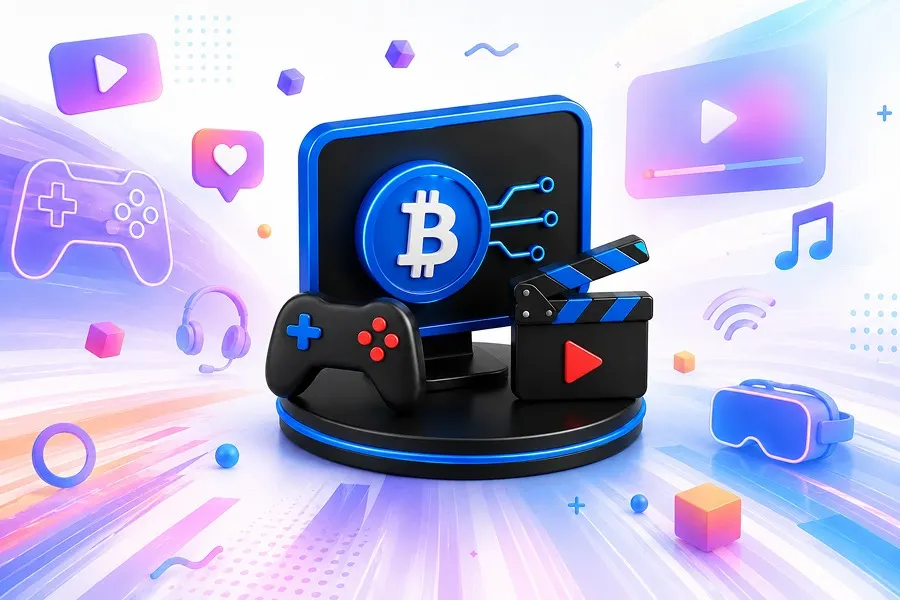
The evolution of payment systems over the past few years has dramatically transformed the landscape of international e-commerce. Traditional bank transfers and plastic cards are rapidly losing ground in cross-border operations, giving way to decentralized technologies. This trend is especially visible in the online entertainment industry, where speed, privacy, and minimal transaction fees are critical for end users.
Integration of Cryptocurrency Payments into Digital Entertainment: Trends and Infrastructure
Modern entertainment platforms such as Pinco are actively implementing multi-currency cryptocurrency gateways that allow transactions to be processed automatically without intermediaries. The use of digital assets as a primary or alternative payment method is becoming a de facto standard for operators seeking to scale their business globally and attract a technologically advanced Web3 audience.
Why iGaming and Digital Content Are Choosing Blockchain
The digital entertainment industry has always been at the forefront of technological progress. This sector was among the first to recognize the advantages of decentralized networks. The main economic and infrastructural drivers behind cryptocurrency integration can be divided into several key areas:
Elimination of Chargebacks
For any online business, fraudulent chargebacks represent a serious financial problem. Blockchain transactions are inherently irreversible. Once a transfer is confirmed by the network, the funds are guaranteed to reach the recipient, effectively eliminating fraud risks.
Instant Cross-Border Transactions
While traditional SWIFT transfers or correspondent bank transactions may take several business days, transfers on networks such as TRON, Solana, or Ethereum Layer-2 solutions are completed within seconds or minutes.
Financial Inclusion
Millions of people worldwide remain unbanked yet still have access to smartphones and the internet. Cryptocurrency wallets allow them to participate fully in the digital economy without relying on traditional financial institutions.
Stablecoins as the Bridge Between Fiat and Web3
In the early days of the crypto industry, payments were primarily made using volatile assets such as Bitcoin or Litecoin. By 2026, however, the focus has shifted toward stablecoins. Tokens pegged to the US dollar (USDT, USDC) or euro (EURC) minimize commercial risks for both platforms and users.
The integration of stablecoins into the Pinco ecosystem demonstrates how large businesses solve the problem of volatility. Users can fund their accounts or lock in profits without worrying that asset prices will fluctuate by 10–15% during transaction processing.
Moreover, modern payment processors now offer auto-swap functionality: a customer can send Ethereum or Bitcoin to the platform’s wallet, while the merchant-side system automatically converts the assets into stablecoins at the current exchange rate, protecting the company’s operational capital.
Security and Architecture of Crypto Payment Gateways
Deploying reliable payment infrastructure requires strict adherence to security protocols. There are two primary approaches to cryptocurrency payment integration: using custodial merchant services or building a proprietary non-custodial architecture.
When using ready-made processors, integration occurs through APIs, while technical support and transaction security are handled by the provider. If a large-scale company like Pinco develops its own custom solution, the infrastructure typically includes:
HD Wallets (Hierarchical Deterministic Wallets)
These wallets allow platforms to generate unique addresses for each invoice or user transaction based on a single master seed phrase. This improves privacy and simplifies transaction tracking.
Blockchain Nodes
Direct connection to dedicated blockchain nodes ensures that the platform instantly detects incoming payments without relying on third-party APIs that may become unstable during periods of heavy network congestion.
Cold and Hot Storage
For operational needs, platforms use “hot” wallets with limited balances, while the majority of digital assets are automatically transferred to secure “cold” storage solutions such as hardware wallets or multisignature systems with distributed key management.
Layer-2 Infrastructure and Cost Optimization
One of the major technological challenges of blockchain networks has long been high gas fees during Ethereum congestion. By 2026, this issue has largely been resolved through the mass adoption of Layer-2 networks such as Arbitrum, Optimism, and Base.
For digital entertainment platforms, Layer-2 integration has been transformative. Microtransactions worth only a few dollars are now economically viable. Users can perform dozens of small transactions within the Pinco ecosystem while paying only fractions of a cent per operation, all while maintaining Ethereum’s security standards.
This opens enormous opportunities for in-game economies, digital merchandise purchases, and real-time micropayments.
Conclusion
Cryptocurrency payments have evolved from a niche tool for tech enthusiasts into a foundational element of global digital commerce. Brands that recognized the potential of decentralized finance early and integrated crypto processing into their ecosystems now hold leading positions in the market.
The experience of major entertainment projects, including the Pinco platform, clearly demonstrates that freedom of financial transactions, high processing speed, and low operational costs are exactly what modern users expect from high-quality digital services.
As Web3 technologies continue to develop and cryptocurrency regulations become more adaptive, having a flexible, secure, and multifunctional crypto gateway will remain a key competitive advantage for any IT product operating on the international stage.
