
 BTC
BTC
 ETH
ETH
 LTC
LTC
 BCH
BCH
 DOGE
DOGE
 USDT
USDT
 DASH
DASH
 XRP
XRP
 USDC
USDC
 XMR
XMR
 BNB
BNB
 TRX
TRX
 SHIB
SHIB
 DAI
DAI
 ZEC
ZEC
 SOL
SOL
 ETC
ETC
 POL
POL
 XLM
XLM
 ADA
ADA
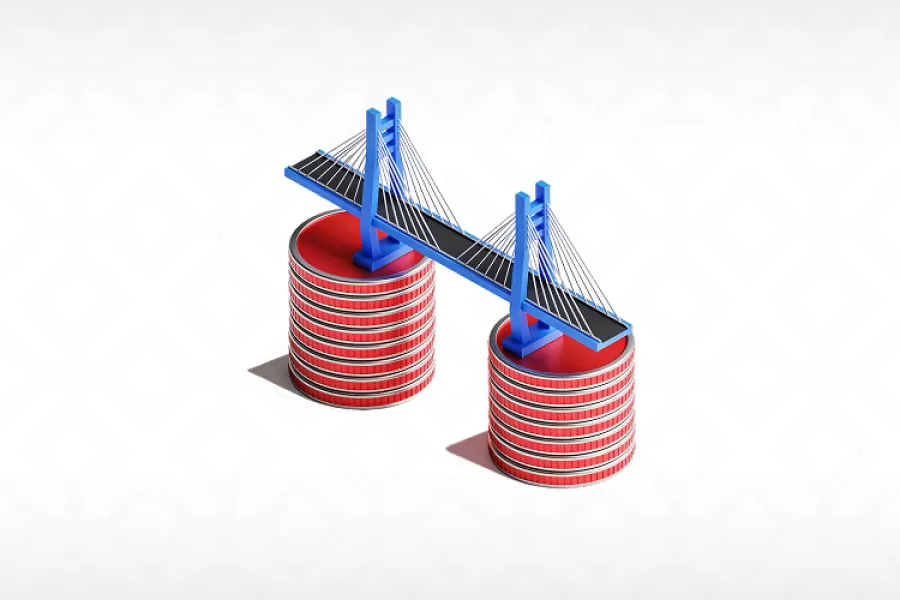
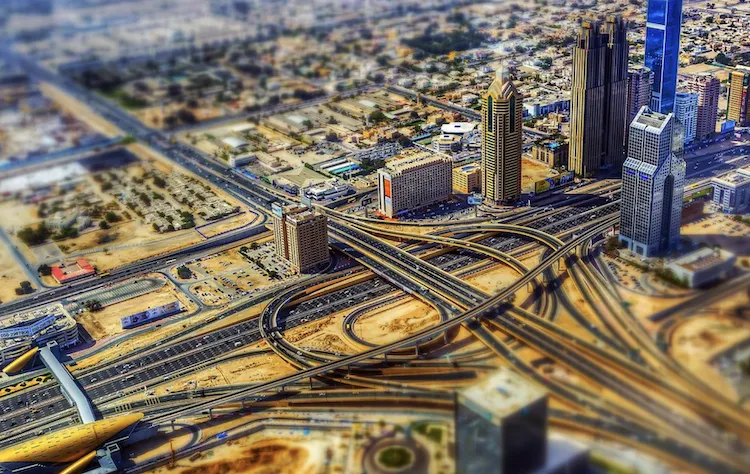
The Gulf region is investing in sports infrastructure at a remarkable pace. Riyadh is building new stadiums rapidly, Doha turned a desert into World Cup venues in less than a decade, and Abu Dhabi created a Formula 1 circuit around a marina. Yet, modern facilities alone do not guarantee sporting success.
What matters is whether this spending can build lasting systems that develop athletes, strengthen leagues, and generate stable revenue. The coming decade will show whether this boom is only a wave of ambitious spending or a genuine long-term transformation. Much of the world is now watching closely to see which projects can deliver real and lasting results.
State-Led Capital as the Primary Driver
The primary driver of the new systems in the Gulf states is government investment. With public financial backing, construction has moved at a much faster pace than in fragmented private markets. As interest in major sporting projects keeps growing online, platforms such as MelBet are also becoming part of the wider digital conversation around football, infrastructure, and audience engagement in the region. Stadiums are being built quickly, athletes are receiving scholarships, and new partnerships are being launched in a much shorter time frame.
However, that speed comes with pressure. These systems must eventually justify the investment by generating returns, including through advertising and commercial revenue around sporting events. Eventually, continued growth will depend on whether these projects can produce winning teams, attract audiences, and operate sustainably.
Climate-Adapted Infrastructure and Modern Facilities
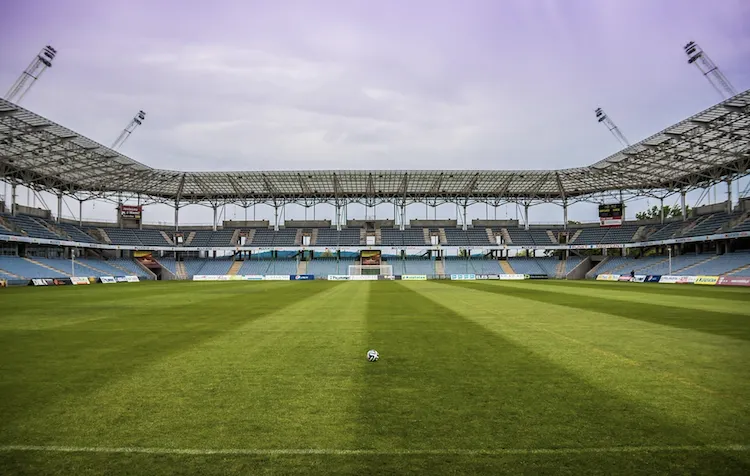
The greatest challenge for most countries in the Gulf region is the heat. One of the greatest feats of engineering for the 2022 World Cup in Qatar was the ability to develop technologies that could keep temperatures below 26 °C in open stadiums. It paved the way for cooling systems to be used in other Gulf region stadiums.
Some main features of these systems include the following:
- Pitch-level air conditioning systems under the seats of the stadium.
- Moveable roofs and cooling systems in the stands.
- Large indoor sports modules.
- Urban area high-speed transport connections to the sports venues.
All of these systems improve the overall sports experience for everyone involved. In addition to this, they enhance the ability to attract major sports events, and lessens the interruptions due to bad weather, and lengthen the sports training cycles.
Performance Ecosystems Built Around Infrastructure
Beyond concrete and steel, systems are the most important pieces of the infrastructure. The Gulf region countries must understand that the mere existence of a stadium will not provide them with medals. It is equally important that these venues be integrated with proper coaching, analytics, and athlete tracking over a period of time. The Aspire zone in Doha integrates education, training, and competition into one area to minimize fragmentation. Saudi Arabia is building similar systems in the upcoming years to provide the same thing. The focus in the region has moved from just grand facilities to ecosystems that allow for maximum performance and outcomes in a global competitive environment across various sports.
Sports Science and High-Performance Data
Data rooms are now located adjacent to training pitches. At Aspire Academy, athletes also have their biomechanics assessed, VO2 max scores analysed, and GPS load-monitored on a routine basis for each training session. In today’s digital landscape, sports content often exists next to casual gaming platforms, such as Balloon game earn money, which are also part of the broader online attention economy. Coaches get live data on each athlete’s sprint intensity, recovery periods, and positional movement. That data precision lowers the risk of soft tissue injuries, and a player’s conditioning can be tailored to the requirements of specific international competitions.
Saudi Pro League clubs have begun to adopt the same optical tracking systems now used in the UEFA leagues. Performance staff now analyse acceleration and pressing data rather than subjective commentary. This investment helps to bridge the gap between the regional leagues in Europe and the top-tier leagues. The application of this science shifts training and performance from remedial correction to predictive management. Over time, its methodical use builds durability and tactical discipline while improving match efficiency in measurable ways.
Structured Youth Development Pathways
Talent identification has long been the domain of informal scouts, so with the development of national systems, the focus of national programs has been to establish links between schools, academies, and professional clubs with consistent data criteria. In the case of Qatar, the youth leagues feed directly into Aspire’s residential system, and for Saudi Arabia, the sponsored regional academies fall within the structure of club networks.
Key elements include:
- Centralized scouting databases that monitor and analyse performance data from all ages
- Scholarship programs that sponsor students and require them to attend training sessions that are scheduled at the same time
- National leagues broken down by age group to provide competitive gameplay
- Professional contracts as a direct result of participating in the program
These systems are aimed at maintaining an athlete's career from entry to the program, ultimately easing the process of standardizing an athlete's career. It's a means to contain and groom an athlete over the years. Your audience will not wait for the talent to walk into an arena.
Private Investment and Commercial Expansion
For the first time, cash that is not from the government is dictating the rhythm. It all began with sovereign wealth, but supply-side private money is creating the commercial layer. Gulf region sports projects have international broadcasters, sponsorship consortia, and minority owners of clubs. This shift is important because it brings in revenue discipline and global standards for the first time.
Key commercial channels now look like this:
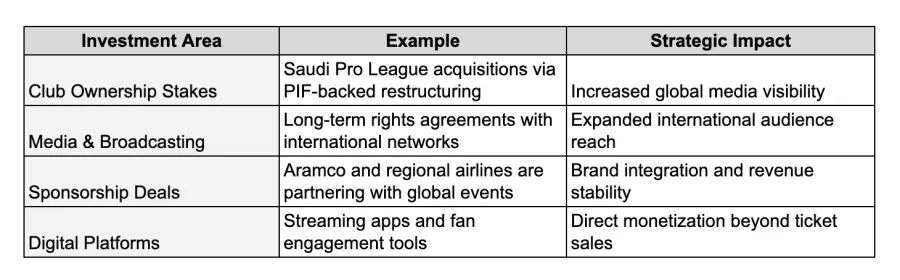
Private participation diversifies funding streams. It also forces performance transparency because investors demand returns measured in viewership, sponsorship value, and competitive output.
Event Hosting as Economic Multiplier
The investment in sports development creates tangible changes at the stadium level. However, developing a sustainable sporting ecosystem that supports long-term growth and development requires both investment and effective governance. The former provides the physical arena; the latter ensures it remains relevant. Accountability through transparency, financial management, and community access will be critical in determining if this current wave of investment leads to sustainable sport or simply a series of large-scale spectacles. Ultimately, the continued growth of Arab athletics will depend upon wise use of resources and not solely upon how quickly those resources are mobilized.
Regional Leagues and Competitive Standards
Attracting world-class talent is the most visible sign of investment. For example, many players have signed contracts to play in Saudi Arabia's professional soccer league, increasing speed and technique on the pitch. High wage structures attract experienced coaches and trainers from Europe, whose methods and practices shape the way teams train their athletes. As a result, training standards throughout the region improve.
In addition, improved conditions and increased funding reduce the number of talented athletes who leave their home countries to develop in other regions. Rather than losing promising young athletes early in their careers, clubs can develop them internally in competitive environments. Broadcasting improvements, such as HD broadcasting and analytical overlays, also bring regional competition up to par with international broadcasts. Competition among clubs drives performance improvement over time. Therefore, competitive density is what ultimately determines whether an infrastructure investment pays off by resulting in long-term successes on the continent versus one-time publicity stunts.
Governance and Long-Term Sustainability
Building arenas is the first step toward creating a successful sports development program. Building a sustainable program requires governance and leadership that allows for accountable decision-making. A key part of this process includes establishing transparent regulations, financial management systems, and accessible programs for youth. To avoid seeing money invested in sports development turn into just another form of entertainment, there must be checks and balances in place so that all stakeholders have a vested interest in maintaining the integrity of the sport.