
 BTC
BTC
 ETH
ETH
 LTC
LTC
 BCH
BCH
 DOGE
DOGE
 USDT
USDT
 DASH
DASH
 XRP
XRP
 USDC
USDC
 XMR
XMR
 TRX
TRX
 BNB
BNB
 SHIB
SHIB
 DAI
DAI
 ZEC
ZEC
 SOL
SOL
 ETC
ETC
 POL
POL
 XLM
XLM
 ADA
ADA
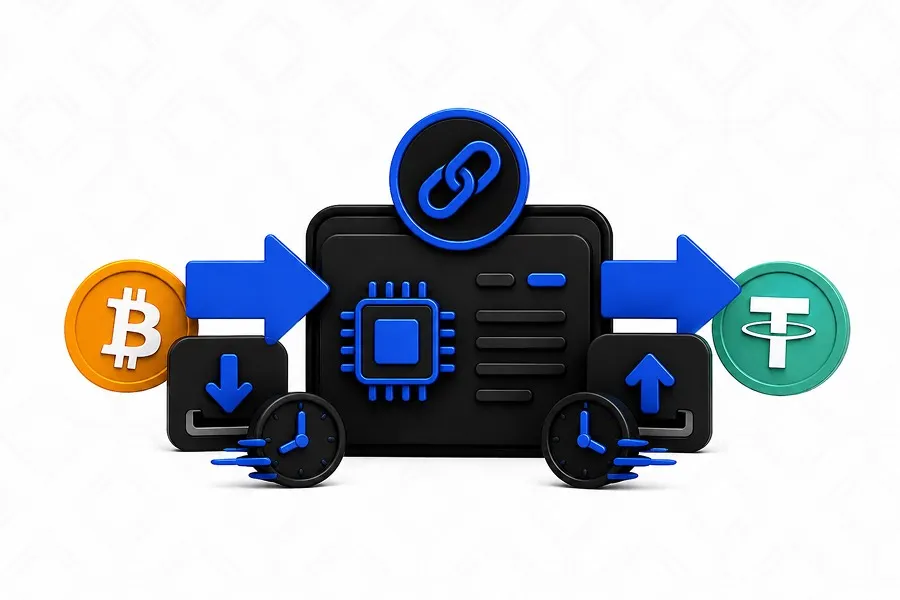
Anyone who has spent time browsing a crypto spending directory knows the gaming category has grown into one of the busiest corners of the whole list. People aren't just holding coins anymore — they're moving them, and a big share of that movement happens around digital entertainment.
What used to be a slow, clunky process of funding an account and waiting days to cash out has quietly turned into something that feels almost instant. The engine behind that shift is the crypto payment gateway, the unglamorous bit of plumbing that decides whether a deposit lands in seconds or sits in limbo.
That speed is exactly why so many people now sort their options by how fast money actually moves. Comprehensive guides to the best bitcoin casinos rank sites on the things that matter to a coin holder: quick crypto cash-outs, generous welcome bonuses, strong privacy features, and provably fair games where the outcome can be checked on-chain. Those 2026 rankings also break down options by region for players in the US, Canada, and Australia, and pair the lists with hands-on reviews of the top sites. For someone trying to figure out where their Bitcoin or stablecoins will be treated well, that kind of side-by-side comparison saves a lot of trial and error.
What a Payment Gateway Actually Does
Strip away the jargon and a crypto payment gateway is a translator. It sits between a player's wallet and a gaming site, confirming that a transaction is real, routing it to the right address, and signaling back that the funds have cleared. When someone sends Bitcoin or USDT to fund an account, the gateway watches the blockchain for confirmations and tells the site the moment everything checks out.
The reason this matters for everyday spending is simple. A gateway that handles confirmations smartly can credit a deposit almost immediately instead of forcing the player to stare at a pending screen. On the way out, a well-built gateway batches and signs withdrawals efficiently, so the coins land back in the wallet without an overnight delay. The difference between a five-second deposit and a forty-minute wait usually comes down to how the gateway is engineered, not the coin itself.
Why Bitcoin's Base Layer Needed Help
Bitcoin was never designed to settle a small wager in the blink of an eye. Its base layer prizes security over speed, which means confirmations can take ten minutes or more and fees climb when the network gets busy. For a quick session of slots or a hand of poker, that lag is a dealbreaker. Nobody wants to pay a hefty fee just to top up a modest balance.
This is where second-layer technology entered the picture. The Lightning Network was built to let small Bitcoin transactions zip through off-chain, settling instantly and cheaply while still anchoring to the main chain for security. A detailed review of the Lightning Network's evolution traces how it grew from an idea into working infrastructure, covering the applications it unlocked and the technical hurdles it still faces. For gaming sites, Lightning turned Bitcoin from a slow store of value into something usable for the rapid back-and-forth of deposits and cash-outs.
Stablecoins and the Speed Race
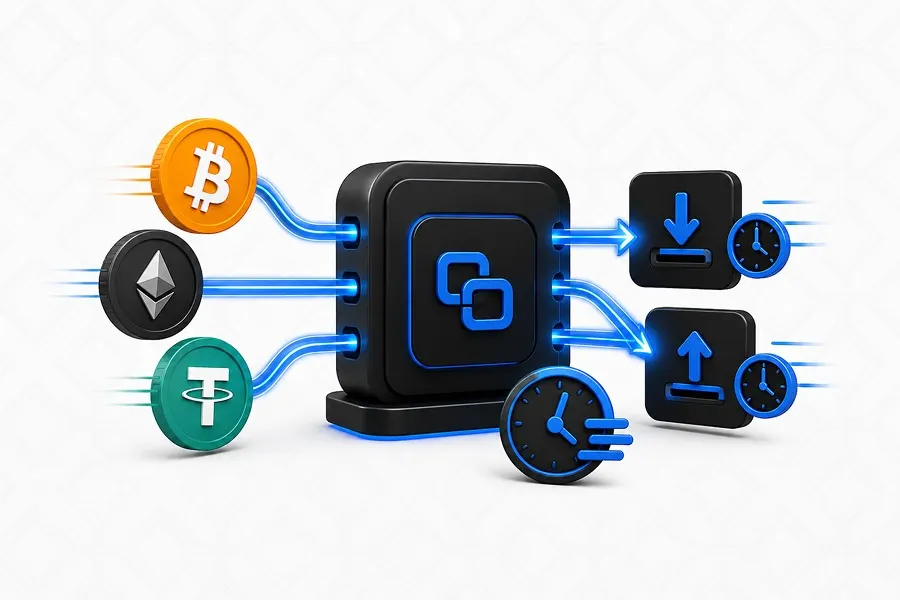
Not every fast deposit runs on Bitcoin. A huge slice of crypto gaming traffic now flows through stablecoins like USDT and USDC, often on networks built for throughput, such as Tron or various low-fee chains. These coins sidestep price swings, so a player who deposits the equivalent of a hundred dollars knows it will still be worth a hundred dollars an hour later. The gateway handles the routing, and the value stays put.
That stability changes how people approach their downtime. Someone who wants to unwind for an evening can move funds in and out without doing mental math about exchange rates. The gateway confirms the stablecoin transfer in seconds, the balance updates, and the session begins. When the night wraps up, the same rails carry the balance back home just as quickly.
Lightning at Scale: What the Data Shows
Speed claims are easy to make and harder to prove, which is why researchers have started measuring how these networks behave under real conditions. A well-known measurement study of Bitcoin Lightning mapped out how payment channels connect, how reliably routes find a path, and where bottlenecks appear when traffic spikes. The findings matter to anyone counting on instant transfers, because a network that works in a lab can still stumble when thousands of people push money through it at once.
For the gaming side, those insights help builders design gateways that pick efficient routes and avoid failed payments. The result a player notices is mundane in the best way: a withdrawal that simply works, every time, without a second thought.
What It Means for the Way People Spend Free Time
Put all of this together and a clear picture emerges. The friction that once kept casual crypto holders away from digital entertainment has mostly dissolved. A deposit that clears instantly and a cash-out that lands in minutes turn an occasional curiosity into a relaxed, repeatable habit — the crypto equivalent of grabbing a coffee on the way out.
It also nudges people toward sites that take privacy and fairness seriously, since the same gateways that move money fast often pair with provably fair games and minimal data collection. For the directory-browsing crowd, the lesson is practical: the coin in the wallet matters less than the rails it rides on. When those rails are fast, spending free time online stops feeling like a transaction and starts feeling like entertainment.
