
 BTC
BTC
 ETH
ETH
 LTC
LTC
 BCH
BCH
 DOGE
DOGE
 USDT
USDT
 DASH
DASH
 XRP
XRP
 USDC
USDC
 XMR
XMR
 TRX
TRX
 BNB
BNB
 SHIB
SHIB
 DAI
DAI
 ZEC
ZEC
 SOL
SOL
 ETC
ETC
 POL
POL
 XLM
XLM
 ADA
ADA

In today’s data-rich landscape, data analytics is a priceless tool for businesspersons seeking to make data-driven decisions. This is why more and more companies are turning to BI reporting solutions to make the most of their data.
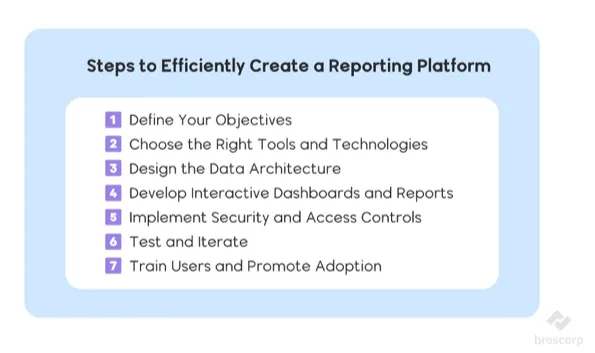
Yet, installing new software always carries the risk of encountering unforeseen challenges. But don’t be discouraged – with the right advice, you can position your business for success by making a reporting platform. Read on to find out the essential steps to ensure the successful deployment of your reporting tool, from the very beginning to finish.
What is a BI Reporting Tool?
Before moving on to the steps for developing a reporting solution, let’s first determine what BI reporting software is. In brief, this software application is designed to assist entities in gathering, storing, and analyzing data. Techies usually offer data-powered apps as all-in-one solutions. For example, Broscorp, a data-driven application development company, offers creating analytics tools “from BI to AI” – such software helps organizations unlock actionable insights, enhance operations, and make data-driven decisions. As a result, companies benefit from boosted efficiency, innovation, and overall success. Now that you know what reporting tools are and what they do, let’s consider how to design and build a reporting platform.
Understanding User Needs
Your reporting solution should align with the needs and expectations of stakeholders, including executives, managers, analysts, customers, and partners. It is important to learn who they are, their specific data requirements, preferred methods of access, and feedback mechanisms.
Also, you must set clear objectives for your platform, turning your idea into a value.
Key considerations should encompass:
- supporting multiple data sources;
- simplifying report design;
- offering flexible report delivery;
- facilitating customization; and
- ensuring operational and maintenance convenience.
Choosing the Right Technology Stack
Choosing the right tech stack is one of the most vital steps in successfully developing a reporting platform. Here’s what you need to pay attention to.
Evaluating Different Technologies
Numerous custom reporting tools can fulfill specific requirements when building a reporting platform. You can reach sufficient scalability in your tool using Python and custom Java development. Let’s consider some examples:
- Apache Spark, Apache Flink, and Kafka are best for creating complex ETL pipelines;
- With Power BI, Tableau, and Looker, you can develop bespoke BI solutions;
- AWS, GCP, and Azure will assist in migrating legacy code to the cloud and building complex serverless applications.
Pros and Cons of Popular Reporting Tools
It is also important to analyze existing reporting tools and define their benefits and drawbacks to make a comprehensive solution for your business. Power BI, for instance, is praised for its user-friendly interface and robust data visualization capabilities but may require a Microsoft-centric environment. Meanwhile, open-source tools like Apache Superset provide flexibility and cost-effectiveness but may need extra customization.
Integration with Existing Systems
When you plan to build the reporting platform, ensure that your tool can integrate with systems, databases, and data sources that you already have. This ensures smooth data flow and boosts overall data management and reporting efficiency.
Designing the Reporting Platform
Once you’ve determined the requirements for your application, the next step is to design the software itself. Let’s get into the details of this “building” stage.
User Interface and Experience (UI/UX)
Once you define the data analytics platform requirements, it’s time for the software architect to design the reporting platform architecture while UI/UX designers create the interface.
Designing for Scalability and Performance
Some things to keep in mind when developing a good reporting platform include:
- determining and integrating data sources;
- ensuring data quality; and
- data warehousing and ETL processes.
Ensuring Data Security and Compliance
Data security is of the essence when creating a reporting platform. For a safe experience with data, it's best to implement the following:
- data privacy and compliance; and
- role-based access controls (RBAC).
Let’s take a closer look. You need to thoroughly assess data handling practices, identify sensitive data, and use encryption techniques to secure data at rest and in transit.
Developing the Reporting Platform
The next step is the development process. You’ll have to deal with shaping the development environment at this stage.
Setting Up the Development Environment
This phase lays the foundation for building a reporting platform. Here’s what to consider:
- infrastructure planning;
- version control;
- environment configuration.
Key Development Phases and Milestones
The development of a reporting platform typically involves these key phases:
- design and architecture;
- prototyping and proof of concept;
- coding and implementation
- unit testing;
- integration testing;
- system testing;
- deployment preparation;
- deployment and launch; and
- post-launch support and maintenance.
Best Practices for Coding and Testing
No matter how well you plan your software, there’s always a risk that issues will arise during its deployment. To prevent them, best practices should be used for development. They include:
- Designing modular components that facilitate scalability. For better flexibility, use SOLID principles.
- Conducting regular code reviews to identify potential issues.
- Implementing automated testing frameworks (CI/CD) for unit/integration/regression testing.
- Optimizing query performance by indexing databases and implementing efficient data retrieval algorithms.
- Incorporating input validation, and parameterized queries to prevent SQL injection as well as encryption of private data.
Implementing Data Management and Analytics
After coding, it is essential to ensure the application successfully implements data management and analytics. Although we’ve already discussed it in previous paragraphs, let's summarize this process.
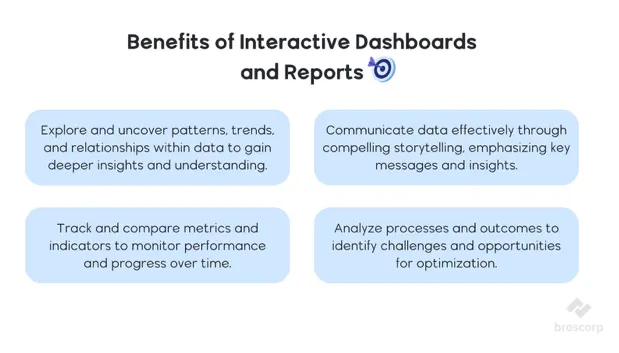
Data integration requires connecting databases, APIs, and CRM systems, followed by ETL processes. To optimize scalability, you must select data storage solutions, whether SQL/NoSQL databases or data lakes. Facilitating efficient querying is achievable via employing techniques such as star schemas. Last but not least, developing interactive dashboards will allow users to create a custom report and explore data through drill-downs and filters.
Deploying the Platform
One more step is the application deployment. It involves transitioning from development to a live production environment, ensuring the system is stable, secure, and functional for end-users. Deployment tasks include configuring servers, launching certain software components, and transferring data from staging to production environments. This phase also involves setting up monitoring tools to track system health, performance metrics, and user interactions post-deployment.
Maintaining and Upgrading the Platform
Deployment is not actually the last stage in creating the platform; once the tool is ready you need to maintain and upgrade it constantly. This refers to monitoring system health, applying security patches, and optimizing database performance. Also, you need to check for strategic upgrades as they integrate tech advancements and expand functionality to support growing data volumes and new analytical requirements.
Come Back to Key Points
Developing a good reporting platform may seem challenging at first, but it can be a smooth process with strategic planning. Begin by creating a detailed implementation plan outlining tasks and assigning responsibilities to team members. Allocate sufficient resources and establish a clear rollout schedule. After successful implementation, conduct a thorough audit and gather user feedback to estimate effectiveness and identify areas for improvement. Thus, following these simple tips, you can ensure an efficient development of a reporting solution.
