
 BTC
BTC
 ETH
ETH
 LTC
LTC
 BCH
BCH
 DOGE
DOGE
 USDT
USDT
 DASH
DASH
 XRP
XRP
 USDC
USDC
 XMR
XMR
 BNB
BNB
 TRX
TRX
 SHIB
SHIB
 DAI
DAI
 ZEC
ZEC
 SOL
SOL
 ETC
ETC
 POL
POL
 XLM
XLM
 ADA
ADA

For years, cryptocurrency felt tied to a specific world. People associated it with trading platforms, investment forums, tech communities, and online businesses experimenting with new forms of payment. Most everyday services remained untouched by it. A person could buy digital assets from their phone yet still pull out a debit card when paying for something as ordinary as a local appointment.
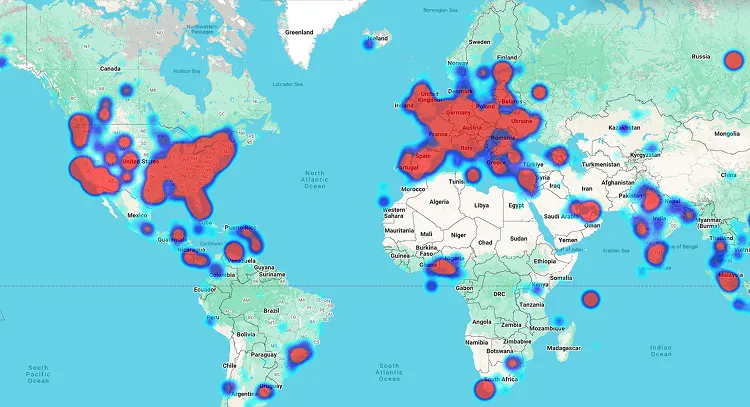
That separation is starting to fade. While crypto is far from replacing traditional payment systems, it is quietly appearing in places that would have seemed unlikely a few years ago. Small businesses, independent professionals, wellness providers, and specialty clinics are becoming more open to alternative payment options as digital finance becomes part of everyday life. The shift says less about technology itself and more about changing consumer expectations. People increasingly want flexibility in how they pay, especially when managing services that play a long-term role in their lives.
Local Services Are Becoming More Digitally Flexible
One reason crypto payments are reaching local services is that consumers have grown accustomed to handling more of their lives online. Scheduling appointments, signing forms, attending virtual consultations, and managing subscriptions now happen through digital platforms that would have felt unusual not long ago.
As businesses adapt to these habits, payment systems naturally evolve alongside them. Consumers expect convenience. They want fewer obstacles between deciding to use a service and actually accessing it. Alternative payment options fit into that broader shift toward flexibility.
Small businesses are particularly responsive because they often adjust more quickly than larger organizations. Independent providers can experiment with new systems without navigating layers of corporate approval. In some cases, accepting crypto is less about attracting technology enthusiasts and more about offering another practical option for clients who already use digital assets in other parts of their lives.
Health and Wellness Services Are Seeing New Demand
Wellness services have experienced major changes over the past decade. More people are seeking personalized support rather than waiting until a serious health concern forces action. Nutrition, preventative care, and long-term lifestyle planning have become increasingly important parts of everyday healthcare decisions.
That trend has expanded the number of people working with specialists outside traditional hospital settings. If you are looking for nutrition counseling in Miami you may prioritize accessibility, convenience, and communication just as much as location. Digital scheduling, virtual appointments, and flexible payment options all contribute to a smoother experience for people managing busy schedules.
As these services become more integrated into everyday life, providers are paying closer attention to how clients prefer to interact with them. Payment flexibility becomes part of the overall experience rather than a separate consideration.

Convenience Matters More Than Technology
Much of the public conversation around crypto focuses on technology. Blockchain systems, decentralized networks, and digital wallets receive most of the attention. Yet consumers are usually motivated by something much simpler: convenience.
People rarely choose a payment method because they are fascinated by the underlying infrastructure. They choose it because it feels easy, familiar, or useful. The same principle applies whether someone is paying with cash, a credit card, a mobile app, or cryptocurrency.
Businesses recognize this reality. The providers exploring alternative payments are usually responding to customer preferences rather than trying to make a technological statement. If enough clients ask for more flexibility, businesses tend to consider offering it. In that sense, the growth of crypto payments reflects broader consumer behavior rather than a sudden transformation in how local services operate.
Specialized Clinics Are Adapting to Modern Expectations
The healthcare and wellness industries have become increasingly specialized. Instead of relying on one provider for every concern, people often work with professionals who focus on specific areas of expertise.
Speech therapy is one example. Families and individuals seeking support are often looking for providers who understand particular communication challenges and can deliver personalized guidance. The experience extends beyond treatment itself. Scheduling, communication, accessibility, and convenience all influence how people evaluate a service.
Someone researching a speech therapist is typically focused on expertise and support, but practical considerations also matter. Modern consumers expect businesses to meet them where they are, whether that means virtual services, online scheduling, flexible communication channels, or broader payment options. The businesses adapting successfully tend to understand that convenience shapes perception just as much as professional expertise.
Trust Remains the Most Important Factor
Whenever new payment systems appear, questions about trust follow. People want reassurance that their information is secure, transactions are reliable, and businesses are operating responsibly.
This is particularly important for local services because relationships play a larger role than they do in many online transactions. Clients often work with providers over extended periods of time. Trust is built through communication, consistency, and positive experiences rather than technology alone.
The businesses successfully adopting new payment options are usually the ones that treat those systems as additions rather than replacements. They provide flexibility without forcing customers into unfamiliar processes. The goal is to expand choices rather than limit them.
For most consumers, confidence in the service itself remains far more important than the specific payment method being used.

Digital Payments Are Becoming Part of Everyday Life
The gradual spread of crypto payments into local services reflects a larger pattern. Technologies tend to feel disruptive when they first appear, but over time they become ordinary. Online booking once felt unusual. Mobile banking felt unfamiliar. Digital consultations seemed unnecessary to many people before becoming routine.
Alternative payment systems are following a similar path. They are moving beyond technology-focused communities and entering everyday environments where convenience matters more than innovation.
The most interesting part of this shift is not the technology itself. It is the way local businesses continue adapting to changing expectations. Whether someone is visiting a wellness provider, working with a specialist, or managing ongoing services, flexibility has become part of what people expect from modern businesses. Payment options are simply one more piece of that evolving experience.