
 BTC
BTC
 ETH
ETH
 LTC
LTC
 BCH
BCH
 DOGE
DOGE
 USDT
USDT
 DASH
DASH
 XRP
XRP
 USDC
USDC
 XMR
XMR
 BNB
BNB
 TRX
TRX
 SHIB
SHIB
 DAI
DAI
 ZEC
ZEC
 SOL
SOL
 ETC
ETC
 POL
POL
 XLM
XLM
 ADA
ADA

For years, cryptocurrency was seen as something mainly used by tech enthusiasts and early adopters. That perception is now shifting. Several industries are beginning to view cryptocurrency less as a speculative asset and more as a valid form of payment. This change reflects a growing recognition that digital currencies can address practical payment challenges that traditional financial systems struggle to address efficiently.
This isn’t about future possibilities. These are transactions occurring today. Real businesses are accepting Bitcoin, Ethereum, and stablecoins from real customers.
Online Gambling and Casino Platforms Lead the Pack
The online gambling industry recognized crypto’s potential early and became one of the first to use it at scale.
This makes practical sense. Gambling already navigates complex regulatory environments across different jurisdictions, making crypto’s borderless nature particularly advantageous. Traditional payment methods present significant challenges: bank transfers require 3-5 business days for withdrawal processing, while credit card companies frequently decline gambling transactions outright. Cryptocurrency addresses both issues effectively.
Privacy represents another significant benefit for many players. At gambling sites without verification requirements, such as the best ones in this list, crypto transactions maintain anonymity by not linking to personal information. All payments are processed securely on the blockchain, with cryptocurrency casino payments completing within minutes. This combination of blockchain-based methods and no-KYC verification means players receive winnings faster than at most traditional casinos.
For an industry built on instant gratification, the combination of borderless payments and privacy matters significantly. Players can deposit, play, and withdraw their winnings, all within the same hour if they want.
E-Commerce Merchants Expand Payment Options
E-commerce groups were slow to add crypto at first, yet the number of retailers accepting it has kept growing.
Large retailers such as Overstock and Newegg have accepted cryptocurrency for almost a decade. Shopify enabled hundreds of thousands of small businesses to accept Bitcoin. Square’s expansion of Bitcoin payments to 4 million merchants worldwide shows how the shift from niche to mainstream is steadily taking place.
The financial reasoning is clear. Credit card processors charge 2 to 3 percent per transaction, while many crypto payment processors offer lower fees, especially when using stablecoins or Lightning Network transactions.
International commerce also benefits. A shop in Prague can sell to customers in Manila without currency conversion issues or multiple processor charges. Payments move quickly, making it easier for merchants to serve buyers in different countries with fewer issues.
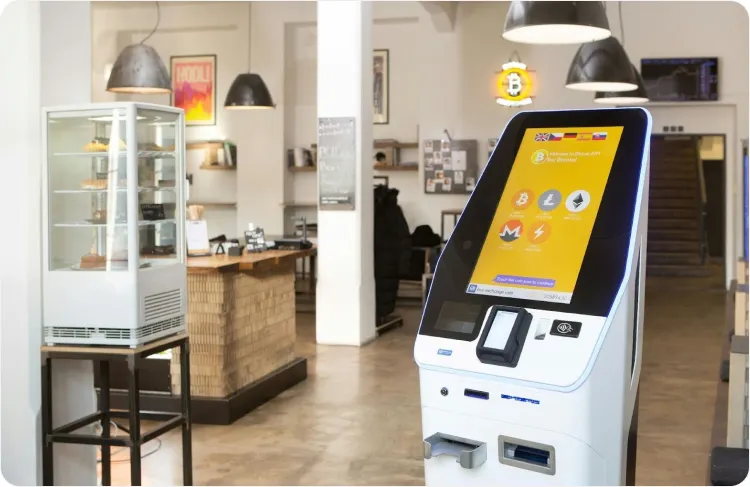
Travel and Hospitality Book with Digital Currency
Airlines, hotels, and travel agencies are increasingly accepting cryptocurrency.
Companies such as Travala and CheapAir operate platforms that allow customers to book flights, hotels, and rental cars using Bitcoin or Ethereum. The primary appeal is cross-border transaction simplicity.
Consider planning a trip from Toronto to Tokyo. Traditional banks charge foreign transaction fees, and credit cards add conversion costs. Cryptocurrency payments eliminate these expenses entirely.
Travel companies also avoid chargeback fraud. Once crypto payments clear on the blockchain, they’re final. No disputed transactions emerging months later from customers claiming services weren’t received.
Price volatility remains a concern. However, for businesses seeking relief from payment processor fees and international banking complications, cryptocurrency proves increasingly practical.
Technology Services and Freelance Markets Go Borderless
One in four businesses globally now pays some of its employees in cryptocurrency. This is especially common in technology and freelance employment, when teams collaborate across borders and payments must be processed quickly. Many startups and independent workers choose cryptocurrency payroll because it eliminates long wait times and the additional expenses associated with cross-border transactions.
Platforms like Bitwage let remote workers receive part or all of their pay in digital assets. VPN providers such as NordVPN and ProtonVPN take crypto as well. Even web hosting, domain registrars, and marketing agencies list it alongside their usual payment options.
The technology sector was among the first to use cryptocurrency in routine operations. Its workforce already understood the underlying systems, and ongoing delays and high costs in international payments made digital assets a practical alternative. Stablecoin transactions, in particular, offer faster settlement times and lower processing costs compared with many traditional cross-border payment methods.
As these payment tools spread across tech-focused services and remote work platforms, different categories of digital assets are redefining crypto’s future by meeting specific operational needs. Stablecoins, privacy coins like Zcash, and Bitcoin each offer distinct advantages, whether that is price stability, enhanced privacy, or broad acceptance. And in the gig economy, where timing and smooth payment workflows matter, a currency that moves fast without friction fits right in.
The Bottom Line
Industries using cryptocurrency have one thing in common: traditional payment methods slow them down.
High fees, long transfer times, and complicated international banking remain ongoing problems. Crypto addresses many of these issues more efficiently than older systems. This is not about hype. It is about whether the technology makes work easier and improves the user experience. In gambling, e-commerce, travel, and freelancing, the evidence points in the same direction: it does.
Critics who call crypto purely speculative overlook millions of daily transactions. The technology has moved well beyond theory. It is processing real payments and solving problems that traditional finance continues to face.
The future of payments is not approaching. It is already here, spreading where the benefits outweigh the implementation work.
