
 BTC
BTC
 ETH
ETH
 LTC
LTC
 BCH
BCH
 DOGE
DOGE
 USDT
USDT
 DASH
DASH
 XRP
XRP
 USDC
USDC
 XMR
XMR
 BNB
BNB
 TRX
TRX
 SHIB
SHIB
 DAI
DAI
 ZEC
ZEC
 SOL
SOL
 ETC
ETC
 POL
POL
 XLM
XLM
 ADA
ADA
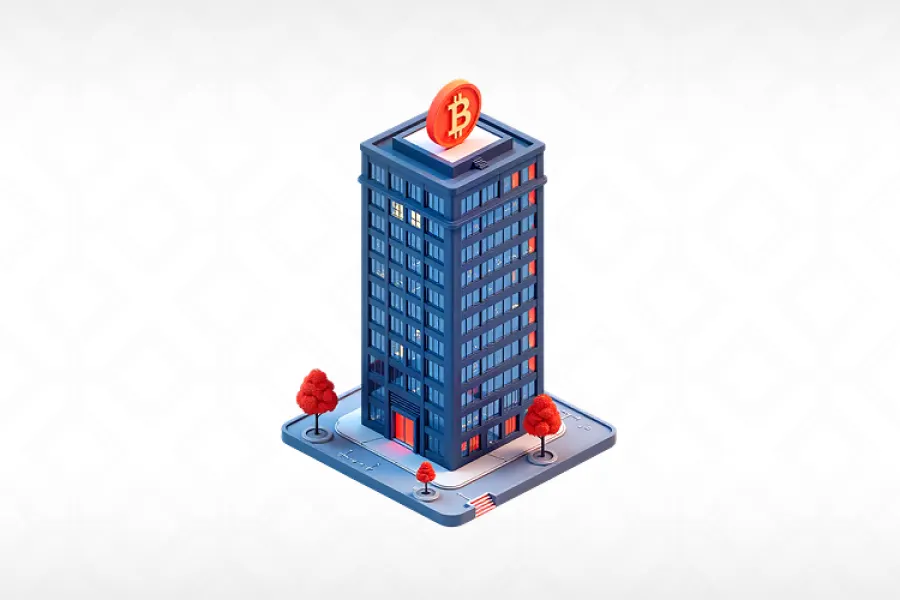
Family offices around the world, and especially across Asia and North America, have increasingly stepped into the role of pioneering investors in emerging asset classes, mainly digital ones. Traditionally focused on expanding wealth to sustain generations to come, family offices are now exploring innovative options like tokenized assets, cryptocurrencies, and blockchain-based investment products.
They’re able to invest in new technologies and further promote progress within targeted sectors thanks to their strategic flexibility and potential to hold onto investments for the long run. By 2025, however, digital coins like the first and best cryptocurrency, Bitcoin, and those that followed in its footsteps, including Ethereum, XRP, BNB, and Solana, are about to become a pivotal component of their investment strategies.
It's been enough since digital assets have stopped being considered just speculative investments, and become important parts of a mindfully created portfolio. The fast tech progress, inflationary burdens, geopolitical conflicts, and dropping trust in traditional financial institutions have all contributed to the systematic shift from more conventional investments to digital ones. Family offices are gaining confidence to diversify their portfolios with crypto, disregarding the risks involved, and engage with the Web3 ecosystem.
With this backdrop of an expanding crypto system and the consequent move from bonds, stocks, and other traditional choices to altcoins, stablecoins, meme coins, and so on, understanding how family offices relate to crypto can be of terrific help down the road if you plan to experiment with it, too. Ready to dive in?
First, let’s define the family office
Being responsible with wealth accumulated across generations is a complex endeavor that’s nothing like conventional investment strategies. For high-net-worth families, the battle splits into securing financial legacies and seeking out and leveraging growth opportunities, where a potent structure that can facilitate more responsibilities, from philanthropy to risk management and from investment to estate planning, is essential.
Family offices basically act as customizable wealth management venues that mix strategic anticipation with long-term vision for wealthy families, overseeing their assets and wealth. Instead of focusing on short-term profits, family offices work to preserve and increase wealth on clients’ behalf and ensure the value is transferred correctly across generations.
Two types of family offices
There are a few types of family offices, but the following two are generally the most common:
- Single Family Offices: as the name suggests, this type of office runs for a single family, being able to have $100MN or more under their scrutiny and using fully-customized operations depending on the employer’s investment ethos and goals.
- Multi-Family Offices: this one represents more families and presents more affordable but standardized services, generally managing between $10MN and $20MN.
Turning to crypto and blockchain assets
The wide spectrum of responsibilities these offices have, such as legal and tax planning, crypto purchasing and trading, real estate management, family planning, etc. may seem like a lot. But there are many such organizations out there; Deloitte has approximated the figure to stand at around 8,030 single-family offices worldwide last year. According to the market research heavyweight, the number might hit 10K by the end of the decade, marking a huge rise compared to previous years – mainly driven by the spiking popularity of customized wealth management and the growing interest in alternative investments.
Many family offices are increasingly interested in blending in tech novelties, such as digital and blockchain assets, into their investment strategies, adopting a forward-looking position that makes them frontrunners in modern wealth management.
The reasoning
A few critical factors are prompting office families’ move into crypto:
- The rising inflation and unstable currencies causing concerns today are boosting bullishness in crypto, now seen as an increasingly reliable store of value. Bitcoin is often compared to “digital gold”, serving as both a store of value and a potential hedge against inflation and currency devaluation, especially in regions financially incapacitated by capital controls or currency restrictions. Meanwhile, Ethereum, Solana, Ripple, and other blockchain projects present opportunities that leverage Web3’s growth, as well as the expansion of decentralized finance (DeFi) and asset tokenization.
- Diversification is one of the main reasons family offices are turning to crypto, which are now shifting from traditional asset classes like equities or hedge funds into non-correlated options in order to improve portfolio resilience. Rising inflation and lowering yields in these instruments have cast a shadow on the market, but crypto is decentralized and can’t be manipulated by governments or central banks, which is a big draw.
- Millennials and Gen Z heirs are more comfortable and familiar with technology, so they value decentralization, transparency, and purpose-driven investing more than previous generations. Virtual assets and digital payments are these generations’ first choices, so the leap to crypto feels intuitive. Many reports on family offices emphasize that digital assets are being integrated into portfolios in order to improve planning and boost generational influence.
- The cryptocurrency market continues to be one of the most volatile markets, and this instability opens room for hefty returns since family offices can move funds around and catch wide margins between investment and withdrawal prices. They have Defi protocols, ICOs, Web3 infrastructure, tokenized assets, etc., which can make gains over timeframes of 3 to 5 years or so – assuming the office uses super-rigid risk protection solutions.
Cryptos are being increasingly seen as worthy tools that preserve wealth during economic turbulence and give investors more freedom in asset management and transfer, and the list of reasons backing their popularity expands beyond this.
30% and more.
The news is that over three in ten family offices now have crypto in their client portfolios, with crypto making up a significant portion, and even 2-3% of the entire investment, in some instances. They’re now increasingly focused on stablecoins, altcoins, Bitcoin, Web3, and infrastructure projects, among others.
In the U.S. and Asia, crypto advances faster thanks to the improved investing infrastructure and more flexible directives, whereas in Europe, family offices that were, to date, cautious have started to warm up to these assets.