
 BTC
BTC
 ETH
ETH
 LTC
LTC
 BCH
BCH
 DOGE
DOGE
 USDT
USDT
 DASH
DASH
 XRP
XRP
 USDC
USDC
 XMR
XMR
 BNB
BNB
 TRX
TRX
 SHIB
SHIB
 DAI
DAI
 ZEC
ZEC
 SOL
SOL
 ETC
ETC
 POL
POL
 XLM
XLM
 ADA
ADA
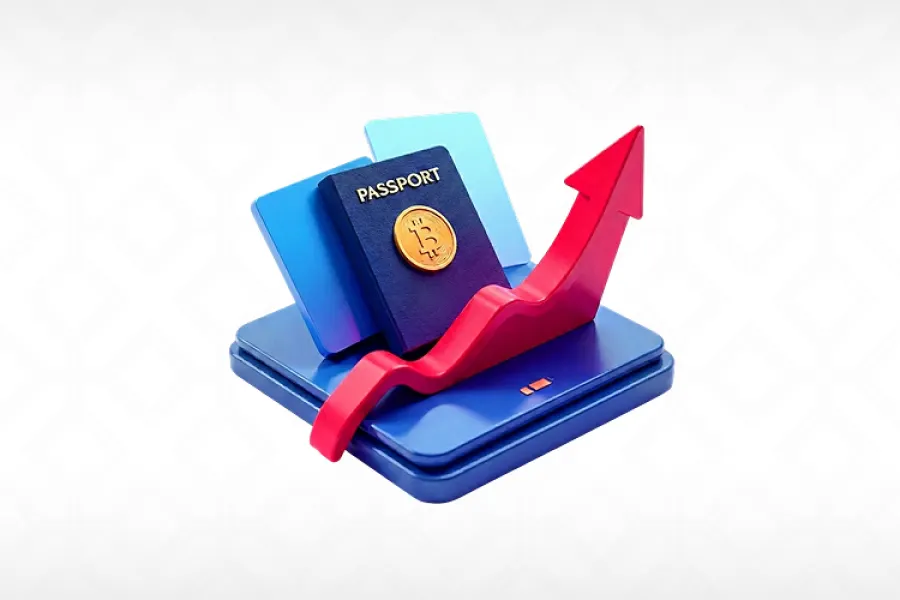
This article explores how Bitcoin and crypto payments are becoming more embedded in everyday financial activity through regulatory changes, government-led adoption initiatives, and growing consumer usage. It covers proposed tax relief for small Bitcoin transactions in the United States, El Salvador’s continued integration of Bitcoin into tourism infrastructure, and the rapid global growth of crypto card payments.
Together, these developments highlight the transition of cryptocurrencies from speculative assets toward practical payment tools.
Rhode Island Proposes Bitcoin Tax Exemption
In the U.S. state of Rhode Island, lawmakers have introduced a bill that would exempt certain Bitcoin transactions from state taxation. The proposal aims to remove both state income tax and capital gains tax on small Bitcoin transactions totaling up to $20,000 per year.
If passed, the legislation would effectively treat low-volume Bitcoin usage as everyday payments rather than taxable investment activity. Supporters argue that such a move could encourage practical crypto adoption, especially for retail purchases and peer-to-peer payments, while reducing administrative complexity for both users and tax authorities.
The initiative reflects a broader trend among U.S. states exploring more nuanced approaches to cryptocurrency taxation, particularly for small, non-speculative transactions.
El Salvador Introduces Bitcoin Passports for Tourists
El Salvador continues to expand its Bitcoin-based initiatives by issuing so-called Bitcoin passports to tourists visiting the country. While details remain limited, the program is designed to integrate visitors into the country’s Bitcoin-friendly infrastructure, reinforcing El Salvador’s positioning as a global hub for crypto adoption.
The initiative aligns with the country’s long-term strategy to promote Bitcoin usage not only among residents but also within its tourism sector. By offering crypto-oriented services to visitors, El Salvador aims to normalize digital asset usage in everyday economic activity.
Crypto Card Transactions Surge 106% Year Over Year
According to data from Artemis, transaction volumes linked to crypto payment cards have grown by 106% on average year over year. The total annual volume has now exceeded $18 billion, bringing crypto card usage close to the scale of peer-to-peer stablecoin transfers, which currently stand at approximately $19 billion.
This rapid growth highlights increasing demand for crypto-to-fiat payment bridges, particularly for everyday spending. Crypto cards allow users to spend digital assets seamlessly while merchants receive fiat, making them one of the most practical interfaces between blockchain assets and traditional commerce.
What This Signals for Crypto Adoption
Taken together, these developments point to a clear shift in how cryptocurrencies are being integrated into real-world financial systems. Tax relief for small Bitcoin payments, state-level adoption initiatives, and rising crypto card usage all suggest that digital assets are increasingly being treated as payment infrastructure, not just speculative instruments.
As regulators, governments, and payment providers refine their approaches, cryptocurrencies continue to move closer to mainstream financial use — especially in everyday transactions, tourism, and cross-border payments.
