
 BTC
BTC
 ETH
ETH
 LTC
LTC
 BCH
BCH
 DOGE
DOGE
 USDT
USDT
 DASH
DASH
 XRP
XRP
 USDC
USDC
 XMR
XMR
 BNB
BNB
 TRX
TRX
 SHIB
SHIB
 DAI
DAI
 ZEC
ZEC
 SOL
SOL
 ETC
ETC
 POL
POL
 XLM
XLM
 ADA
ADA
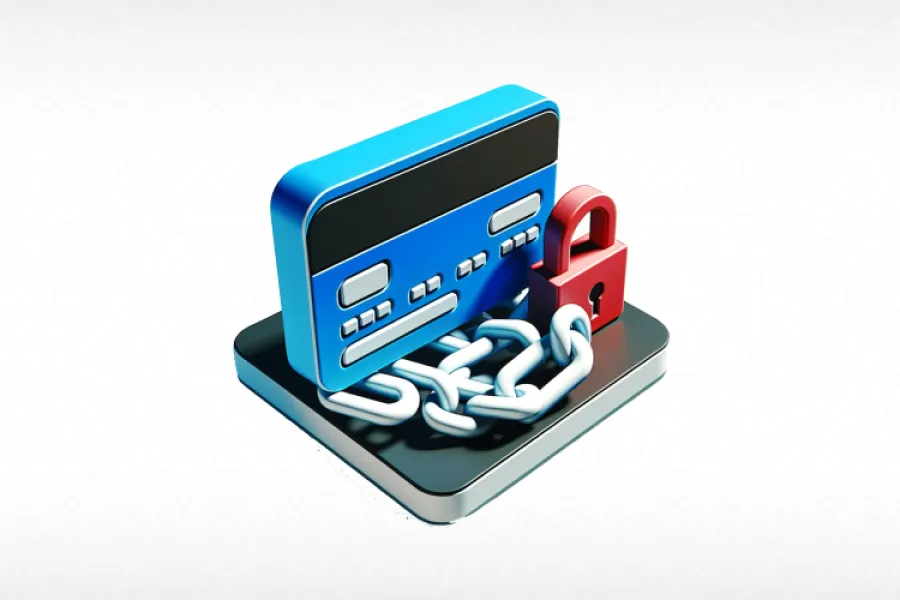
Credit card debt is a prevalent issue in modern society, affecting millions of individuals across various demographics. The ease and convenience of using borrowing solutions often lead people to accumulate obligations without realizing the long-term implications. This type of debt can significantly impact one’s financial stability, causing stress and anxiety that affects overall well-being.
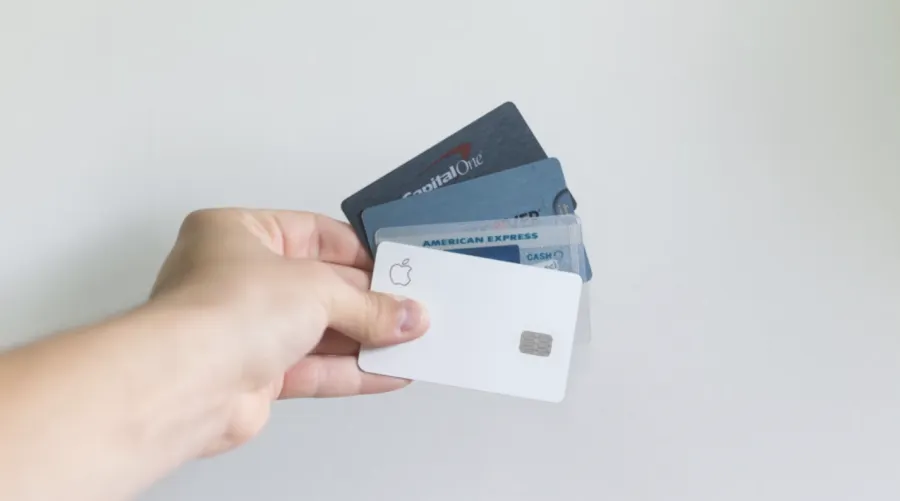
In this blog post, we will explore a range of strategies to help you avoid the pitfalls of credit card debt. For those already struggling, we’ll provide effective methods to regain financial control and eliminate liabilities. For further information and resources, you can also learn more about credit cards on dedicated educational portals.
The Essentials of Credit Card Debt
Credit card obligations refer to the outstanding balance that accumulates when purchases are made using a borrowing solution and not paid off in full by the due date. This debt is subject to interest charges, which can significantly increase the amount owed over time if not managed properly.
Common Causes of Accumulating Credit Card Debt:
- Overspending: Making purchases beyond one's means is a primary reason people fall into a revolving balance. This often happens during holidays, sales, or due to impulsive buying habits.
- Lack of Budgeting: Without a clear budget, it's easy to lose track of spending and accumulate debt.
- Unexpected Expenses: Emergencies, such as medical bills, car repairs, or sudden job loss, can lead to reliance on borrowing cards.
The Consequences of Credit Card Debt
Outstanding credit obligations can have both financial and personal repercussions, making it essential to understand their potential impact. Let us explore them in detail:
Financial Consequences:
- High Interest Rates: Credit cards often come with high interest rates, which can cause the debt to grow rapidly if only minimum payments are made.
- Fees: Late payment fees, over-limit fees, and other charges can add up, further exacerbating the obligation problem.
- Long-Term Debt: Persistent liabilities can take years to pay off, especially if only minimum payments are made. These long-term obligations are able to hinder financial goals and stability.
Personal Consequences:
- Stress and Anxiety: The burden of debt can cause significant stress and anxiety, affecting mental health and overall well-being.
- Impact on Credit Score: High levels of financial liability and missed payments can negatively impact your credit score, making it more difficult to obtain loans or other forms of borrowing in the future.
- Reduced Financial Flexibility: High debt levels limit your ability to save, invest, or make significant purchases, restricting economic freedom and opportunities.

How to Avoid Credit Card Debt
Use Credit Card Responsibly
To prevent accumulating debt, it’s crucial to use credit cards responsibly. This means only charging what you can afford to pay off in full each month. By doing so, you avoid interest charges and maintain control over your spending. Additionally, it’s wise to avoid using borrowing solutions for non-essential purchases. Reserving your card for necessary expenses and emergencies helps keep your debt manageable.
Create a Budget and Stick to It
A well-crafted budget allows you to track your income and expenses, ensuring you live within your means. Start by listing all sources of income and your monthly expenses, including rent, utilities, groceries, and entertainment. Identify essential expenses and prioritize them, allocating funds to cover these necessities before considering non-essential spending.
Establish spending limits for each category in your budget and be mindful of how much you allocate to discretionary spending. Ensure your budget includes payments for any existing credit card debt, and aim to pay more than the minimum payment to reduce your obligations faster.
Build an Emergency Fund
An emergency fund is a crucial buffer that can prevent you from relying on borrowing cards for unexpected expenses. To start and grow an emergency fund, begin by setting a goal for how much you need. A common recommendation is to save three to six months' worth of living expenses. Start small by setting aside a modest amount each month.
Understand Credit Card Terms and Conditions
To avoid unpleasant surprises, it’s essential to read and understand the fine print of your credit card agreement. Pay close attention to key terms such as interest rates, knowing the annual percentage rate (APR), and how it’s applied to your balance.
Be aware of any fees associated with your card, including late payment fees, annual fees, and over-limit fees. Understanding the grace period for your borrowing solution, which is the time you have to pay off your balance without incurring interest, is also crucial.
Use Credit Card Rewards Wisely
When utilized properly, credit card rewards schemes may be advantageous. Choose a bonus card that aligns with your spending habits and offers benefits you will use. It is advisable to pay off the entire amount every month to prevent incurring interest charges that may undermine the benefits. It’s important not to be tempted to overspend just to earn rewards. Stick to your budget and use your borrowing solution for planned purchases only.
How to Get Out of Credit Card Debt
Assess Your Debt Situation
The first step in getting out of a revolving balance is to thoroughly assess your current financial situation. Start by listing all your credit card debts along with their respective interest rates. This comprehensive overview will help you understand the full extent of your obligation and where your money is going.
Once you have a clear picture, prioritize your debts to determine which ones to pay off first. Typically, it’s advisable to tackle high-interest debts initially, as they accumulate interest faster and can cost you more in the long run.
Create a Debt Repayment Plan
After assessing your liabilities, the next step is to create a structured repayment plan. There are several debt repayment strategies, with the two most popular being the snowball and avalanche methods.
The snowball method involves paying off your smallest debts first, which can provide a psychological boost and a sense of accomplishment. In contrast, the avalanche method focuses on paying off debts with the highest interest rates first, which can save you money on interest over time.
Consolidate Credit Card Debt
Debt consolidation can be an effective way to manage multiple obligations. This process involves combining all your debts into a single payment, often with a lower interest rate. Options for consolidation include balance transfer cards, which offer low or zero interest rates for an introductory period, and personal loans, which typically have fixed interest rates and repayment terms.
Negotiate with Creditors
Engaging in negotiations with your creditors may offer some respite if you're having trouble making your payments. Make contact with your credit card firms and provide an explanation of your circumstances. Many creditors are willing to lower interest rates, waive fees, or set up a more manageable payment plan if you’re proactive and honest about your financial difficulties.
Increase Your Income
Boosting your income can accelerate your debt repayment process. Look for opportunities to earn extra money, such as taking on a side job, freelancing, or offering your skills and services on a part-time basis. Examples of income-generating activities include tutoring, pet sitting, freelance writing, graphic design, and ride-sharing. Use the additional income solely for obligation repayment to expedite the process and reduce your overall debt faster.
Cut Unnecessary Expenses
Another effective way to free up money for debt repayment is to cut unnecessary expenses from your budget. Review your spending habits and identify areas where you can reduce or eliminate costs. This might include dining out less frequently, canceling unused subscriptions, or finding more affordable alternatives for entertainment and daily necessities.
Seek Professional Help
If your debt situation feels overwhelming and unmanageable, seeking professional help can be a wise decision. Programs for debt management and counseling provide professional guidance and well-organized strategies to assist in getting back on track. A reputable counseling service can provide personalized guidance, negotiate with creditors on your behalf, and help you develop a sustainable financial plan.
Concluding Remarks
By implementing these strategies, you can effectively manage and eliminate credit card debt, paving the way for a more secure financial future. Proactive action now can result in long term financial security and peace of mind.