
 BTC
BTC
 ETH
ETH
 LTC
LTC
 BCH
BCH
 DOGE
DOGE
 USDT
USDT
 DASH
DASH
 XRP
XRP
 USDC
USDC
 XMR
XMR
 BNB
BNB
 TRX
TRX
 SHIB
SHIB
 DAI
DAI
 ZEC
ZEC
 SOL
SOL
 ETC
ETC
 POL
POL
 XLM
XLM
 ADA
ADA
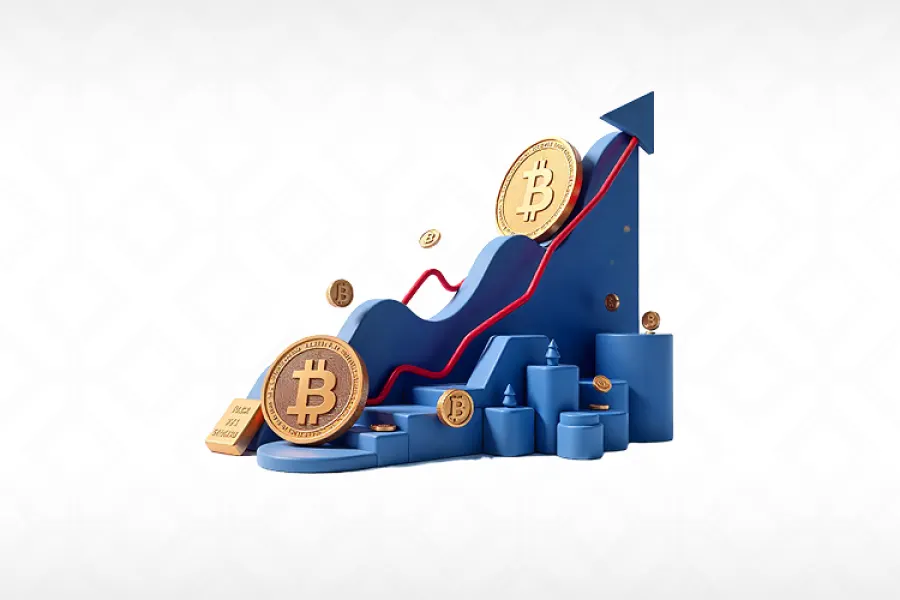
The crypto market is entering a phase marked by structural change rather than short-term speculation. Asset managers are reassessing Bitcoin’s long-term behavior, alternative forms of value preservation are gaining traction through gold-backed stablecoins, and retail participation in key markets is evolving.
Recent developments from Bitwise, the gold stablecoin sector, and the United Kingdom illustrate how crypto adoption is becoming more selective, institutional, and diversified.
Bitwise: Bitcoin May Break the Traditional Four-Year Cycle in 2026
Bitwise believes that Bitcoin is moving away from its historically predictable four-year cycle and could reach new all-time highs in 2026.
According to the firm’s outlook, the impact of halving events is gradually diminishing as the market matures. Bitcoin’s volatility has declined over time, and its correlation with equities is weakening.
With sustained capital inflows through spot Bitcoin ETFs and growing institutional demand, Bitcoin is increasingly viewed as a maturing asset class. In this context, Bitwise suggests that BTC may no longer follow the familiar post-halving boom-and-bust pattern that has defined previous cycles.
Gold-Backed Stablecoins Surpass $4 Billion in Market Capitalization
The market capitalization of gold-backed stablecoins has exceeded $4 billion, tripling since early 2025 when the sector stood at approximately $1.3 billion.
Tether’s XAUT has emerged as the dominant player, with a market capitalization of around $2.2 billion, representing roughly half of the entire segment. Paxos Gold (PAXG) follows with approximately $1.5 billion in circulation. Together, these two projects control nearly 90% of the gold-backed stablecoin market.
The growth highlights rising demand for tokenized commodities that combine the stability of physical assets with the flexibility and accessibility of blockchain-based settlement.
Crypto Ownership in the UK Declines Despite High Awareness
The share of cryptocurrency holders in the United Kingdom has fallen to 8% of the adult population, down from 12% the previous year.
Despite the decline in ownership, awareness of cryptocurrencies remains high, with more than 90% of adults familiar with digital assets.
The data suggests a shift toward more cautious participation, where fewer individuals actively hold crypto even as general knowledge remains widespread. This trend may reflect increased regulatory scrutiny, market consolidation, and a growing distinction between casual interest and long-term engagement.
Conclusion
Bitcoin’s potential departure from its traditional cycle, the rapid growth of gold-backed stablecoins, and declining retail ownership in the UK all point to a market in transition. Crypto adoption is becoming less about broad retail excitement and more about structural positioning, alternative value storage, and institutional involvement.
As the ecosystem matures, the focus appears to be shifting toward sustainability, diversification, and long-term utility — signaling a new stage in the evolution of digital assets.
