
 BTC
BTC
 ETH
ETH
 LTC
LTC
 BCH
BCH
 DOGE
DOGE
 USDT
USDT
 DASH
DASH
 XRP
XRP
 USDC
USDC
 XMR
XMR
 TRX
TRX
 BNB
BNB
 SHIB
SHIB
 DAI
DAI
 ZEC
ZEC
 SOL
SOL
 ETC
ETC
 POL
POL
 XLM
XLM
 ADA
ADA

RollX feels like a meeting point between two cultures. Bettors recognize clean odds, fast settlement, and clear receipts. Gamers recognize progression, crisp feedback, and a loop that invites mastery. Put them together, and you get a format that rewards quick decisions and still tells a small story every run.
A Platform Born from Two Worlds
Classic betting taught people to weigh risk against reward. Game design taught people to enjoy a path – tutorial, rising tension, payoff, reset. RollX borrows from both: the math stays honest, the framing feels playful, and the interface invites short, repeatable sessions you can pick up on a phone during a commute or wind-down.
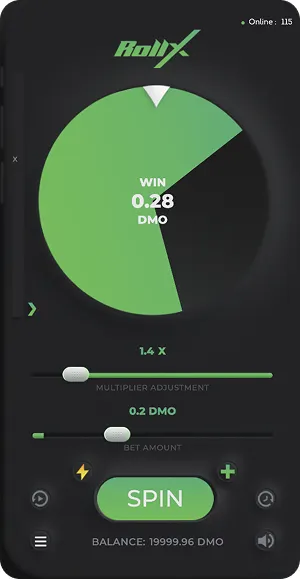
For a layout-level reference that shows levels, odds, and the tap-to-advance rhythm on one screen, the rollx game page is a tidy demo – use it to see how the structure is presented rather than as a prompt to play.
Mechanics That Resemble Gameplay
Round functions like a micro-level. Early taps feel safe; later taps stretch the gap between caution and ambition. The UI keeps decisions legible – progress markers stay in view, stake sliders preview outcomes, and the cash-out control never hides. You always know what the next tap means.
How a single run typically flows:
- Set a small stake and confirm with a one-screen preview.
- Advance a step – result animates in under a second with a clean audio tick.
- Choose: bank the current return or push for the next step.
- Exit with a receipt you can verify later in your wallet history.
This loop builds memory. Clearing three, five, and even steps in one go becomes a story you can tell, which is why people share clips and compare “personal bests”.
Community Identity in Web3 Culture
Web3 platforms grow around rooms, time slots, and shared rituals. RollX fits that pattern: short runs, public streaks, and chat that stays on-topic. Regulars gather around favorite hours and swap “went for one more” tales. Lightweight moderation, slow mode during spikes, and clear etiquette keep the chat readable on both mobile data and fiber.
Identity forms fast when progression is visible. Badges, seasonal ladders, and event windows let people show up with a purpose – compete, cooperate, or simply finish a daily streak before bed.
Incentives Beyond Payouts
Cash-out speed matters, yet recognition keeps people returning. Ranks, cosmetic badges, and a tidy profile timeline turn a string of runs into a track record. The best systems avoid noise: a few clean milestones, seasonal resets that feel fair, and opt-in leaderboards for those who enjoy public goals.
Social proof helps too. Short highlights, weekly round-ups, and verified receipts give friends something to point to when they explain “why this mode clicks for me”. The payout is the transaction; the achievement is the memory.
Technology as the Common Bridge
Blockchains give two assurances that suit both audiences. First, fairness – outcomes can be proven with on-chain or seed-based checks. Second, ownership – wallets act as bankrolls and identity, so moving in and out feels straightforward.
Quick fair-play checks before a session:
- Open the result-verification panel and confirm the seed or proof path matches the round.
- Review the transaction preview and final receipt – including stake, return, and fees itemized.
- Spot-check latency: round result to wallet update should feel snappy and consistent.
- If a seed reset is available, rotate it and verify the new hash is reflected.
These habits reduce support friction and build trust faster than any banner. When people can confirm the basics themselves, they relax into the run.
The Hybrid Future of Play
What RollX points to is a wider shift: entertainment that blends short, meaningful decisions with clear settlement. Bettors get the clarity they expect – visible odds, instant receipts, predictable flows. Gamers get the loop they enjoy – progression, tempo control, and stories worth sharing. Web3 gives both groups a common spine: portable wallets, verifiable logs, and communities that organize around events rather than static menus.
Expect a tighter design over time. Fewer pop-ups, more proof near the action. Animations tuned for human tempo – quick in, quick out, a breath before the choice. Event design that respects evenings and weekends, so sessions feel like meeting a friend rather than opening a spreadsheet. And always, the same first principle: keep decisions clear and exits easy.
That is why RollX draws two tribes to the same screen. It respects the math, keeps the show lean, and lets you own the pace. In a space where attention is scarce, that mix is enough to turn a tap into a tiny chapter – and a chapter into a habit.
